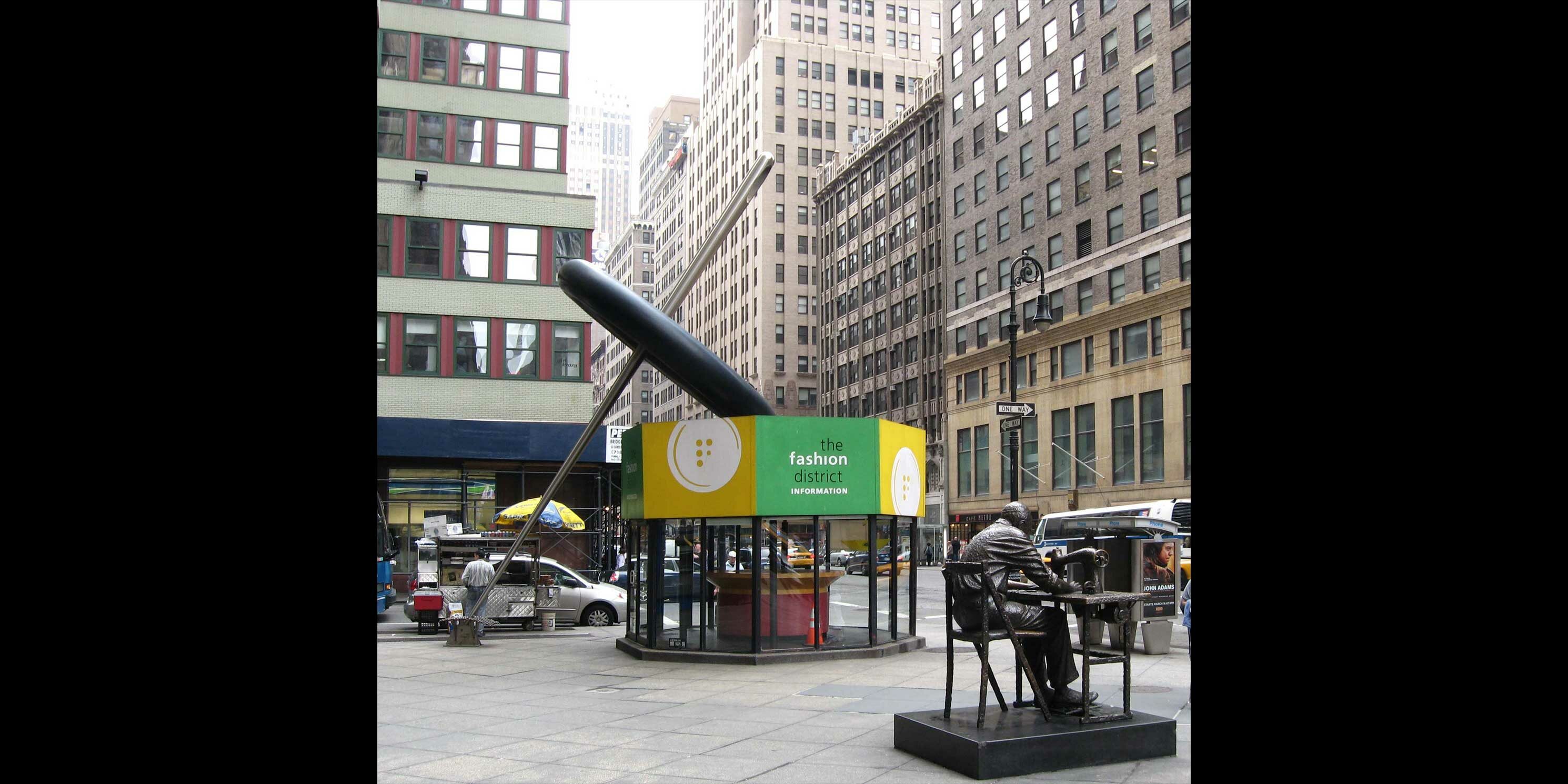
The fashion industry is an essential part of the economic and cultural vitality of New York City. In 2010 the industry accounted for 4.6% of the country’s total fashion employment. This is almost equal to finance, where NYC accounts for 5.6% of the nation’s financial services jobs; or media and entertainment, where 5.1% of the American jobs in that sector are located in NYC. But numbers are only one part of the story. As many researchers have documented the Garment District is one of the few remaining manufacturing and design clusters where young entrepreneurs can launch a company at the same time that a recent immigrant can put their skills to use and begin to climb the economic ladder.
Over the last year MAS has conducted case studies, gathered new data, interviewed dozens of experts, compiled other studies of the fashion industry, researched the history and explored a variety of policy recommendations. The recommendations outlined in our report flow from a careful recording of the history of the fashion industry, an examination of our competitors, and a thorough analysis of the competitive advantages of the Garment District.
These recommendations offer an agenda for a conversation that needs to continue to develop between the stakeholders. Ultimately lasting solutions for supporting the fashion industry and the Garment District will emerge from the creativity and energy of those that helped make NYC the fashion capital of the world. The costs of doing nothing are lost jobs, missed opportunities for strengthening a vital industry, and the erosion of a sector of the economy that inspires entrepreneurship and helps shape NYC’s identity.
Preface and Executive Summary
The history of New York City’s Garment District is about much more than clothing. What were the key factors that helped NYC become a fashion capital?
Historical perspective from the 1800s to 2010.
What is the fashion economy’s contribution to NYC? Why is the Garment District important? Who is working there?
Where is NYC positioned on the global landscape? What can we learn from our fashion colleagues?
What are the key strengths we need to build from?
What do we need to do to strengthen the fashion industry and the Garment District?
See pages 67 and 71 of the full report, respectively.
For more information on how MAS has been involved in the Garment District as well as links to related articles please see the lists below. We will continue to update our site with the progress of our work so check back soon for more on this important creative district.
Op-Eds and Editorials
Vin Cipolla in Crain’s, October 2010
Vin Cipolla in the Huffington Post, June 2010
Photographs by Giles Ashford.