LNP Presents: The Potential of the Public Realm
Presented by the Livable Neighborhoods Program
-
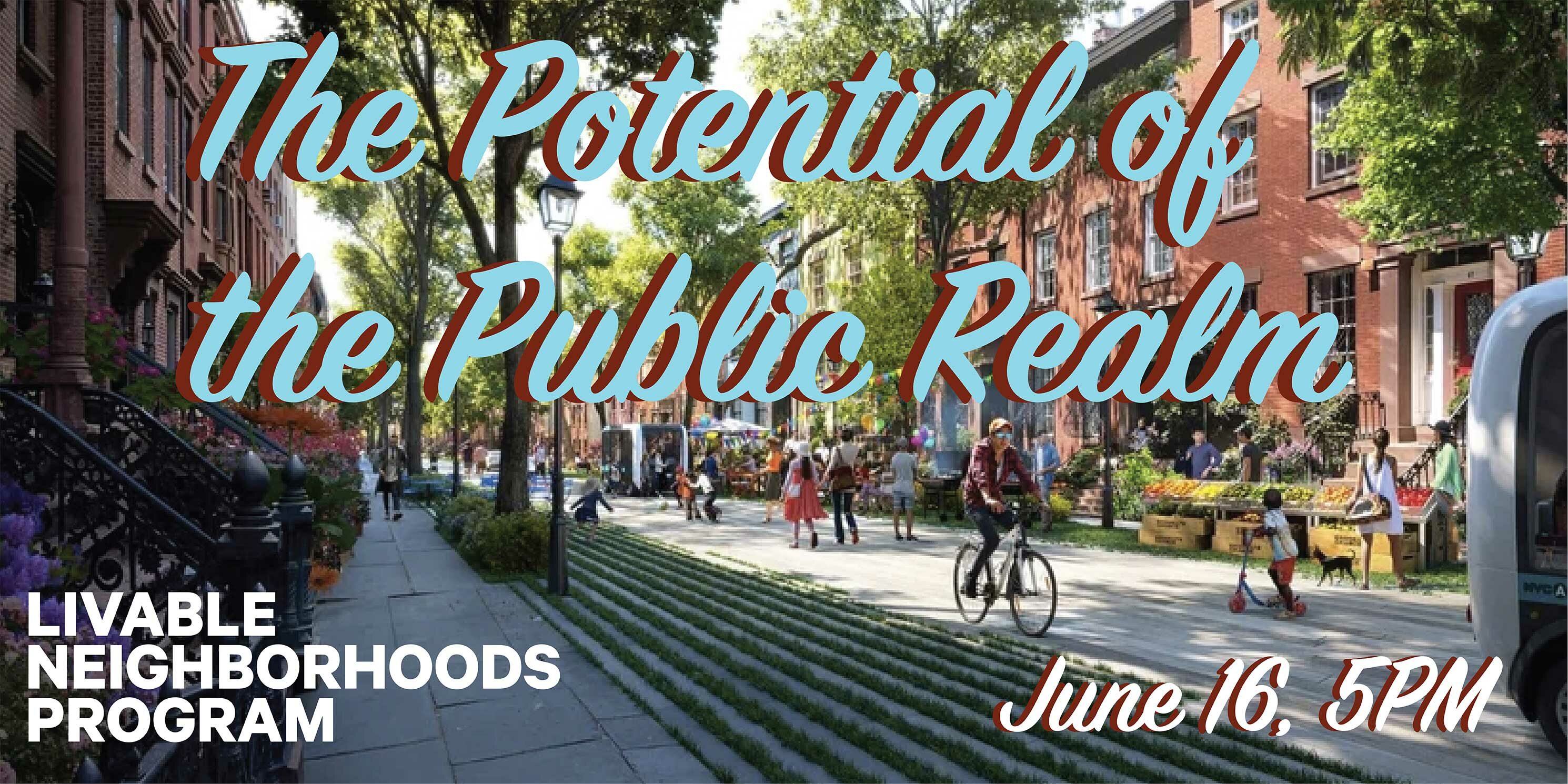 Photo: Kohn Pedersen Fox/Urban Design Forum, via Transportation Alternatives.photo 1 of 2
 -
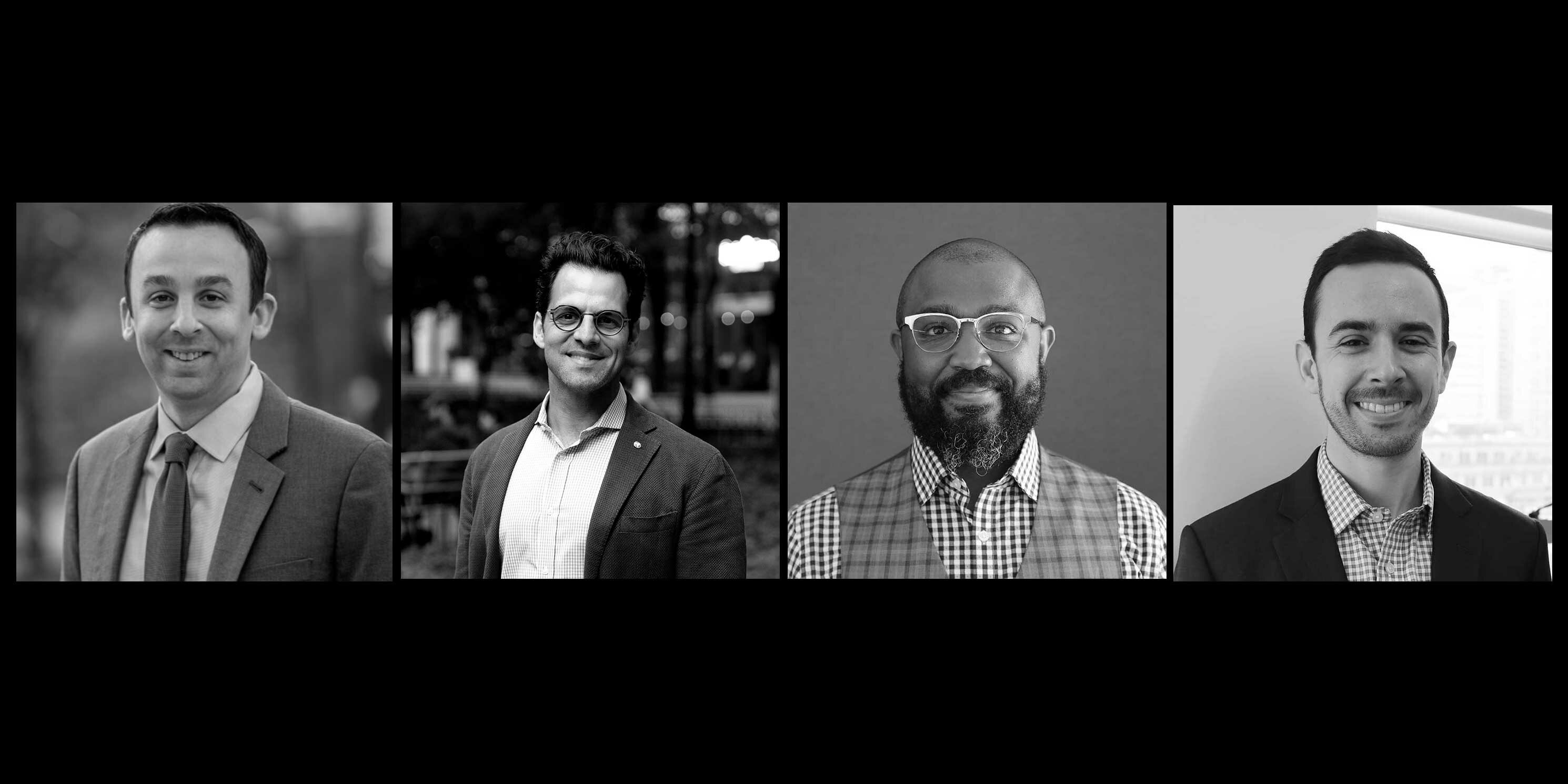 Speakers (from left to right): Council Member Keith Powers, New York City Council, District 4; Danny Harris, Executive Director, Transportation Alternatives; Spencer Williams, AICP, Assoc. AIA, Director of Advocacy, MAS; Stephen Albonesi, AICP, Senior Project Manager, MAS.photo 2 of 2
Speaker Bios
Council Member Keith Powers
New York City Council, District 4
Council Member Keith Powers represents New York City’s Council District 4, covering Carnegie Hill, Central Park South, Garment District, Koreatown, Midtown East, Midtown West, Murray Hill, Peter Cooper Village and Stuyvesant Town, Sutton Place, Times Square, Tudor City, Turtle Bay, Upper East Side, and Waterside Plaza. In his time in office, Council Member Powers has introduced and passed legislation to make it easier to run for office, prevent tenants from unlawful eviction, broaden sexual harassment protections, and protect small businesses. Council Member Powers graduated from the University of Dayton and The CUNY Graduate Center. He is a lifelong New Yorker and third-generation resident in Peter Cooper Village and Stuyvesant Town.
Stephen Albonesi, AICP
Senior Project Manager, Municipal Art Society of New York
Stephen Albonesi, AICP is the Senior Project Manager at MAS and a member of the American Institute of Certified Planners (AICP). Before MAS, he was an Urban Planning Analyst at Localize.city, where he helped launch the startup’s expansion into New York. He previously served as Senior Consultant at Appleseed, working on economic development and transportation planning projects across the city. He is a certified planner who holds a Master of City & Regional Planning degree from Rutgers University and B.S. in Development Sociology from Cornell University. Stephen is passionate about fostering urban environments that are technologically innovative, environmentally sustainable, and evoke a strong sense of place. He currently resides in Astoria.
Danny Harris
Executive Director, Transportation Alternatives
Danny Harris is Executive Director of Transportation Alternatives, New York City’s primary walking, biking and safe streets advocacy group. He is a leading voice in building cities for people, not cars. Previously, he spent four years as a program director with the Knight Foundation in San Jose, CA, where he supervised grantmaking related to placemaking, transportation, and affordable housing. Danny has taught at San Jose State University, was named a Vanguard Fellow by Next City, and received a citation from the American Institute of Architects. A graduate of Connecticut College and Princeton University, Danny is a native New Yorker and currently resides in Manhattan with his family.
Spencer Williams, AICP, Assoc. AIA, Opening Remarks
Director of Advocacy, Municipal Art Society of New York
Spencer Williams is the Director of Advocacy at MAS. Before joining MAS, he worked on growth management and equity planning in the Northwest, working to advance 20-minute neighborhoods as part of a healthy, connected city as a member of the City of Portland’s Urban Design Studio. He also supported the City of Seattle’s Housing Affordability and Livability Agenda as an advocate, City Planning Commissioner, and Council Staff. At MAS, Spencer heads up the Livable Neighborhoods Program (LNP), which helps local leaders in under-resourced communities develop the knowledge and tools that they need to participate effectively in public land use review processes and engage in creative, community-based design and planning. He is a certified planner who holds a Master of Urban & Regional Planning degree from Portland State University and B.F.A. in Architecture from Savannah College of Art and Design. He currently resides in Brooklyn.
Supporters


Related News + Reports