History
Celebrating 130 years of advocacy on behalf of New York and New Yorkers.
The Municipal Art Society Is Founded
The Municipal Art Society (MAS) is established on March 22, 1893, by Richard Morris Hunt and other civic activists, with a founding mission to beautify New York with public art. Throughout its first century, the organization expanded its mission to include the city’s buildings, streetscapes, and public spaces, with the aim of bringing the voice of the public into the debates that impact the lives of New Yorkers.
Calling for Isles of Safety
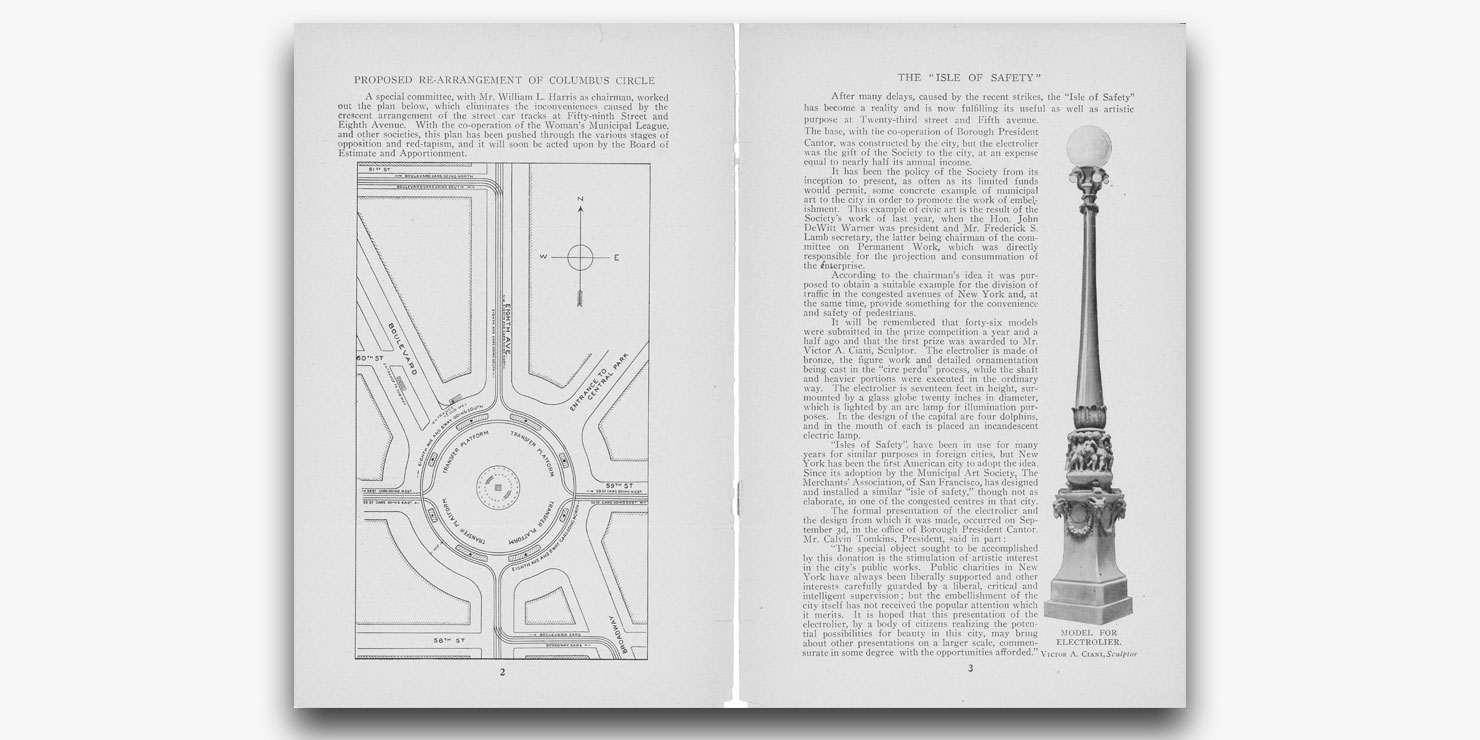
With automobile use on the rise, MAS convinces the City to create a pedestrian traffic island, a so-called isle of safety, at the dangerous intersection of Broadway, Fifth Avenue, and 23rd Street. In the following year, the City created several such isles of safety at various intersections along busy Broadway.
“Block Beautiful” Is Born
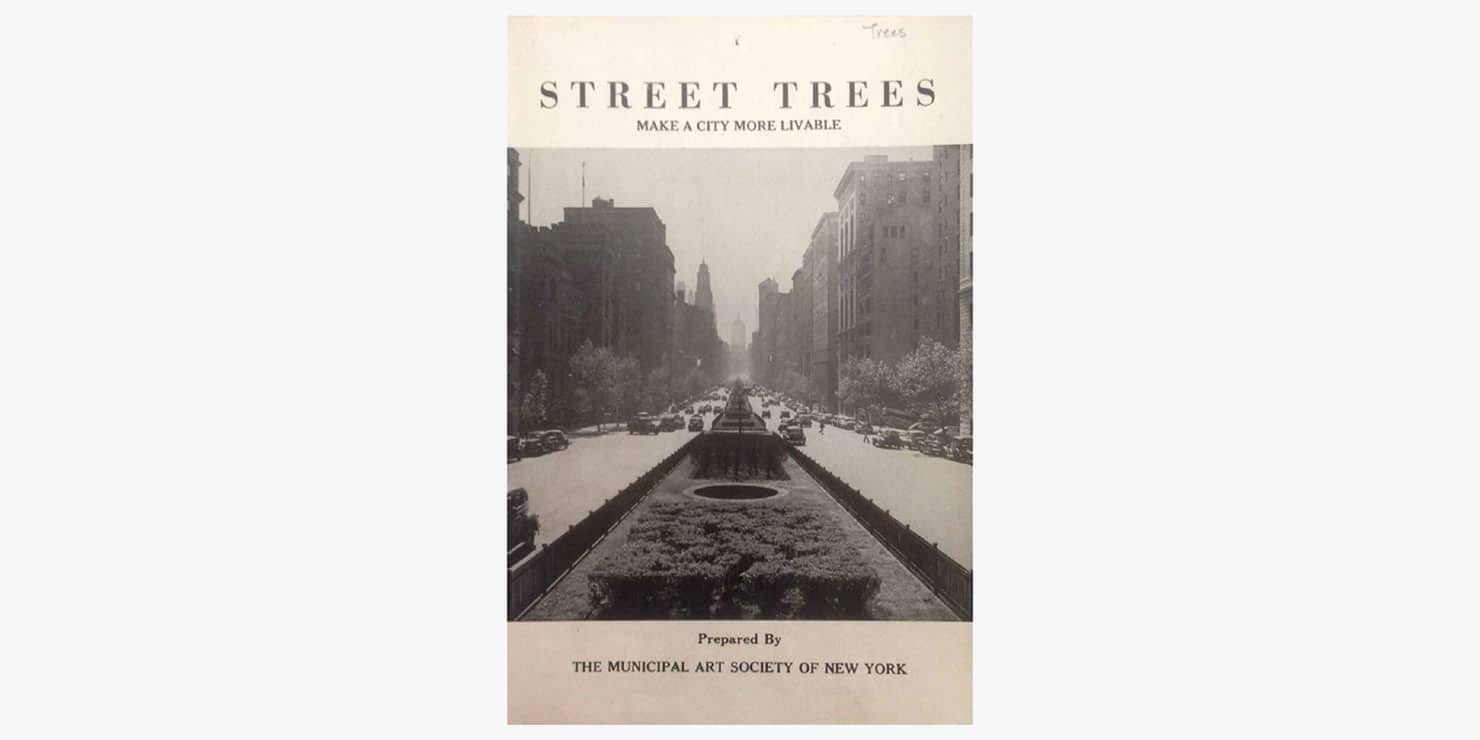
Inspired by the broader City Beautiful movement, MAS launches New York’s first major tree-planting campaign, dubbed the “Block Beautiful” movement.
Advocating for a Consolidated Transportation System
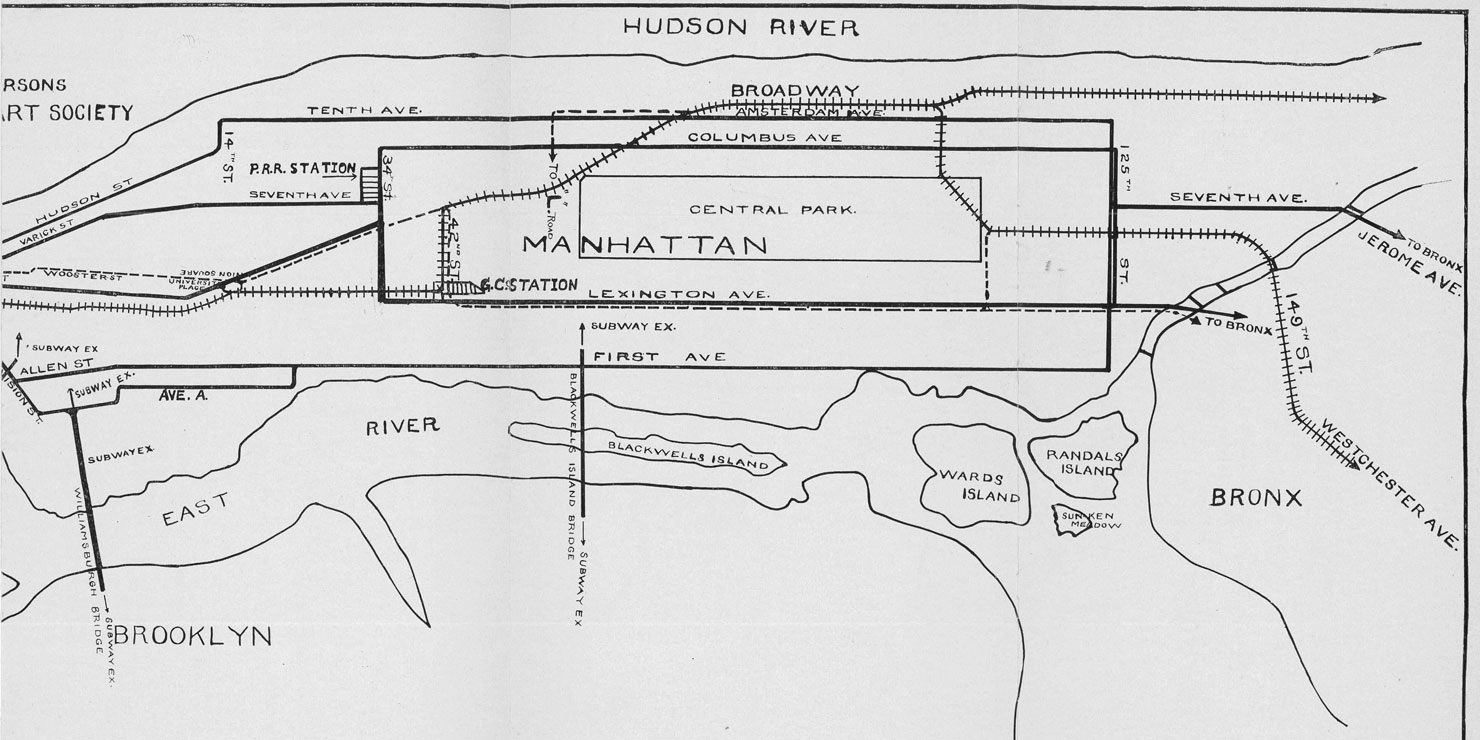
MAS starts to advocate for a citywide passenger transportation plan and subway system.
MAS Library Founded
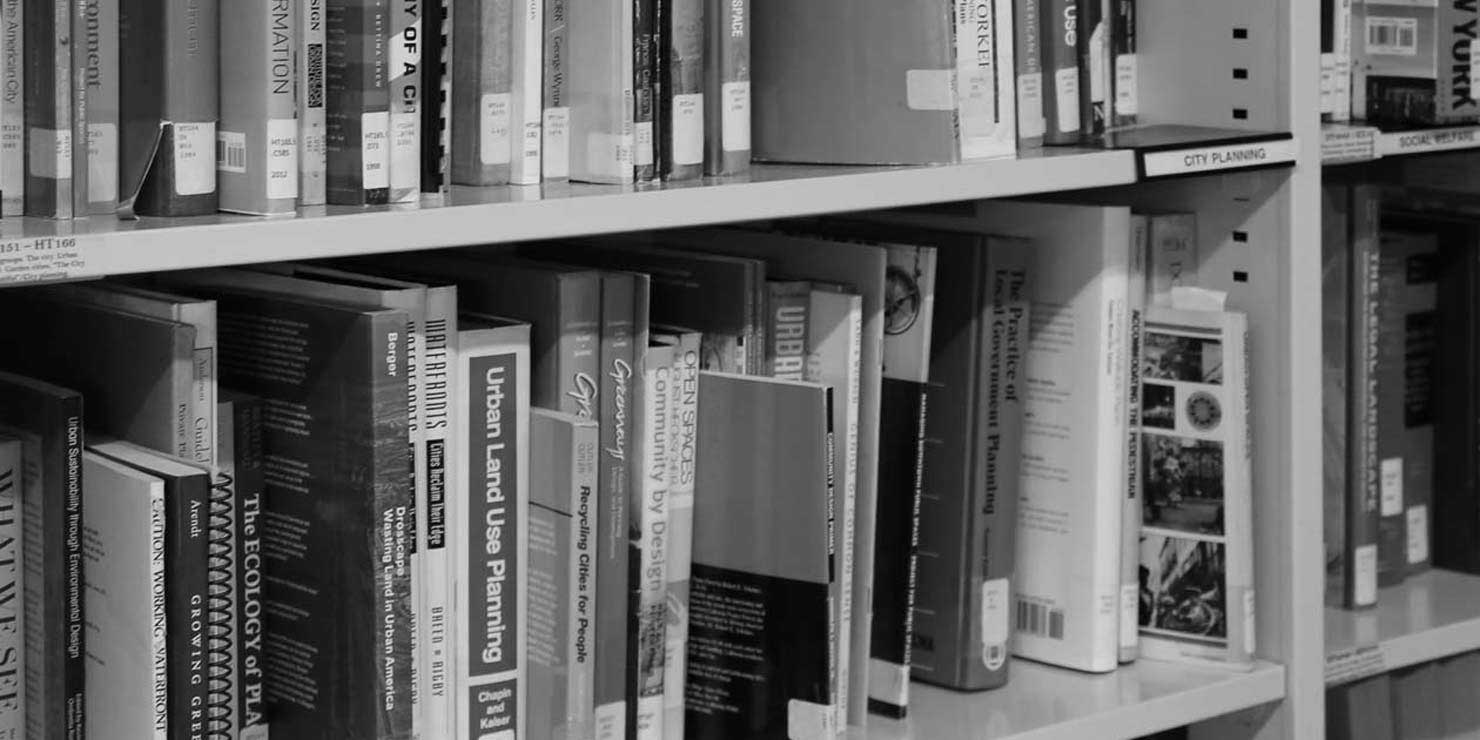
Established more than a century ago, MAS’s library is devoted to the complex ecology of cities, urban culture, and the natural and built environment. Now named the Greenacre Reference Library, our collections contain thousands of books, reports, publications, and historical ephemera.
MAS Advocates for Public Housing
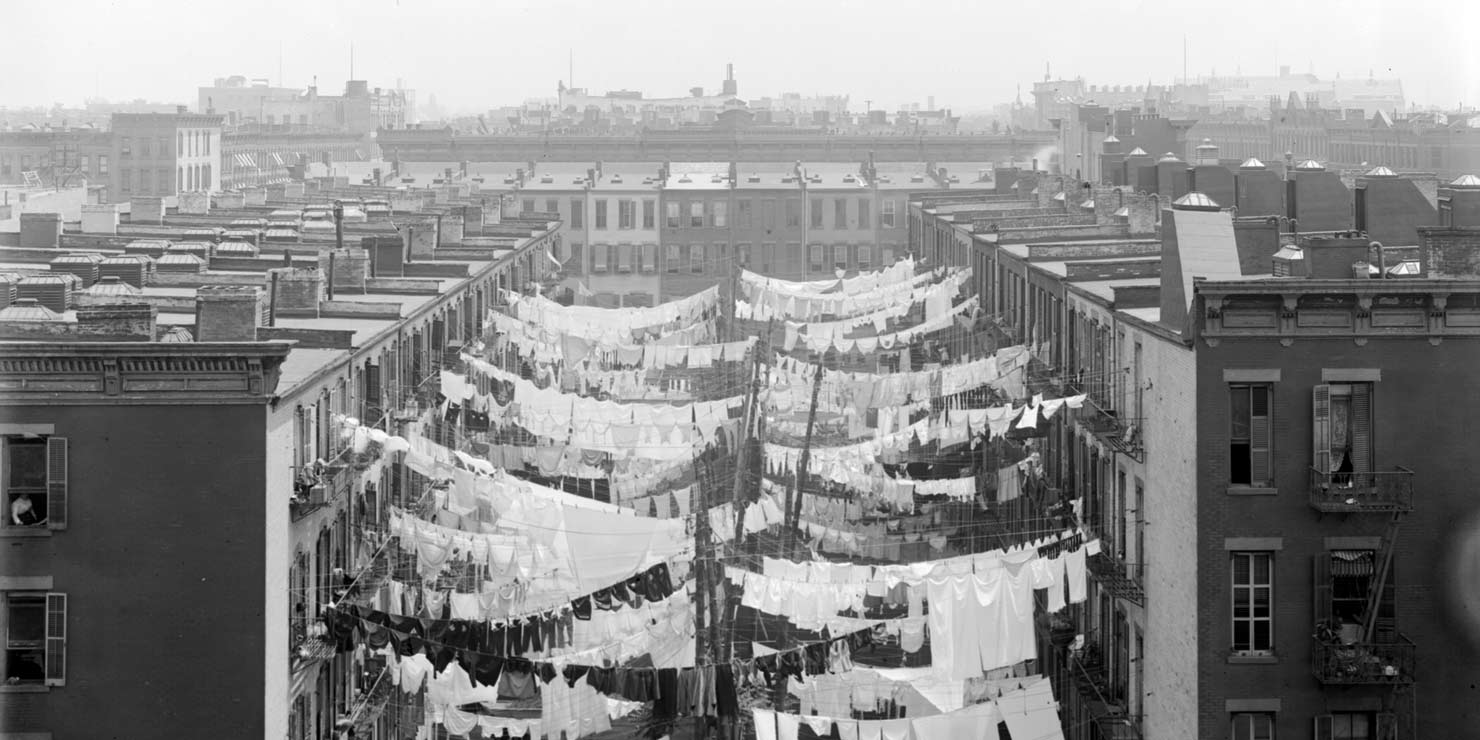
As New York City’s population burgeons, MAS advocates for the construction of public housing, increased services for poor residents, and more public bathhouses.
Establishing the Zoning Resolution of 1916
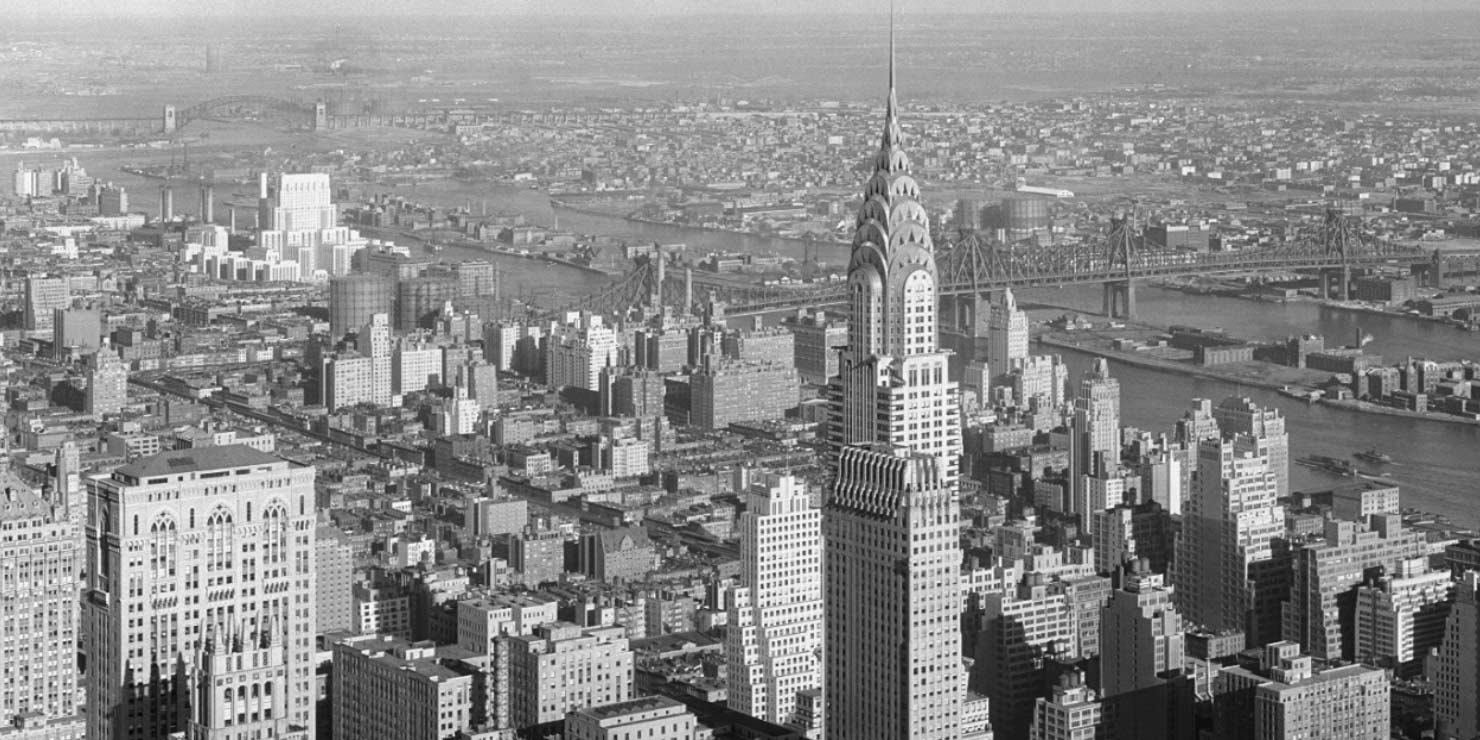
Following years of advocacy by MAS, political reformers win approval of the Zoning Resolution of 1916, the first citywide zoning code in the country.
Defeating Proposals to Extend the Subway into Central Park
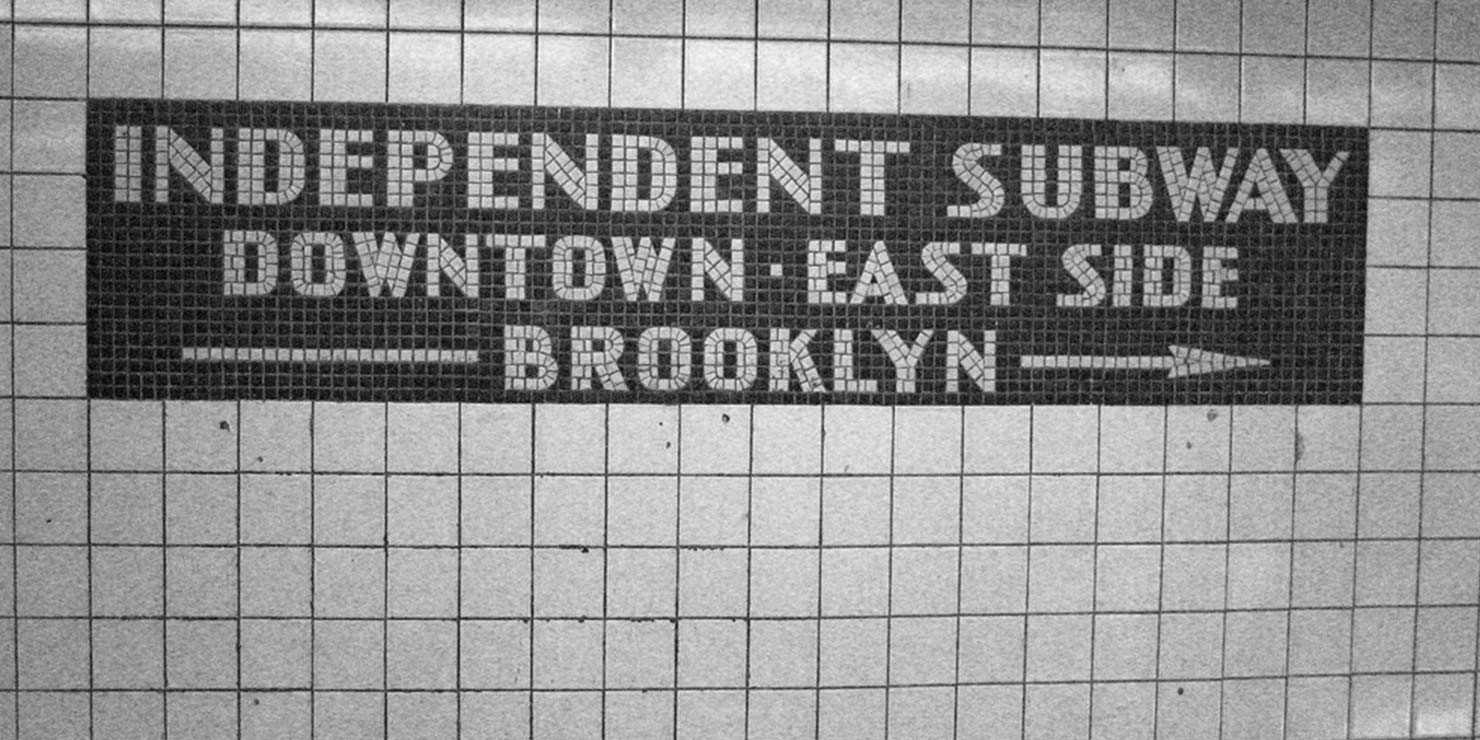
MAS helps defeat proposals by Mayor John Hylan to build the independent-subway-timeline subway through Central Park.
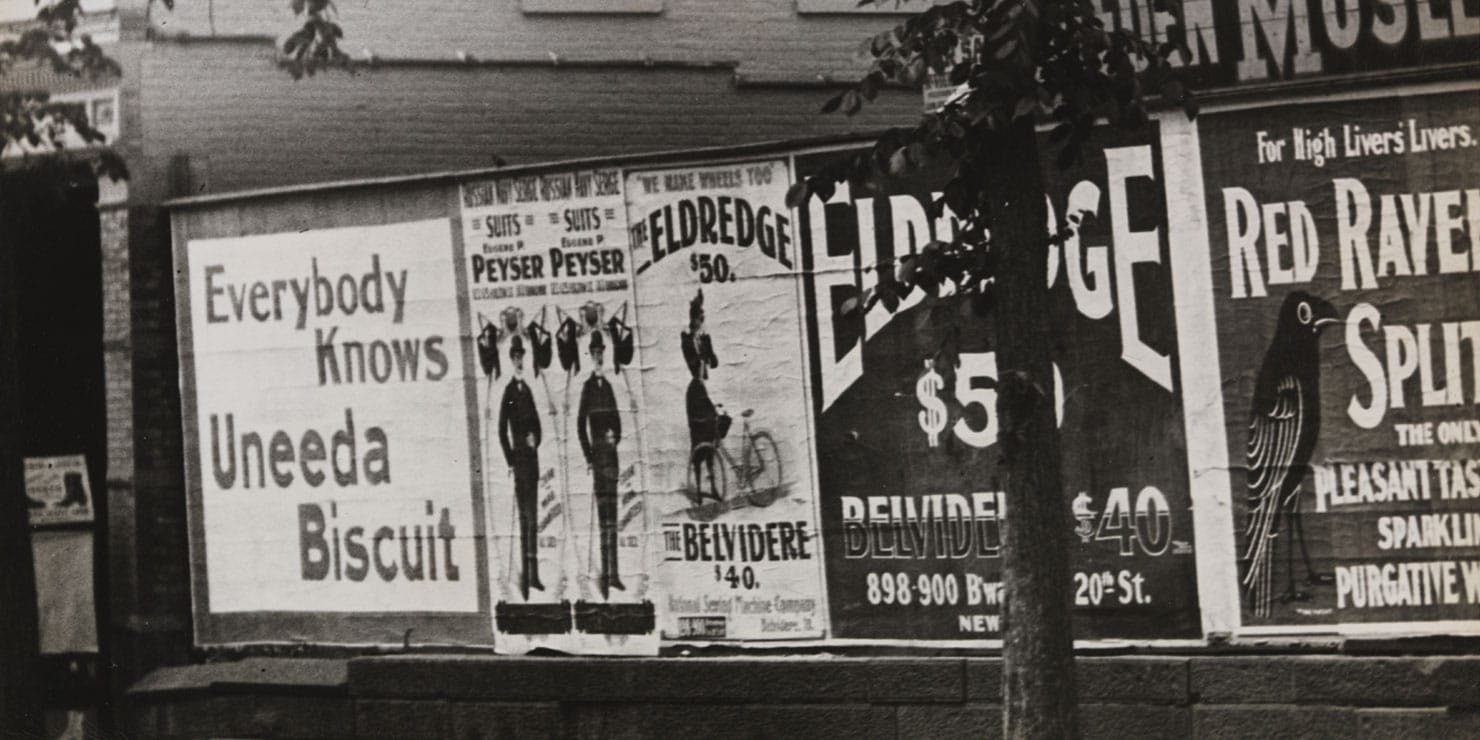
Reforming Outdoor Advertising
MAS campaigns to place restrictions on outdoor advertising and require that major billboards be subject to a City tax.
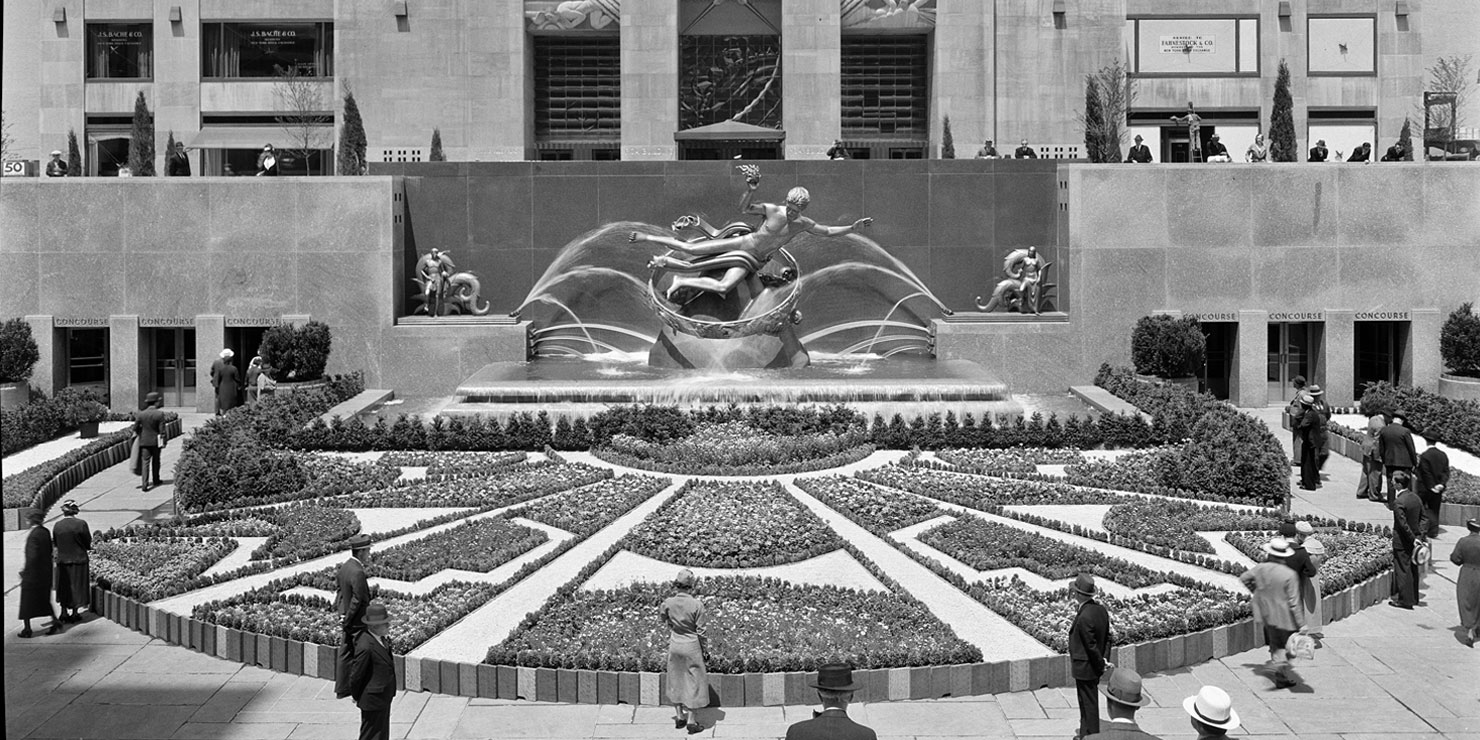
MAS Urges Construction of Rockefeller Center
MAS urges construction of Rockefeller Center, an unpopular, pro-Modernist position at the time.
New York City Establishes a Permanent City Planning Commission
After decades of advocacy by MAS, New York City establishes a permanent City Planning Commission under its new City Charter.
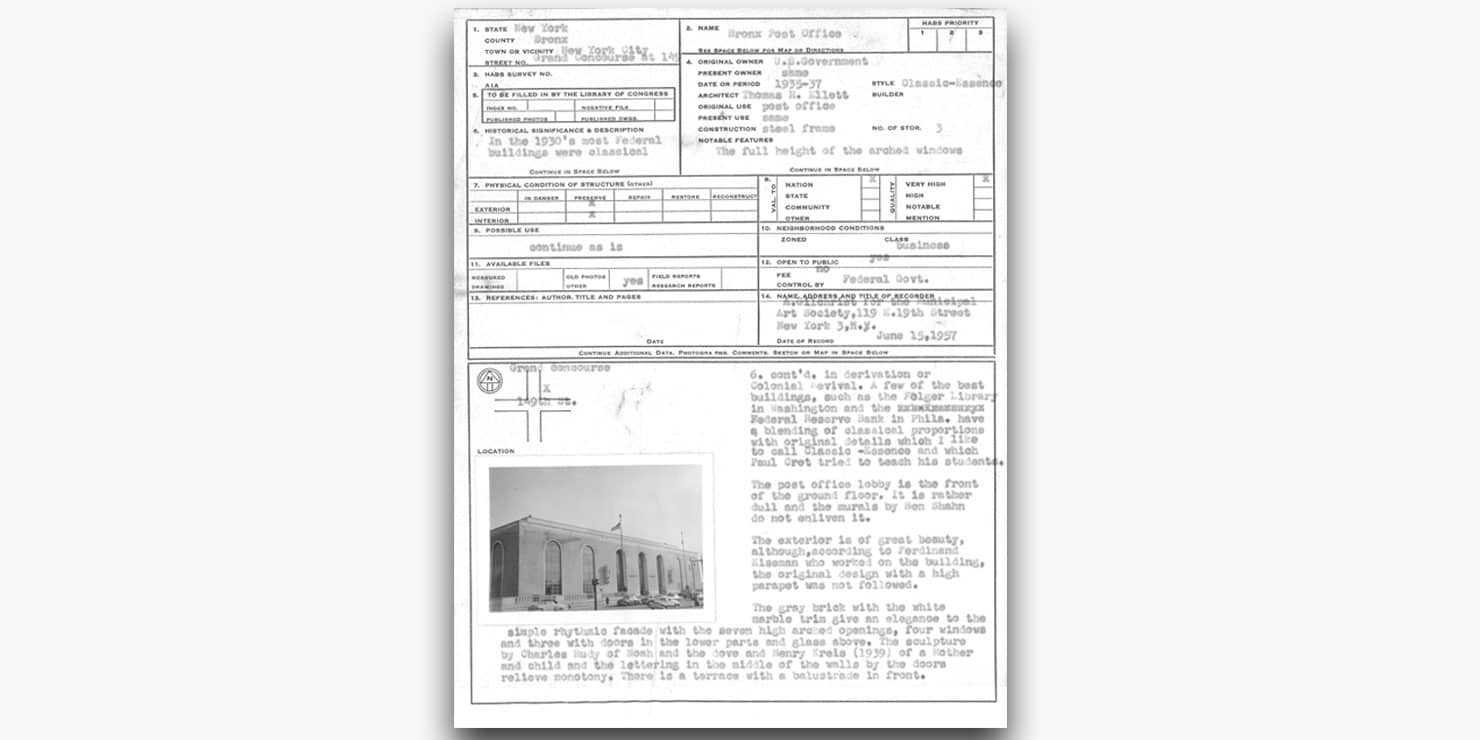
Identifying Future Landmarks
Between 1954 and 1957, before a mechanism existed for preserving historic properties, MAS surveyed buildings in all five boroughs to create a database of potential landmarks to preserve. Local residents and MAS staff compiled individual sheets devoted to about 200 buildings. Each sheet outlined the building’s date, location, and style and provided a description and small photograph.
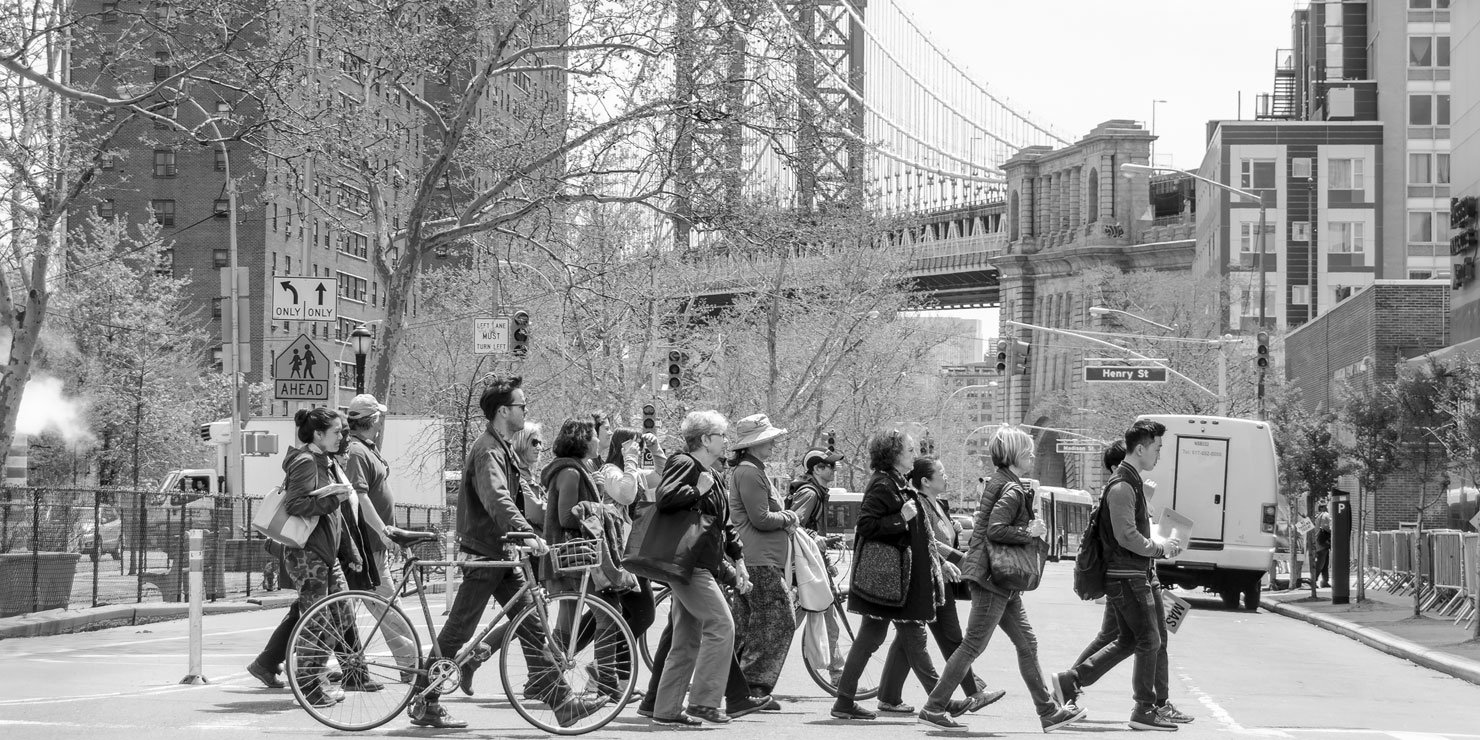
MAS Holds New York City’s First Walking Tour
MAS begins to curate architectural walking tours of New York City, a key tool for our preservation and advocacy efforts. Visit our tours page to join us for a tour this month.
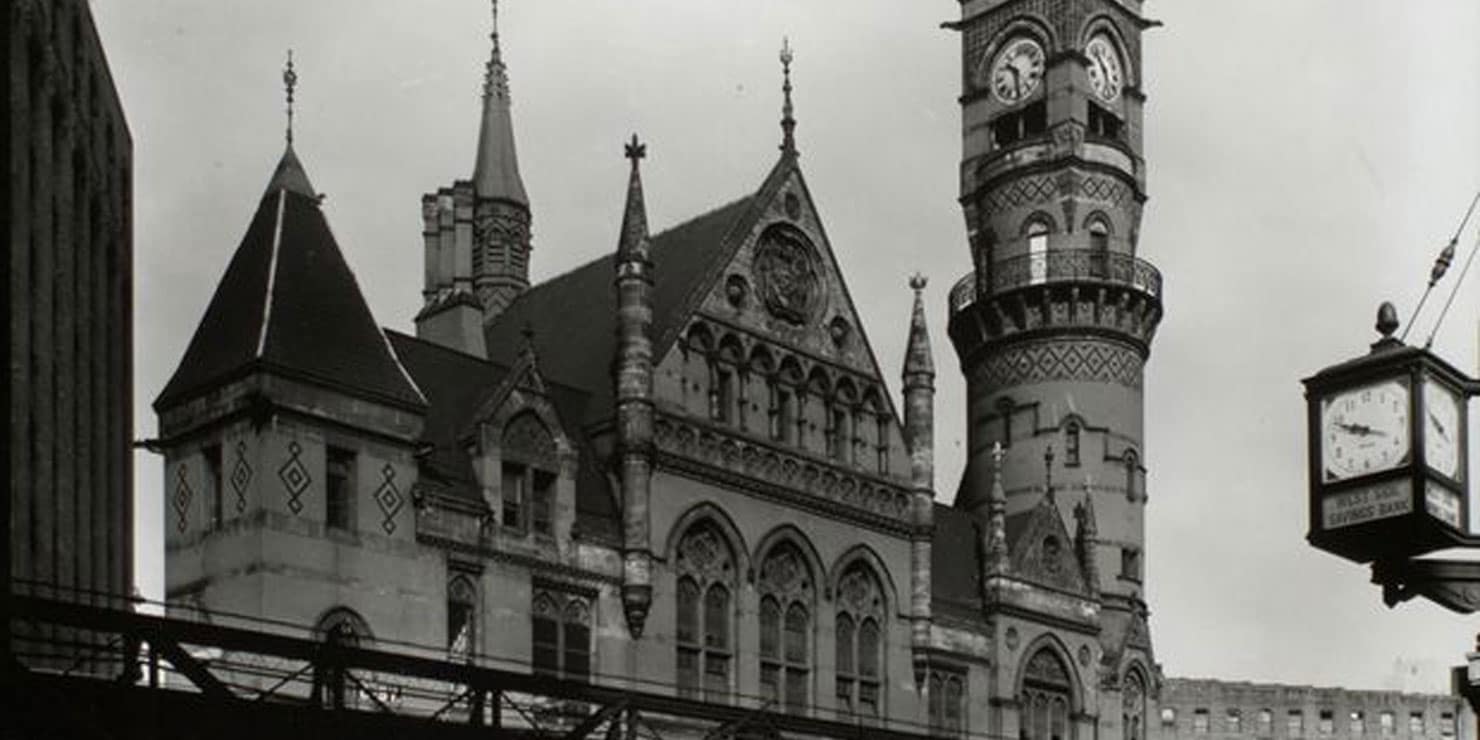
Saving the Jefferson Market Courthouse from Demolition
MAS organizes a successful public campaign to save the Jefferson Market Courthouse, described by the AIA Guide to New York City as “a mock Neuschwansteinian assemblage … of leaded glass, steeply sloping roofs, gables, pinnacles, Venetian Gothic embellishments, and an intricate tower and clock; one of the City’s most remarkable buildings.” The campaign led to the Courthouse’s reuse as a branch of the New York Public Library.
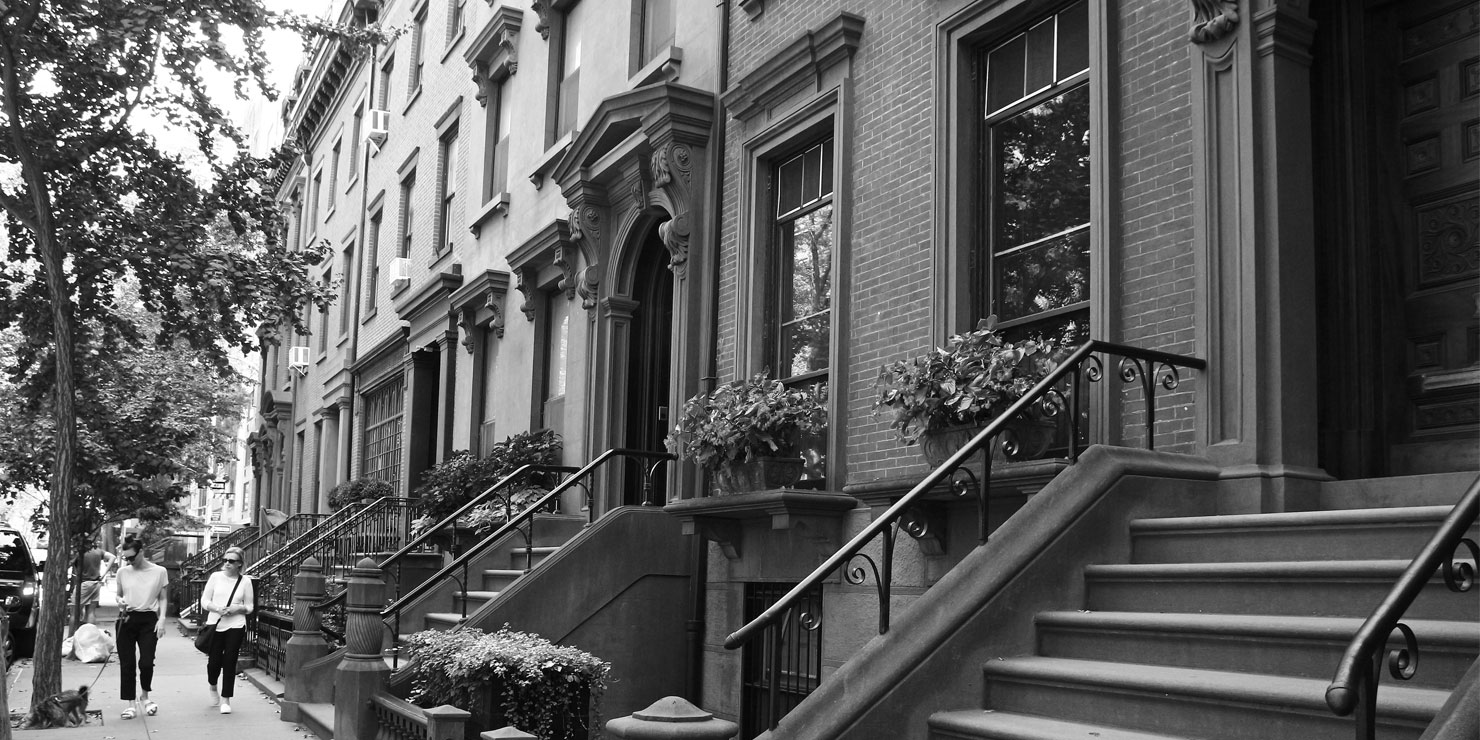
Creating the First Historic District
MAS galvanizes Brooklyn Heights residents to campaign for their streets to be designated the first Historic District in New York City, establishing a new model for preserving not just individual buildings, but entire neighborhoods.
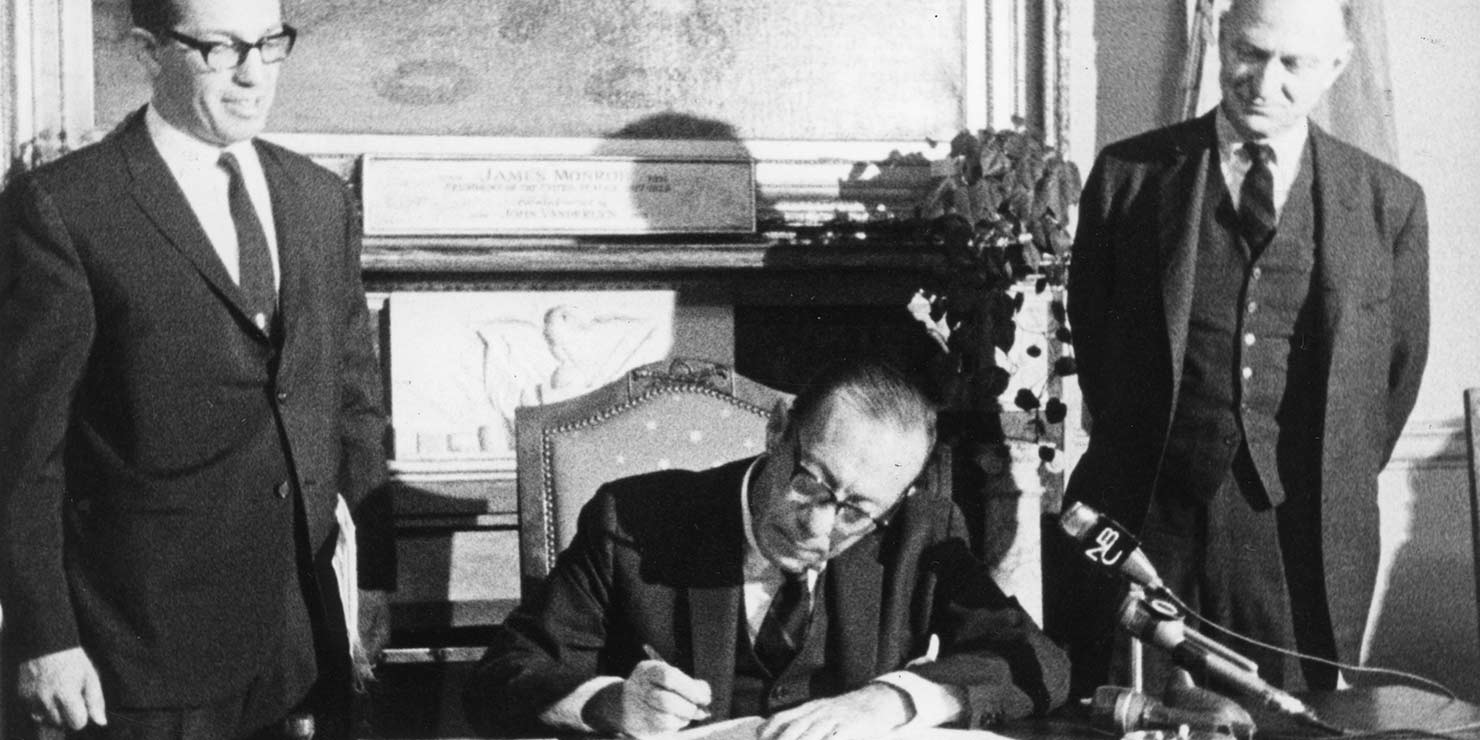
Passing the Landmarks Law
MAS helps win passage of New York City’s Landmarks Law, substantially broadening the powers of the Landmarks Preservation Commission. Today, the law serves as the model for preservation statutes in more than 500 municipalities across all fifty states.
Advocating for the South Street Seaport
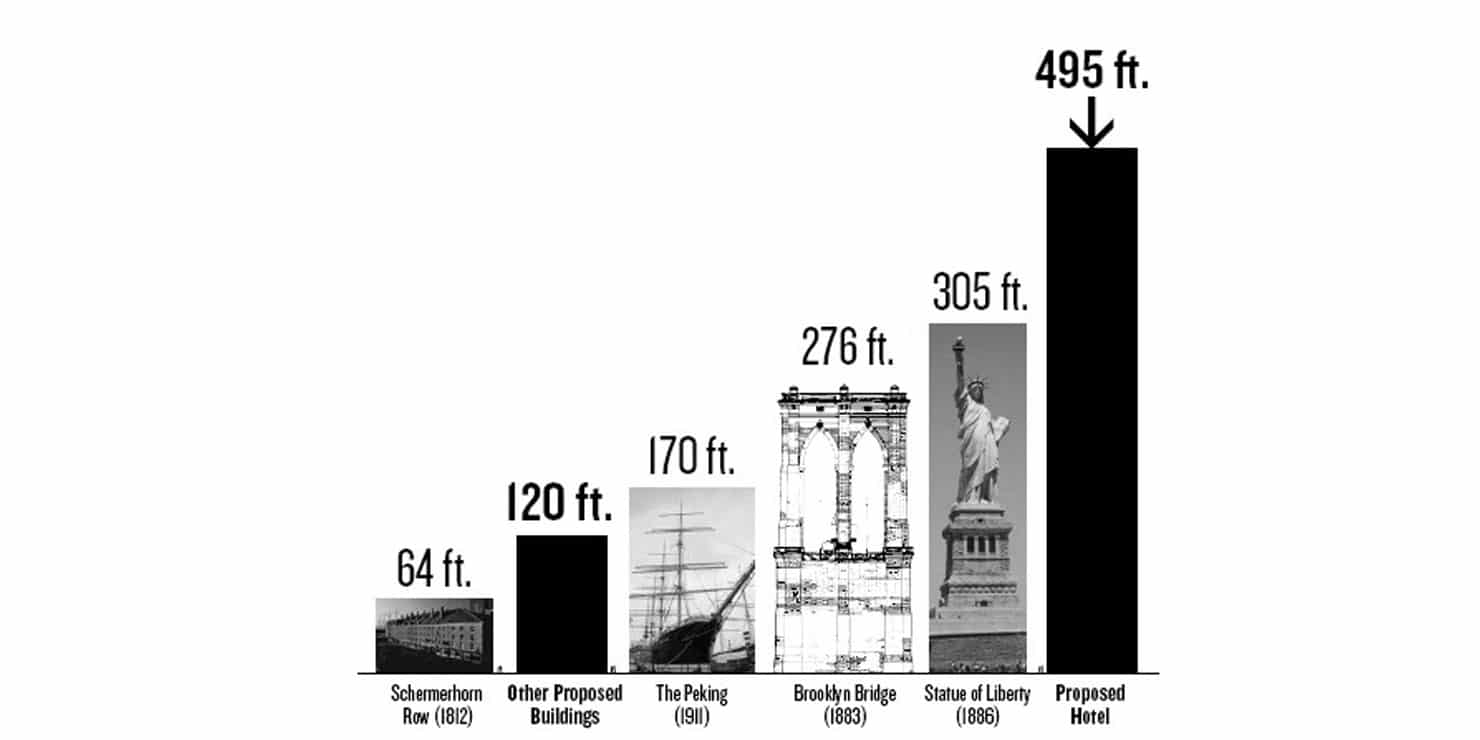
MAS, the Friends of South Street, and the State Council on the Arts cosponsor an exhibition called “The Destruction of Lower Manhattan,” which focuses attention on threats to the historic neighborhood. The Landmarks Preservation Commission designates the South Street Seaport Historic District in 1977.
Saving the Tweed Courthouse from Demolition
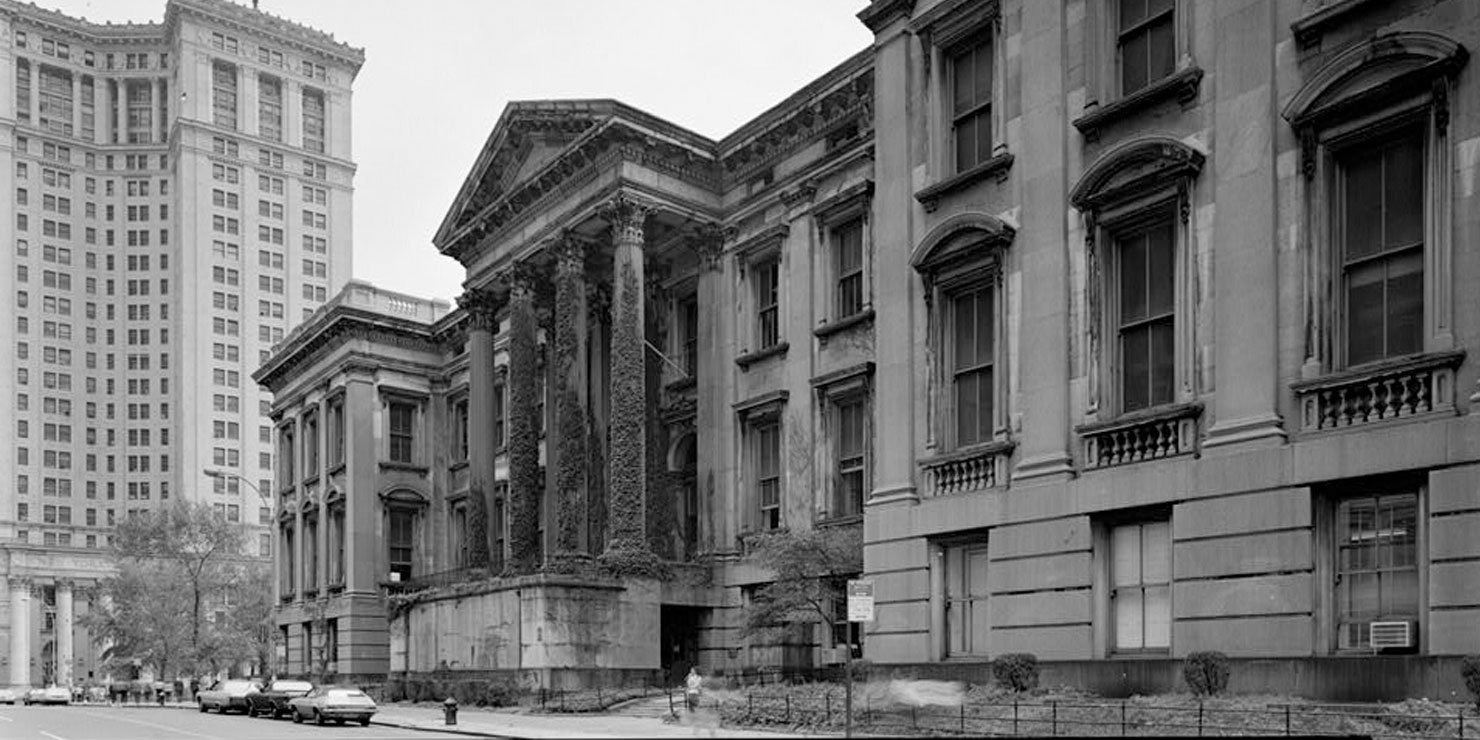
MAS, the New York Landmarks Conservancy, and others successfully fought for the building’s survival when a task force under Mayor Beame recommended that the Tweed Courthouse be torn down and replaced with a City Hall annex. It has since been saved and fully restored and, since 2001, houses the City’s Department of Education.
Planning for the Second Avenue Subway
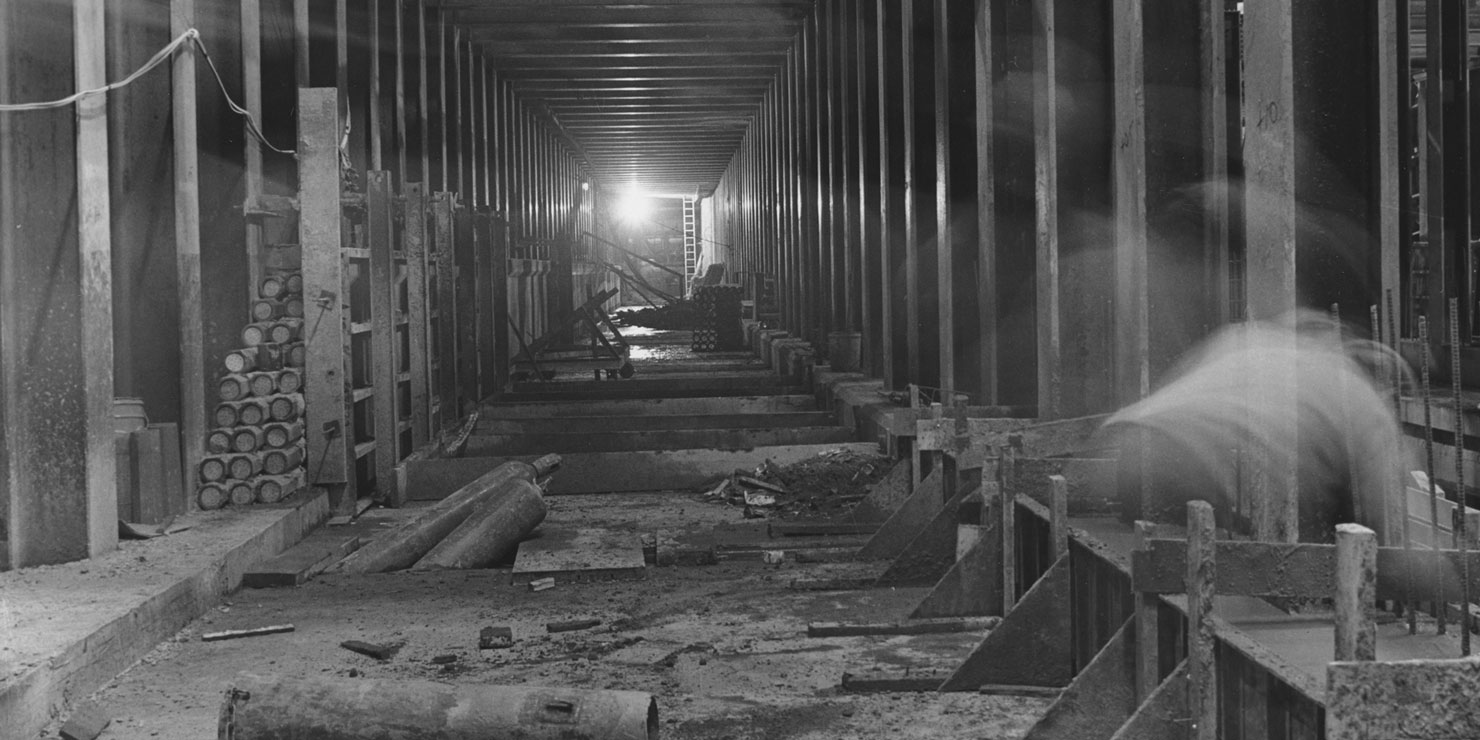
MAS partners with the City Planning Commission on a joint study of the planning implications for the proposed Second Avenue Subway and issues a set of permanent policy recommendations to achieve the new line.
Saving Grand Central Terminal from Demolition
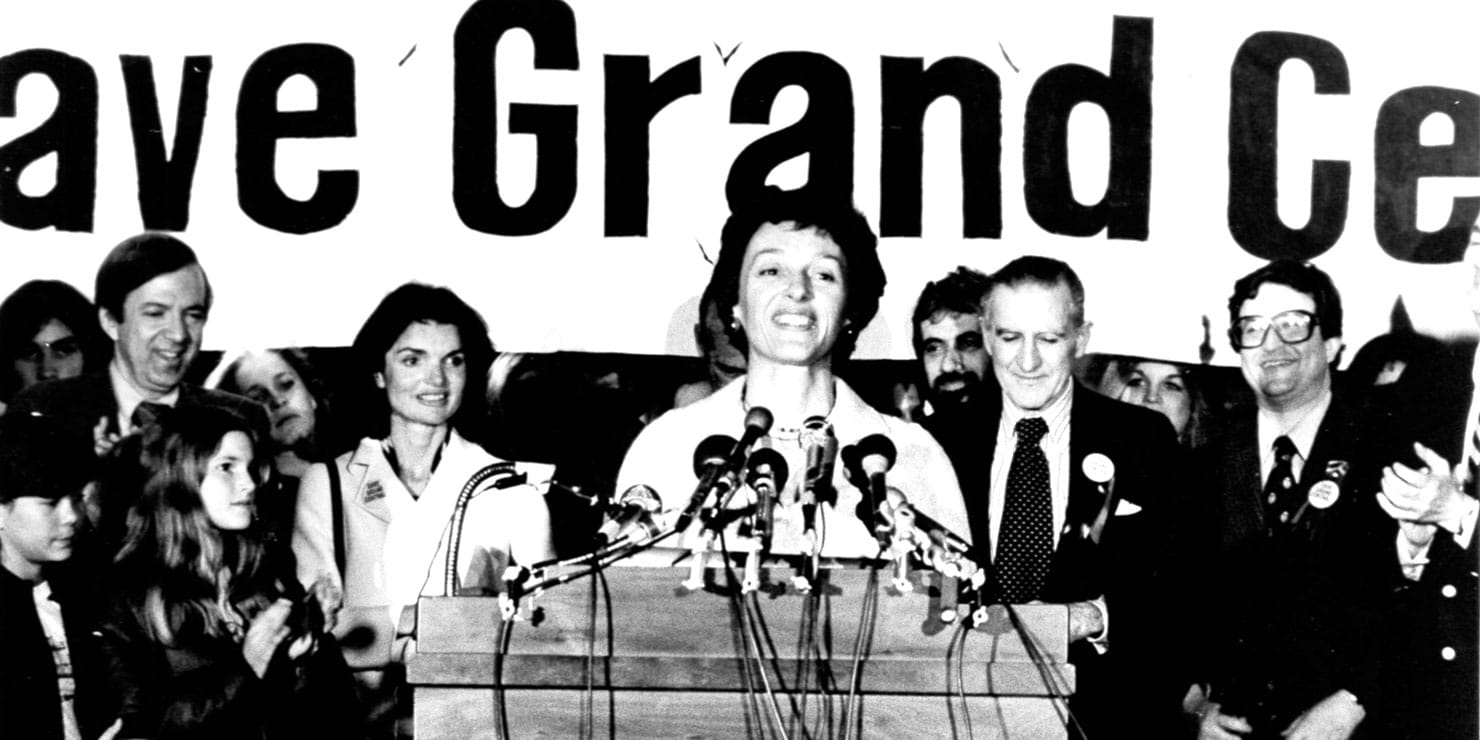
With MAS Board Member Jacqueline Kennedy Onassis in the lead, the MAS formed the Committee to Save Grand Central Terminal in response to the Penn Central Railroad’s proposal to demolish the station. On April 16, 1978, more than 400 advocates traveled by train, dubbed the “Landmark Express,” to Washington D.C., in order to call attention to the Supreme Court hearing on the designation of the train station as a city historic landmark. Photo: Associated Press.
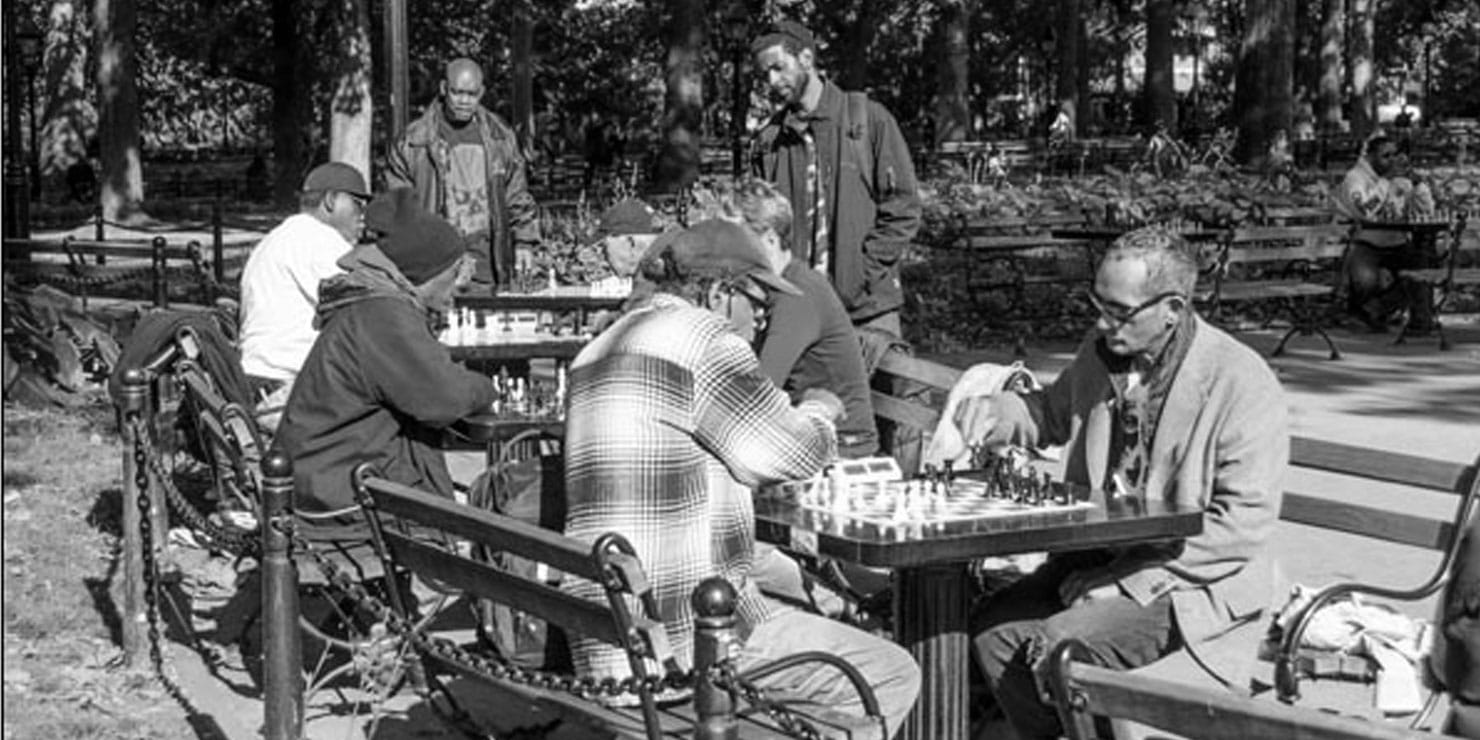
Producing “The Social Life of Small Urban Spaces”
In conjunction with William “Holly” Whyte, MAS establishes the Street Life Project in 1969 to observe and record how people use public space in the city. The most acclaimed result was The Social Life of Small Urban Spaces, a 1979 documentary that aired on PBS in 1980 and an accompanying book. Photo: Giles Ashford.
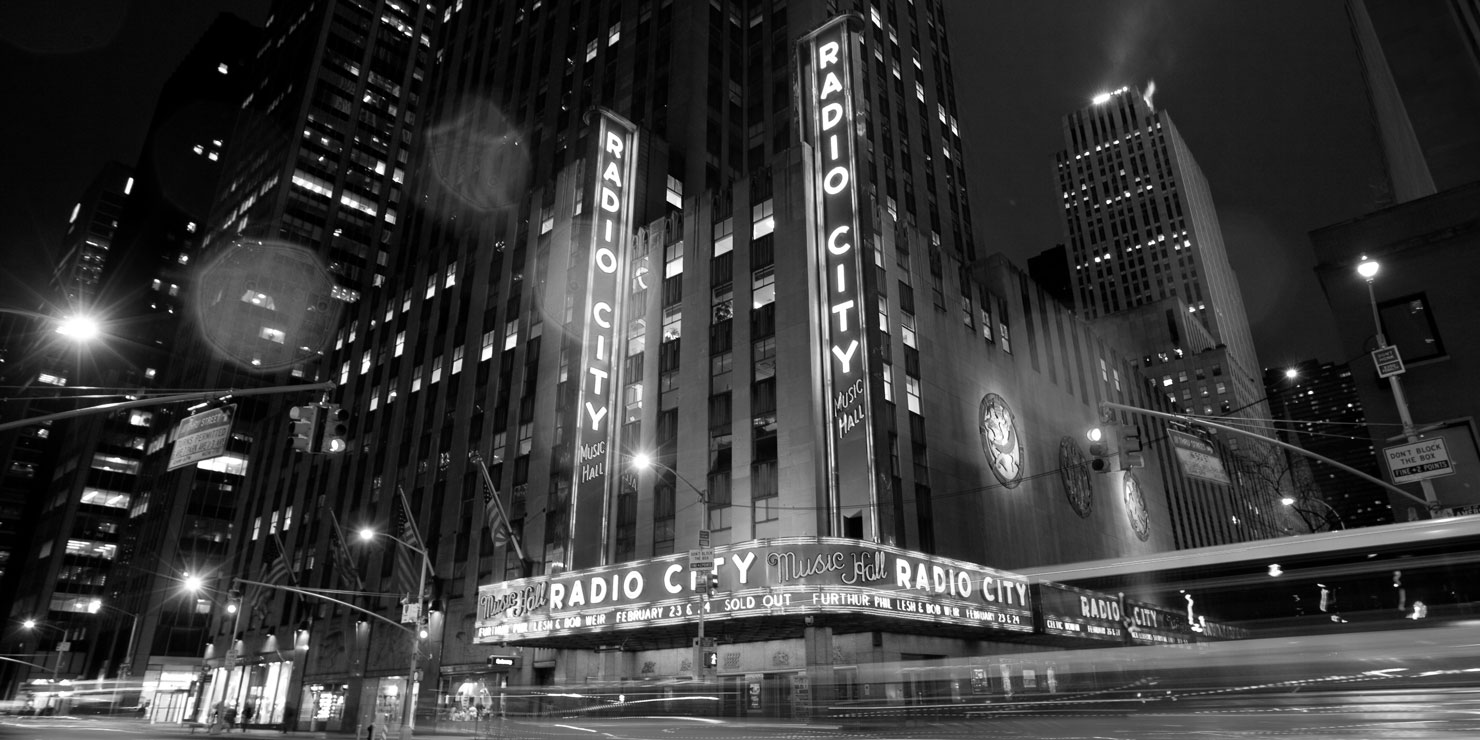
Saving Radio City Music Hall
When Radio City Music Hall is threatened with demolition, MAS fights to block construction of an office building on the site. Photo: Ed Schipul.
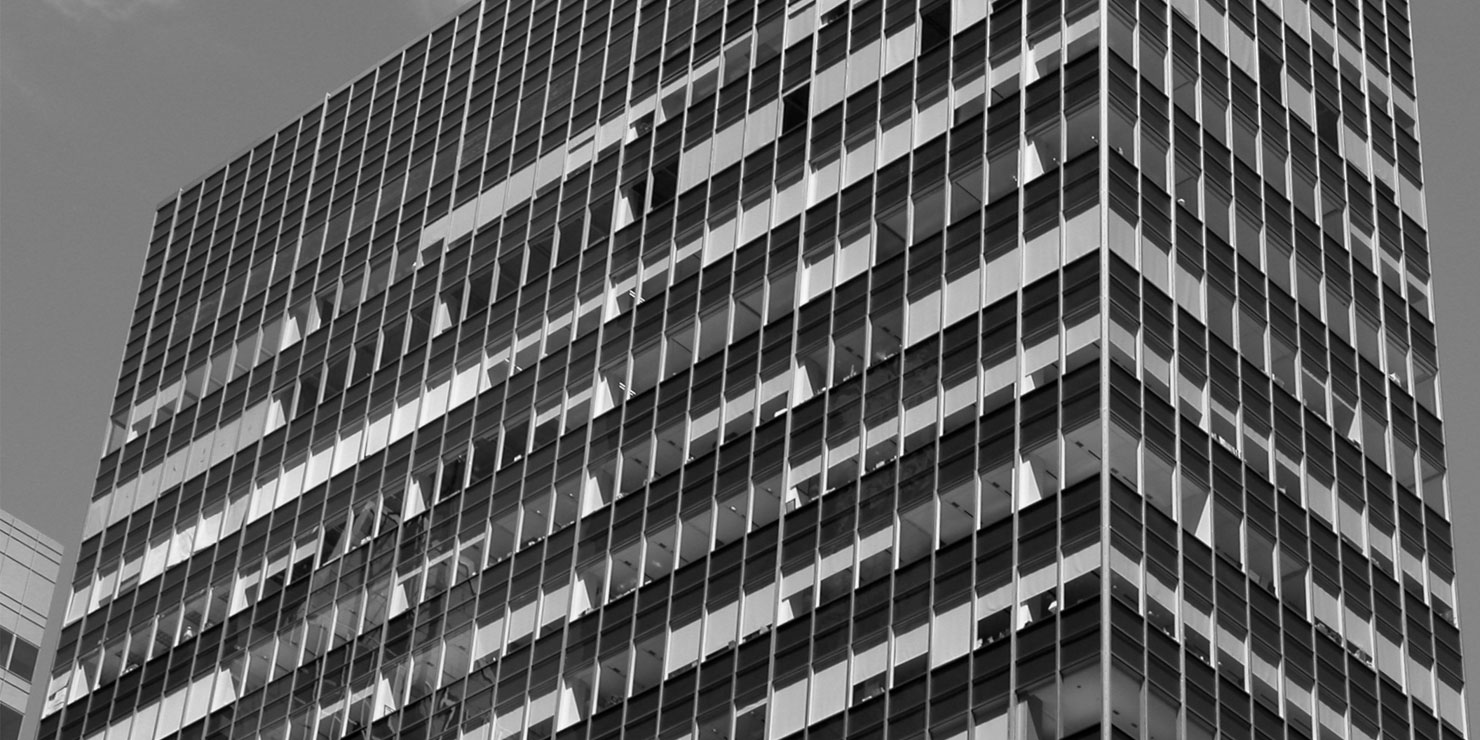
Winning Landmark Status for the Lever House
As Lever House is threatened with demolition, MAS successfully advocates for its designation as a landmark, the first from the mid-century era. Photo: Seth Tisue, Boston, Massachusetts.
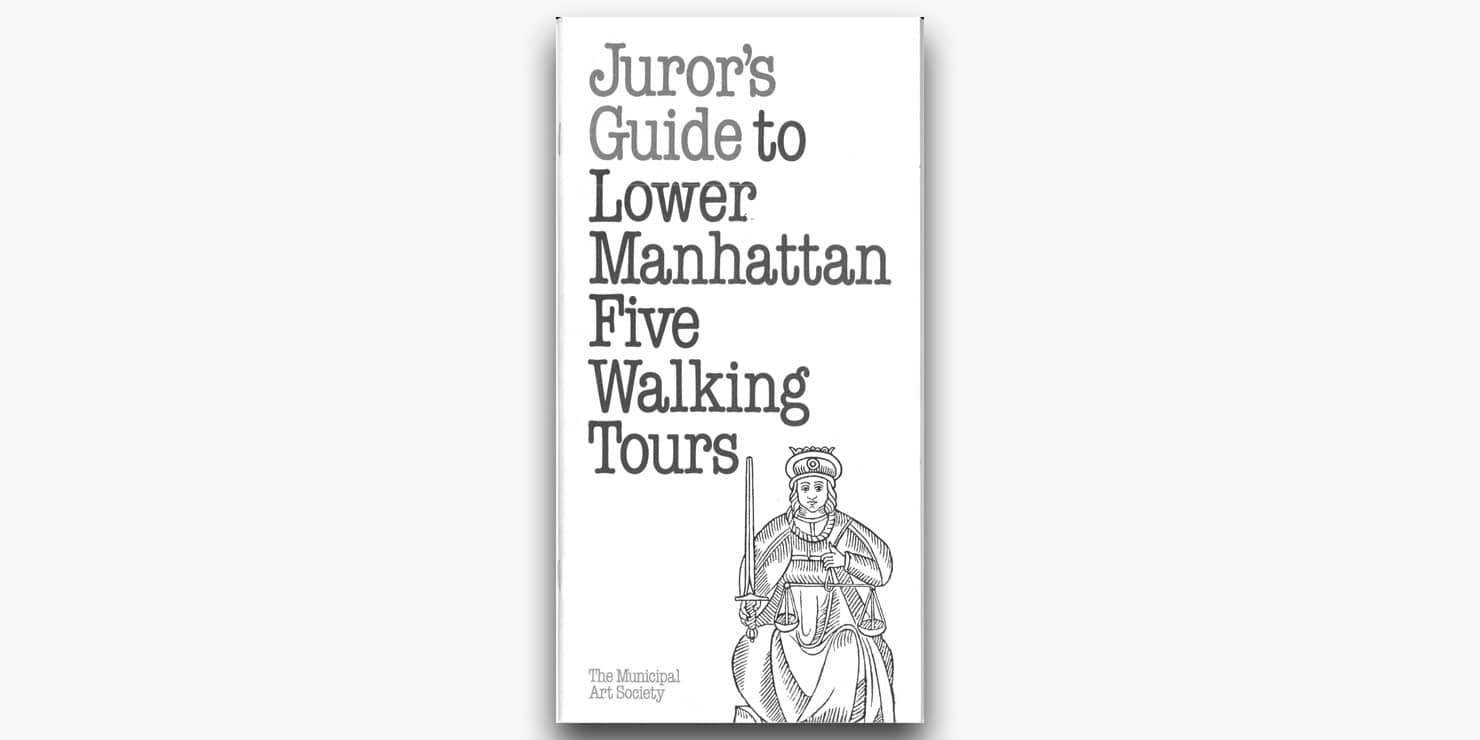
Publishing the Juror’s Guides
MAS publishes the first edition of A Juror’s Guide to Lower Manhattan: Five Walking Tours, which offers people on jury duty opportunities to experience nearby architecture while on lunch break. Three more editions will follow.
Protecting the Times Tower from Demolition
In partnership with the National Endowment for the Arts, MAS sponsors a competition in March for alternate ideas for the City’s proposal to demolish the Times Tower in favor of four anonymous office towers. More than 500 entries were contributed and the competition helped galvanize public opposition to the City-backed proposal. Photo: Wikimedia Commons, the Brown Brothers.
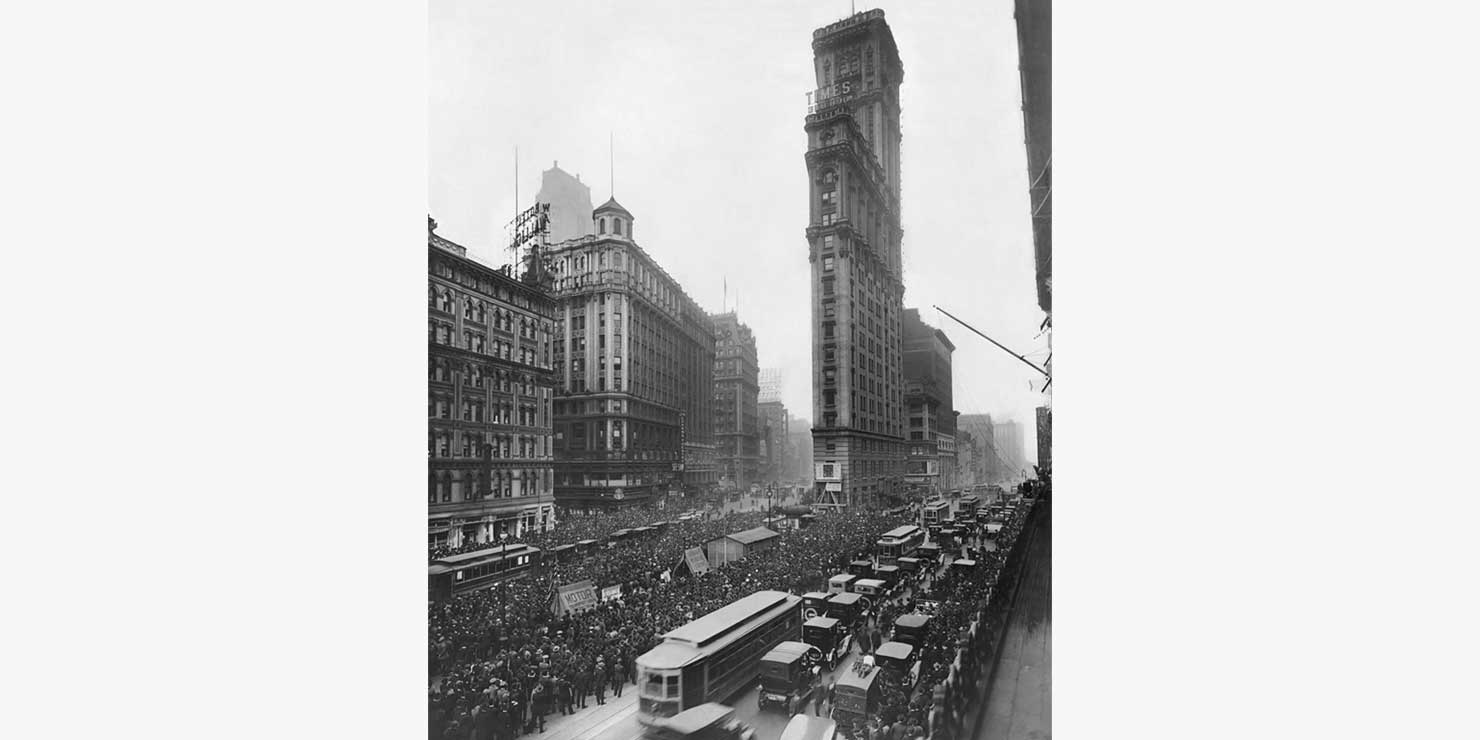
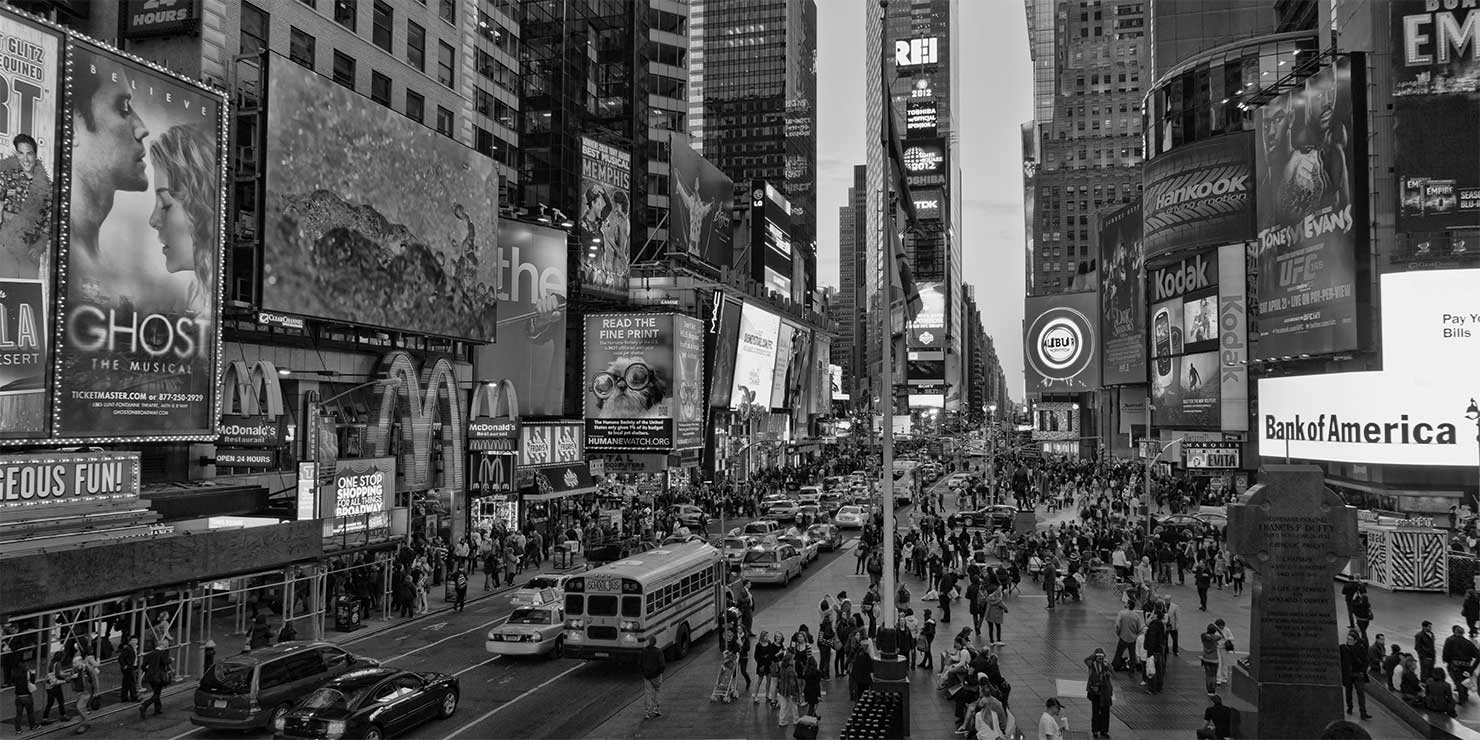
Saving the Lights of Times Square
MAS organizes the “Shut Off the Lights” protest in November, in which most illuminated signage in Times Square temporarily went dark with the exception of a message that read: “Hey, Mr. Mayor It’s Dark Out There: Help Keep Bright Lights In Times Square.” Two years later, the City updates the theater subdistrict zoning to require illuminated signage. Photo: Wikimedia Commons, Jean-Christophe Benoist.
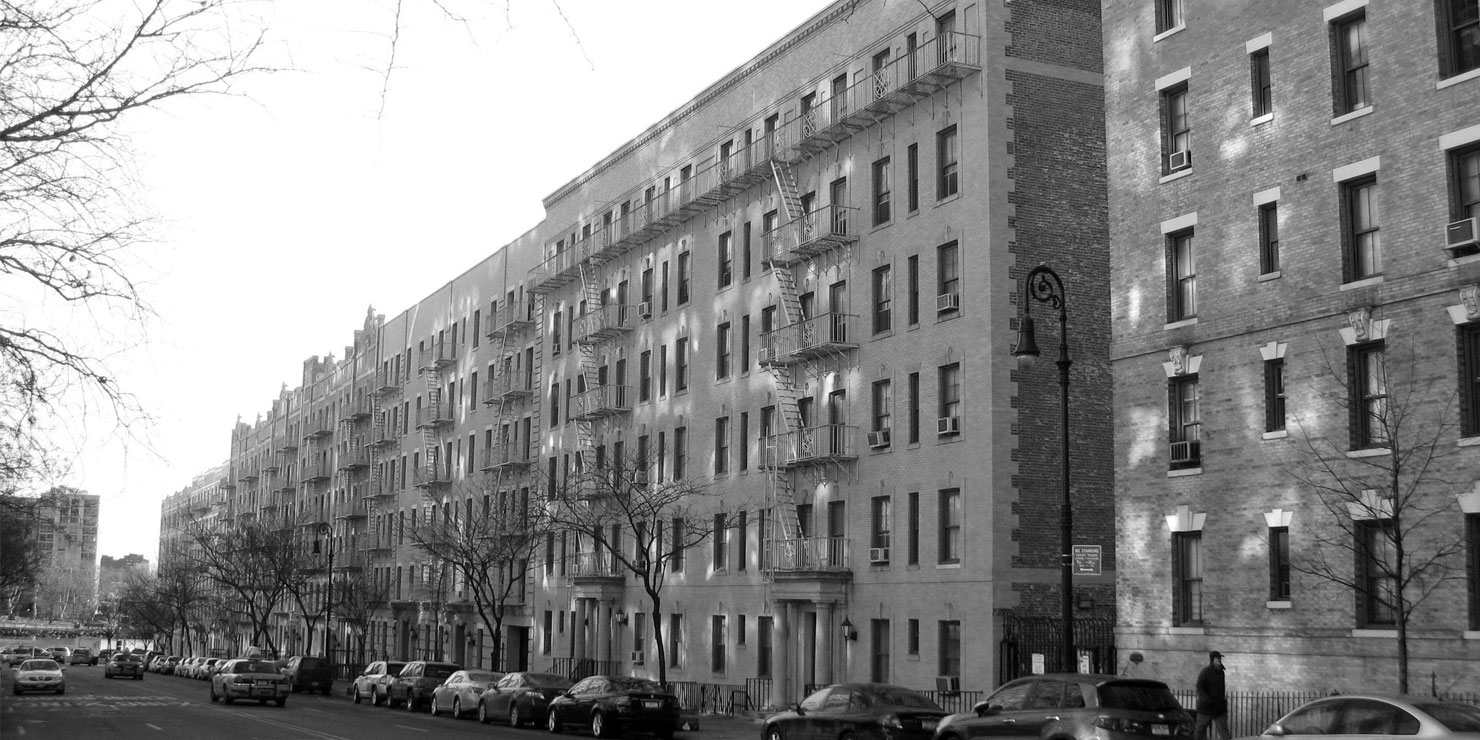
Protecting the City & Suburban Homes
MAS submits the National Register nomination for the model tenements at the City & Suburban Homes York Avenue Estate. In 1990, the Board of Estimate modifies the Landmarks Preservation Commission’s designation, an action later overturned in court.
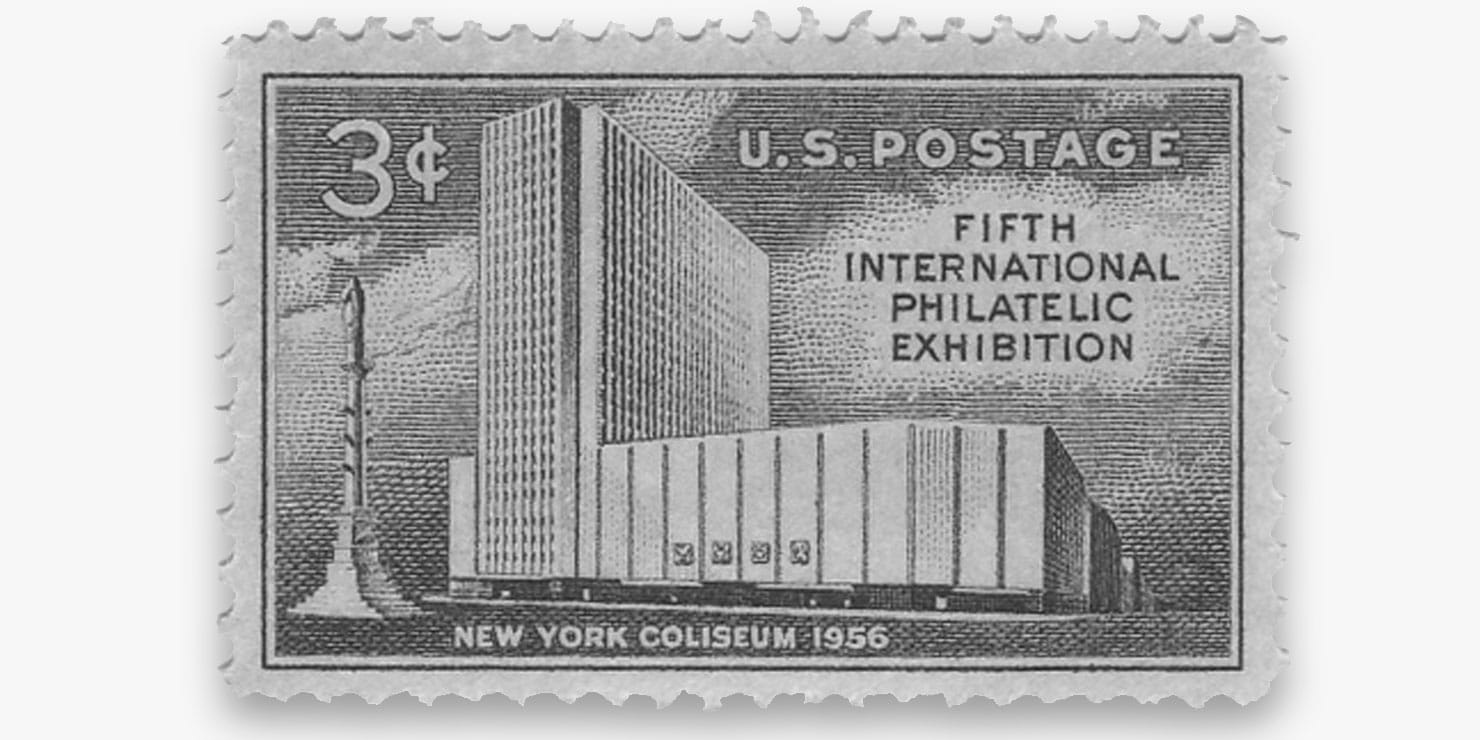
Standing Against the Shadow
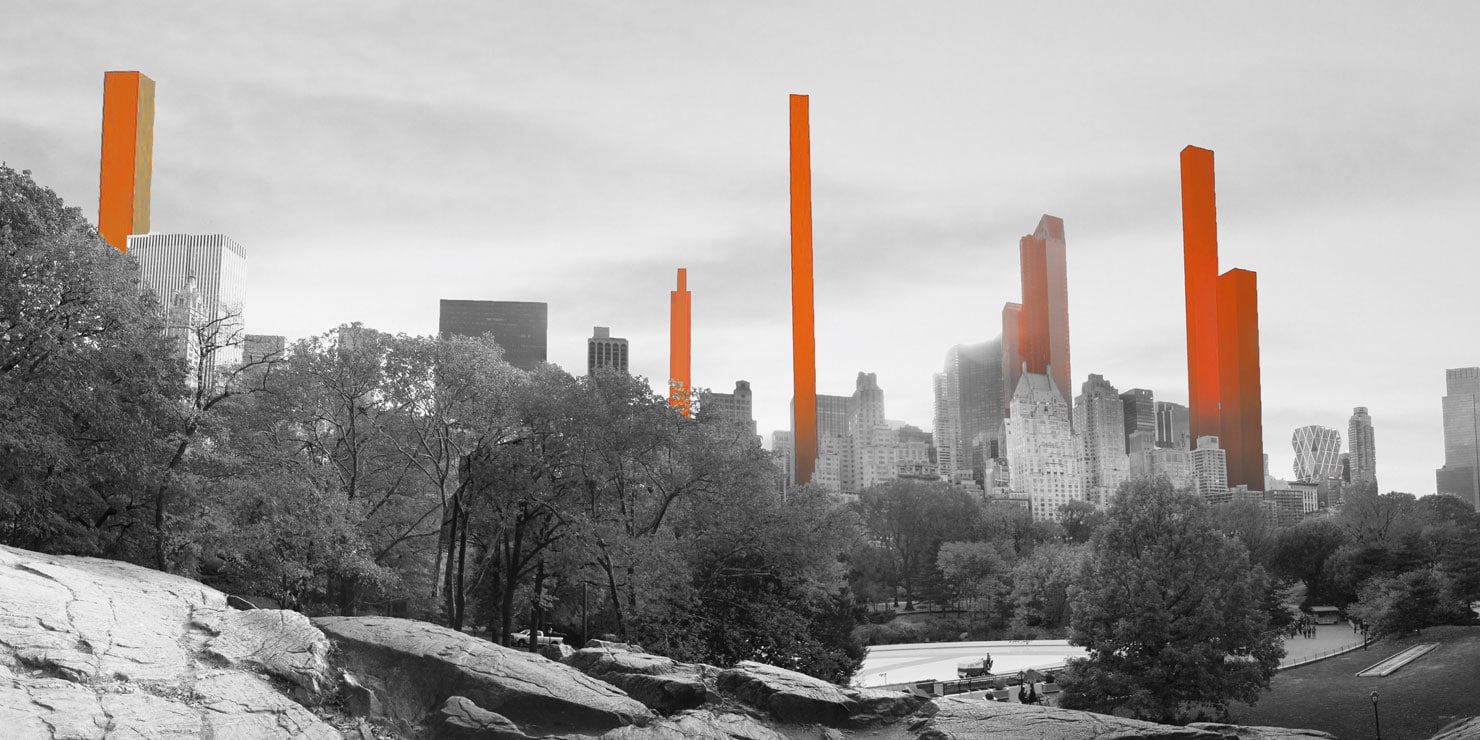
More than 800 New Yorkers, including Jacqueline Kennedy Onassis and Bill Moyers, join MAS in Central Park and raise black umbrellas aloft to demonstrate the shadow that would be cast onto the park by a tower proposed for the Former Coliseum site on Columbus Circle. That project was modified to mitigate shadows effects in response to the public outcry. Thirty years later, our advocacy for light, air, and sound city planning continues through the Accidental Skyline project.
Protecting Public Art through Adopt-A-Monument
In response to the deterioration of many of New York City’s outdoor statues and public murals in hospitals, schools and libraries, and the limited resources to preserve them, MAS (in partnership with NYC Parks and the Public Design Commission) launches the Adopt-A-Monument program to raise private funds for the conservation and maintenance of public art.
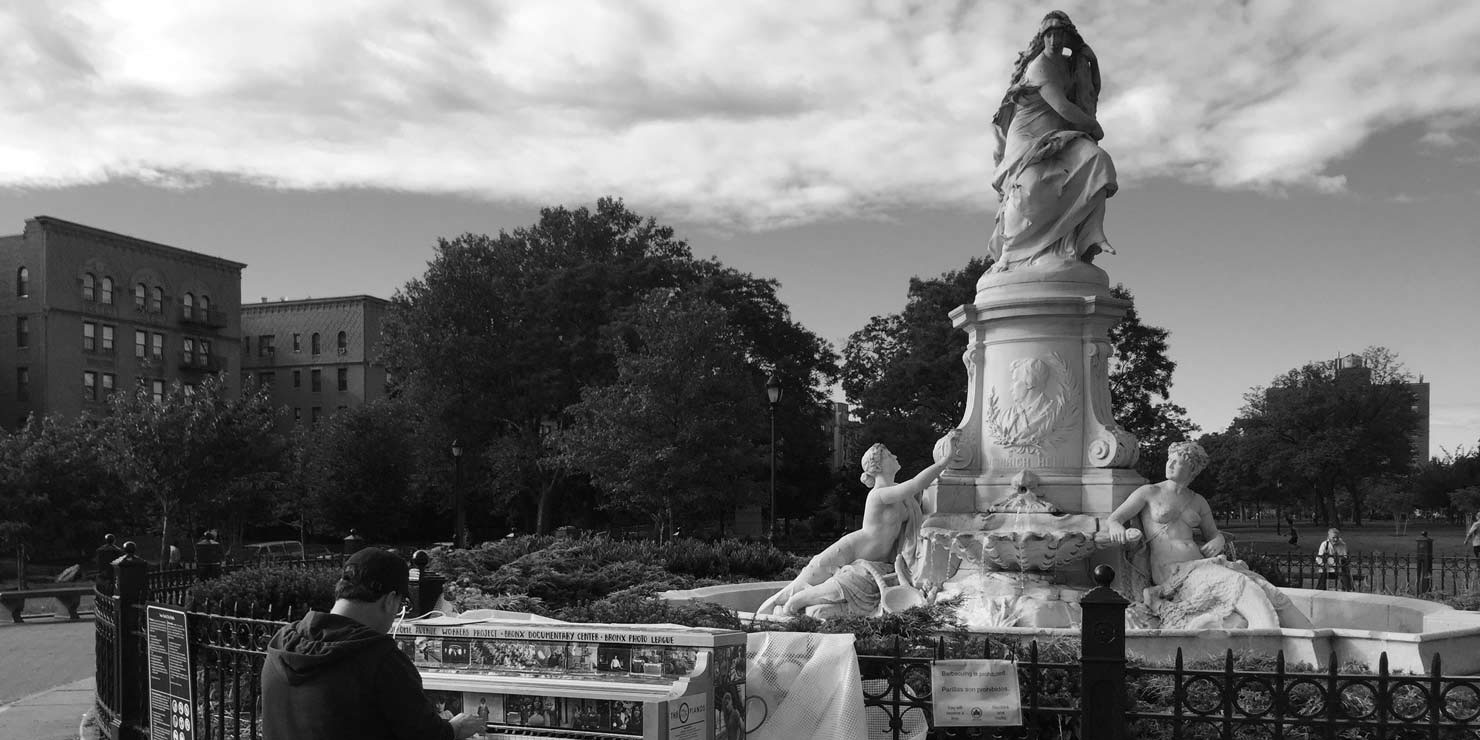
Establishing the Brendan Gill Prize
MAS establishes the annual Brendan Gill Prize, which honors the creator of a specific work of art produced in the previous year that best captures the spirit and energy of New York City. The inaugural prize is given to Rudolph Burckhardt for a film series at MoMA.
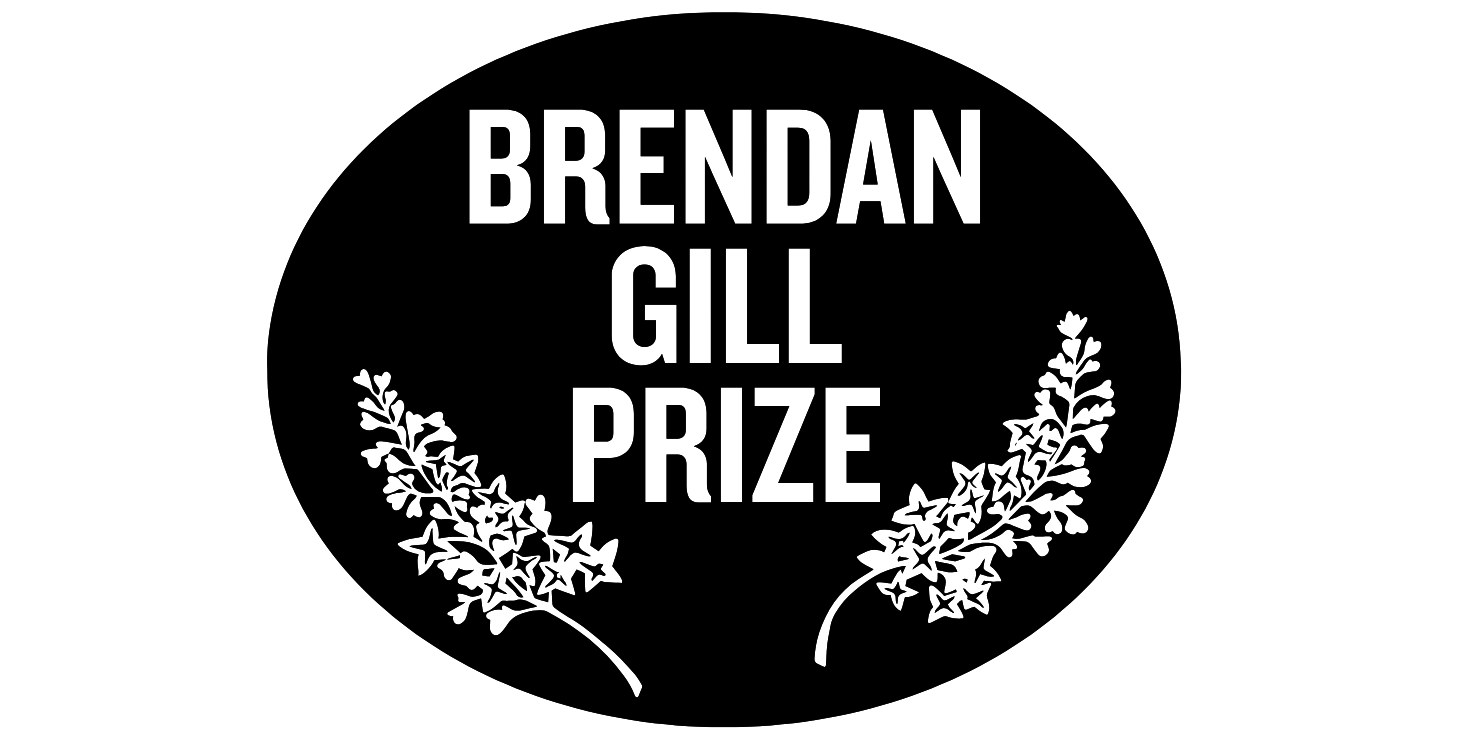
Saving Saint Bartholomew’s Church
MAS successfully appeals a lower court decision that would have allowed the landmark St. Bartholomew’s Church on Park Avenue to demolish its Community House and garden, replacing them with an office tower. The decision affirms the power of the City’s Landmarks Law over sacred sites.
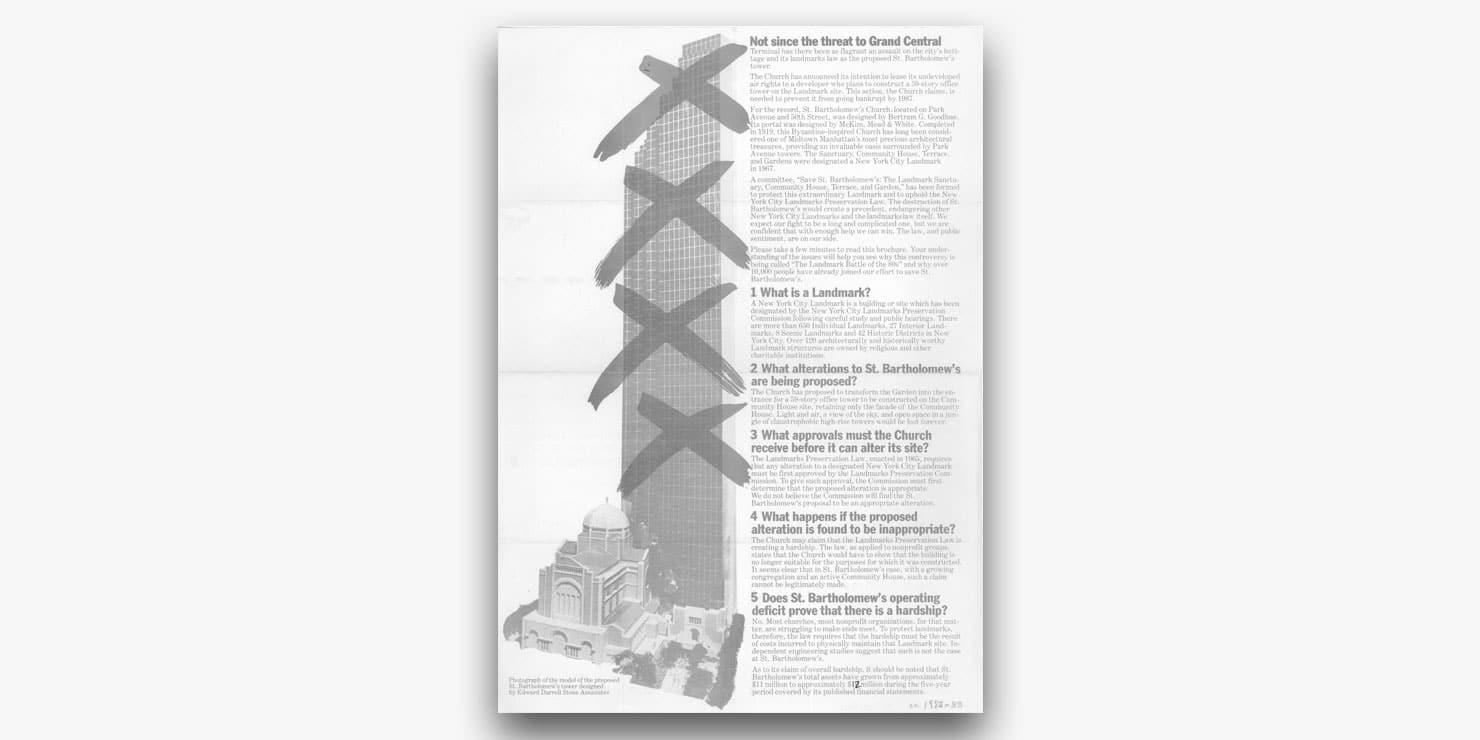
Protecting Public Art through Adopt-A-Mural
Following the success of Adopt-A-Monument, MAS launches its sister program Adopt-A-Mural. Together, the programs have raised more than $5 million to conserve and maintain 51 works of public art across all five boroughs.
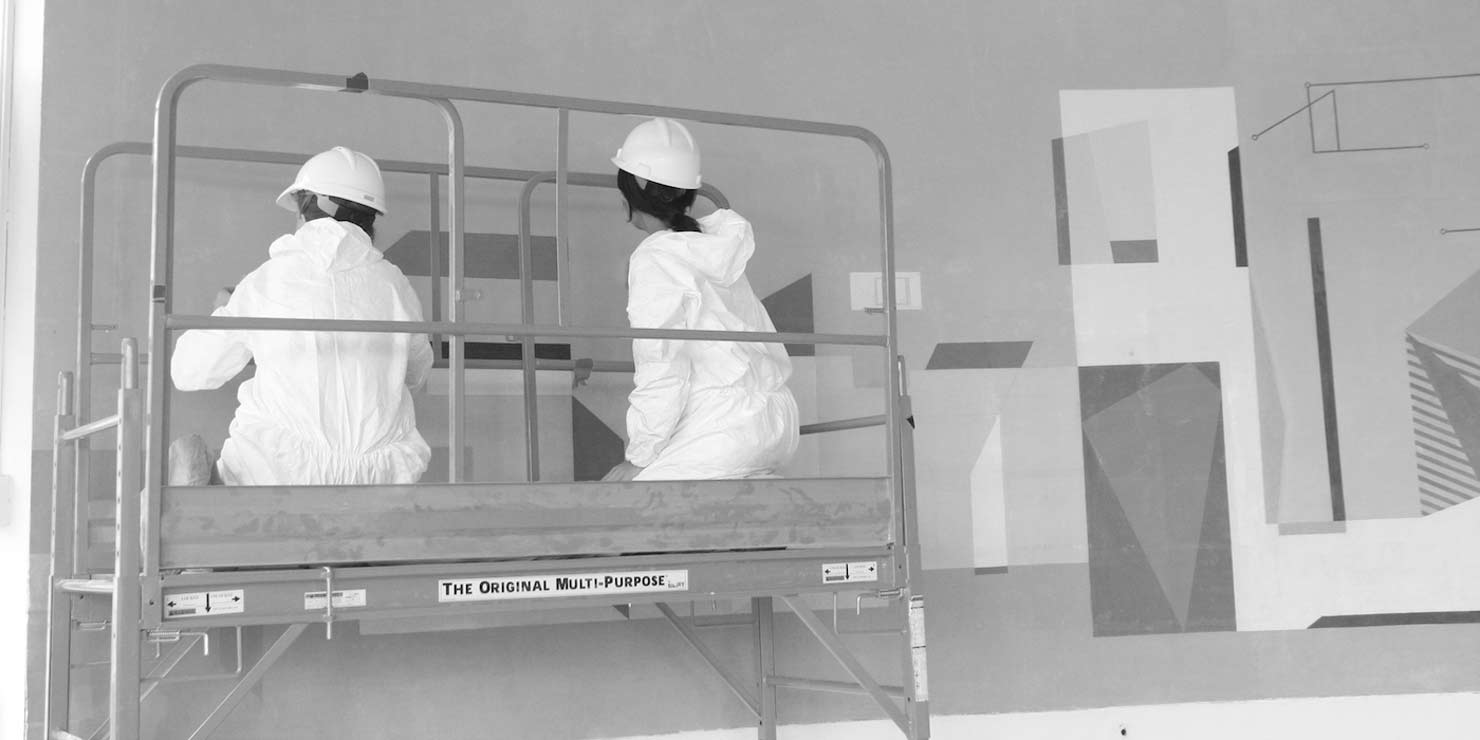
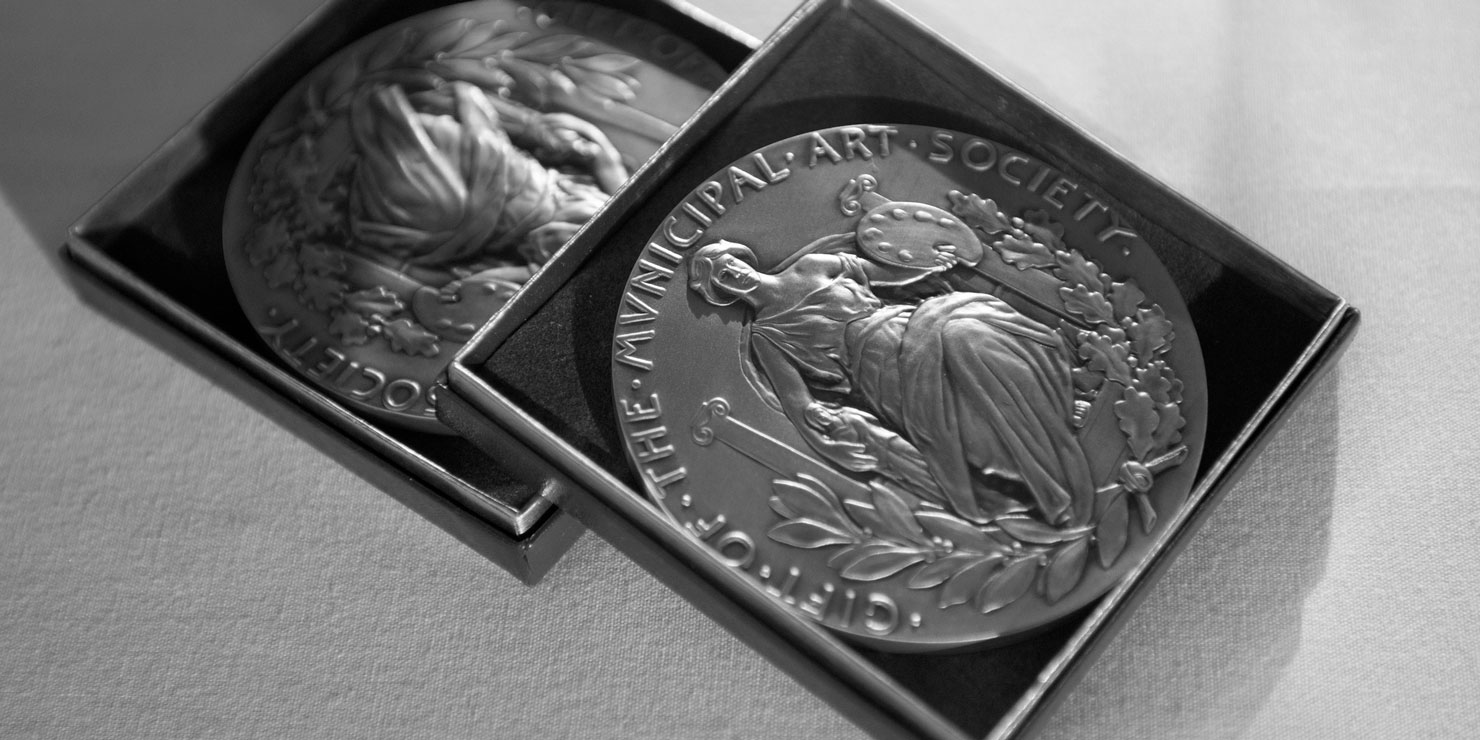
Establishing the Jacqueline Kennedy Onassis Medal
MAS establishes the annual Jacqueline Kennedy Onassis Medal to honor individuals and organizations that have made an extraordinary impact on the quality of New York’s built environment. The inaugural Medal is presented to New Yorker theater and architecture critic Brendan Gill.
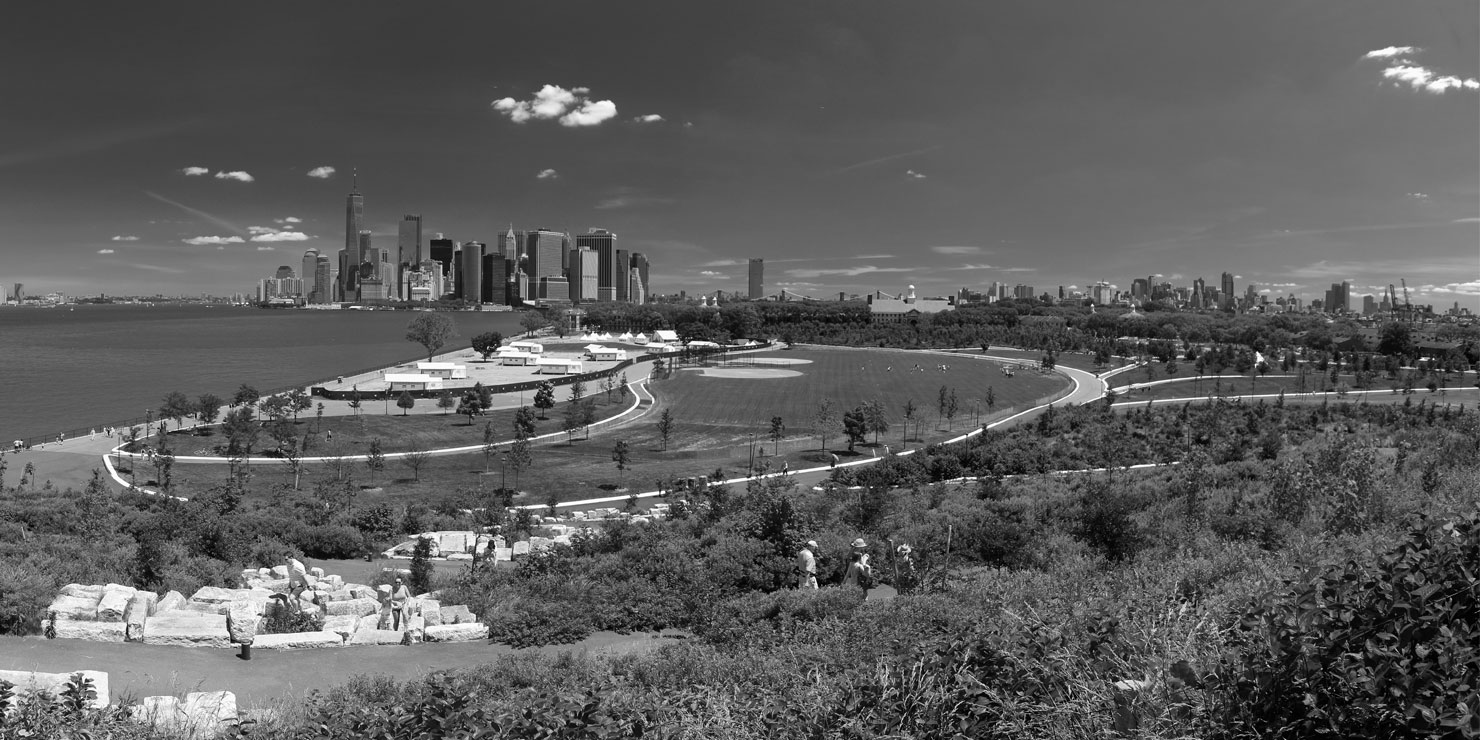
Opening up Governors Island
MAS advocates for the creation of Governors Island as a public park shortly after the United States Coast Guard base is closed.
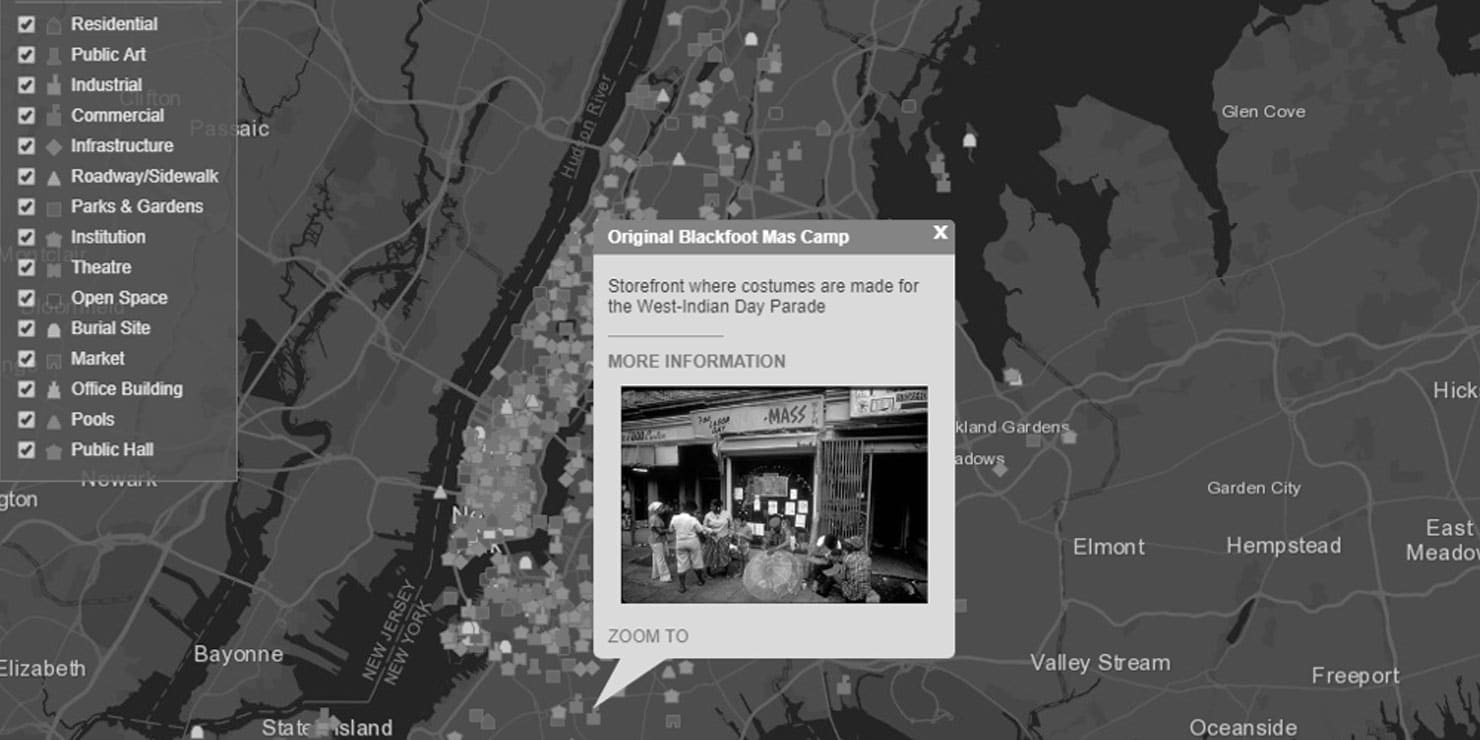
Creating “Place Matters”
MAS and City Lore establish Place Matters, an organization that fosters the celebration of New York City’s culturally significant places, from bodegas to barber shops.
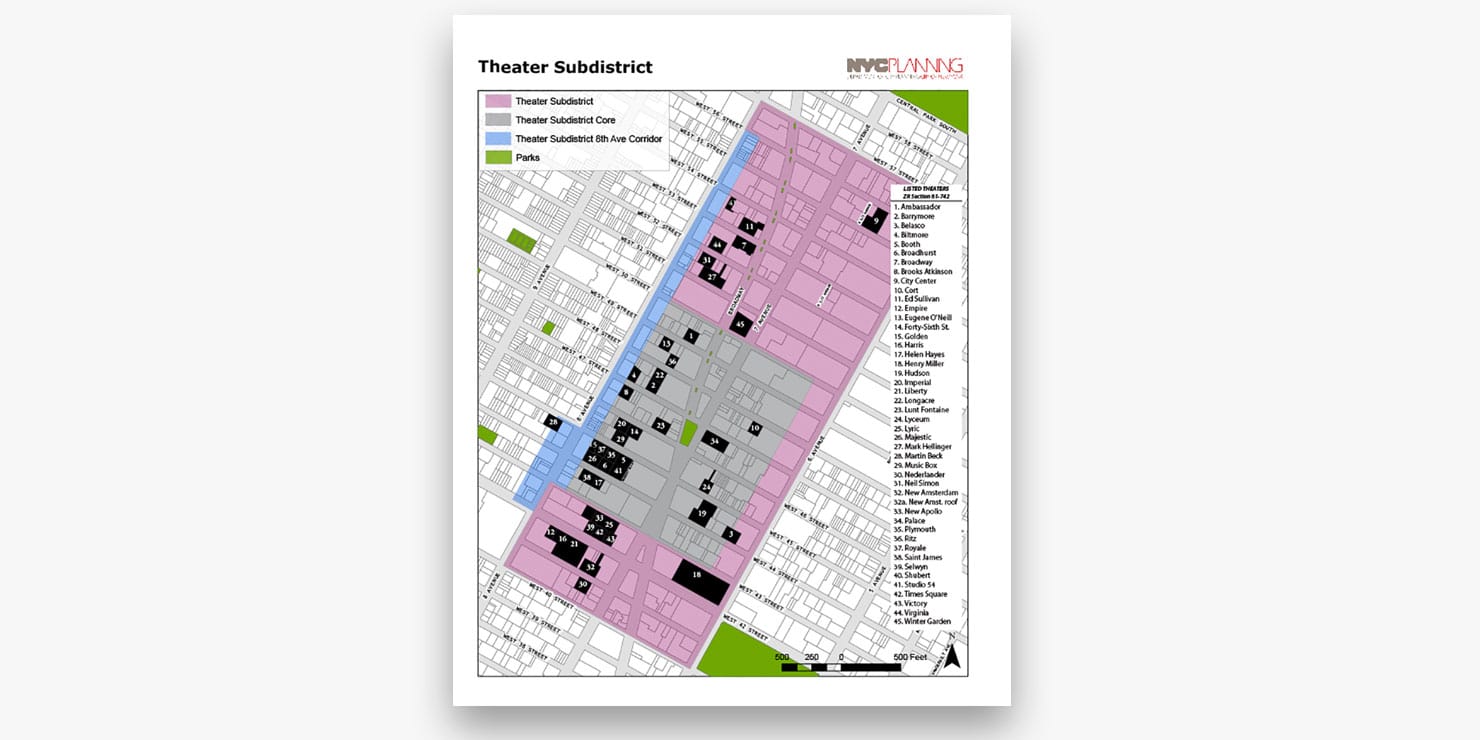
Creating New Tools for Preservation
After more than a decade of advocacy by MAS and partners, the City updated the subdistrict zoning for Times Square to allow for district-wide air rights transfers, as a tool for preserving the neighborhood’s low-rise historic theaters.
Spurring the Creation of Fresh Kills Park
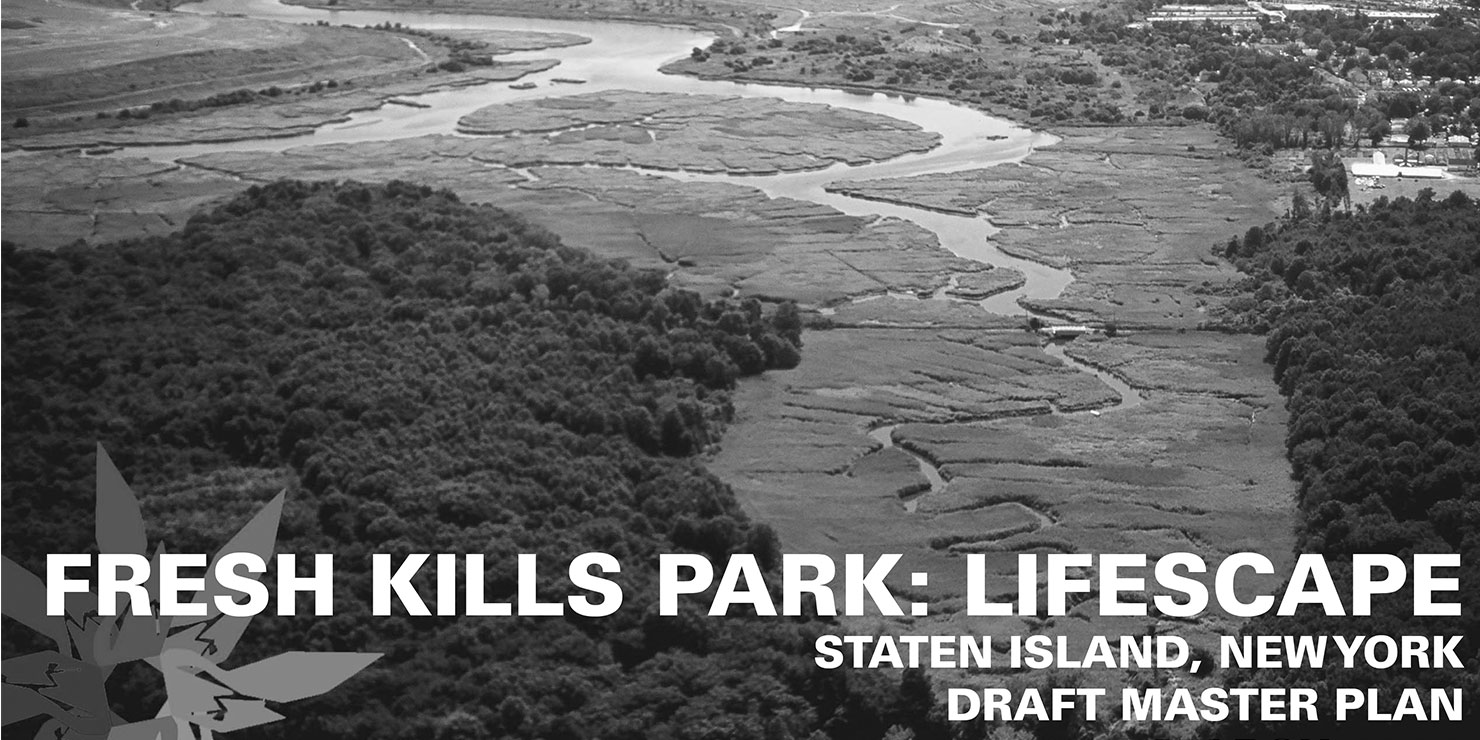
Seeking to increase the city’s parkland, MAS collaborated with New York City in 1999 to sponsor an international design competition for the reclamation of Staten Island’s Fresh Kills Landfill, the world’s largest such facility. Built in phases through 2036, the 2,200-acre Fresh Kills Park will be almost three times the size of Central Park and the largest park developed in New York City in over 100 years.
Promoting the Preservation and Reuse of the High Line
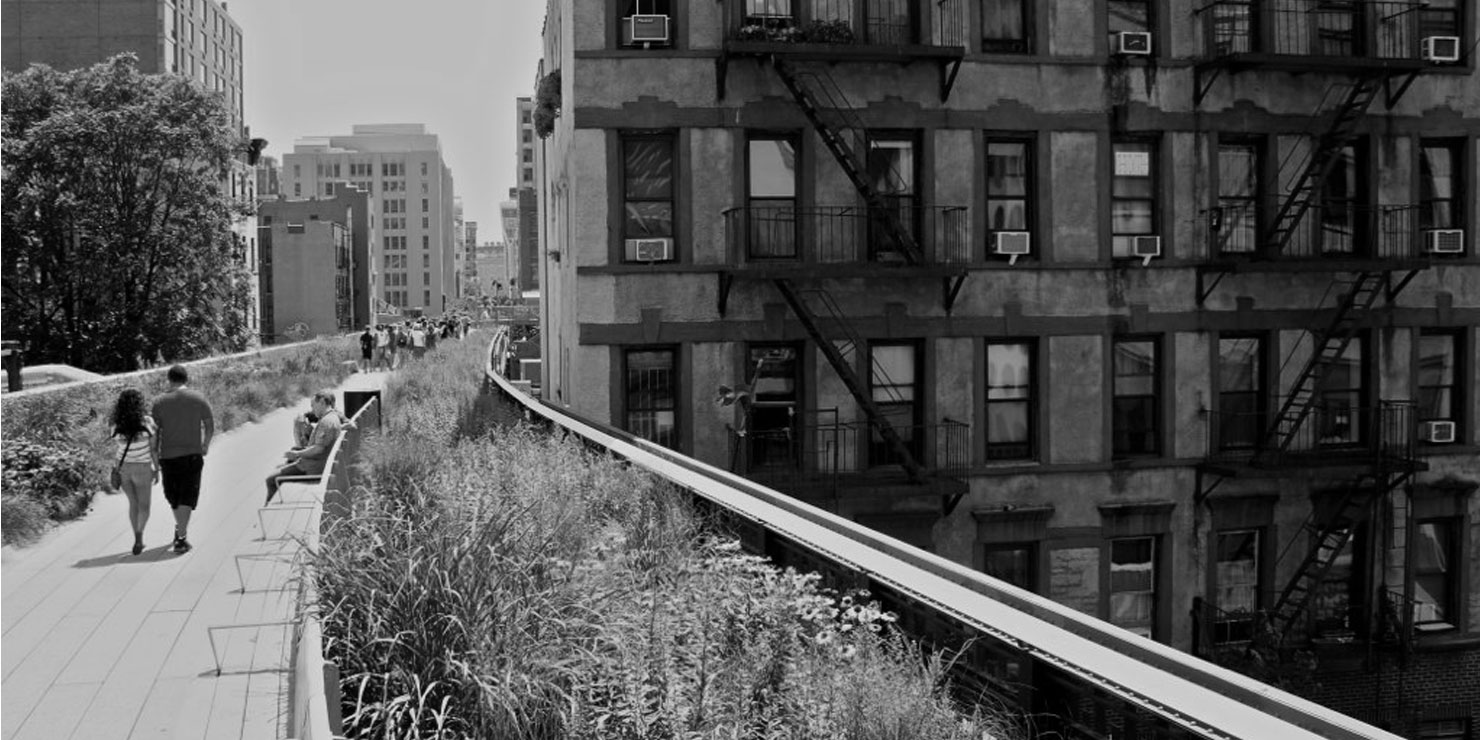
MAS advocates for the reclamation and preservation of the High Line, an abandoned spur of the New York Central Railroad line, now an icon of contemporary landscape architecture.
Imagining New York
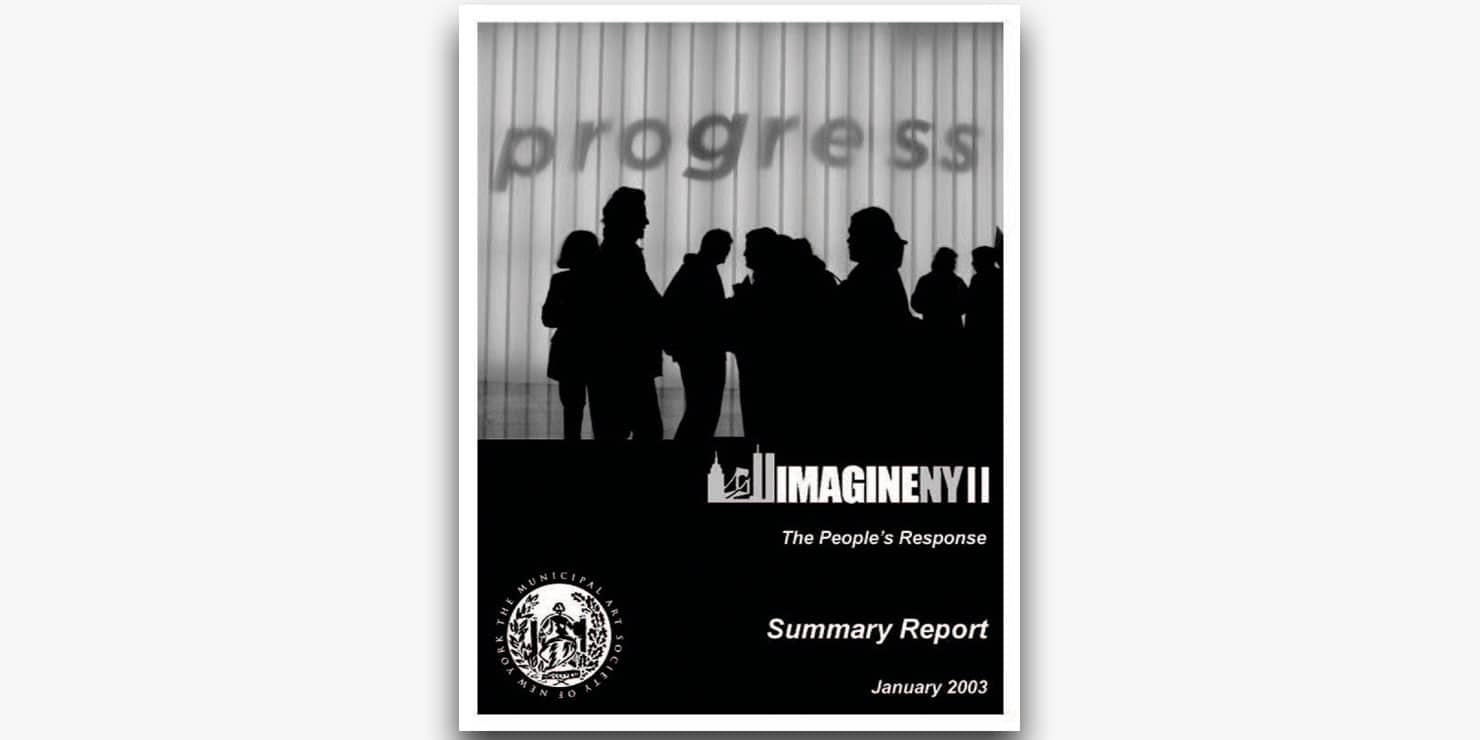
MAS launches Imagine New York, a series of public workshops to explore how to commemorate the September 11, 2001 terrorist attack on the World Trade Center.
The Tribute in Light
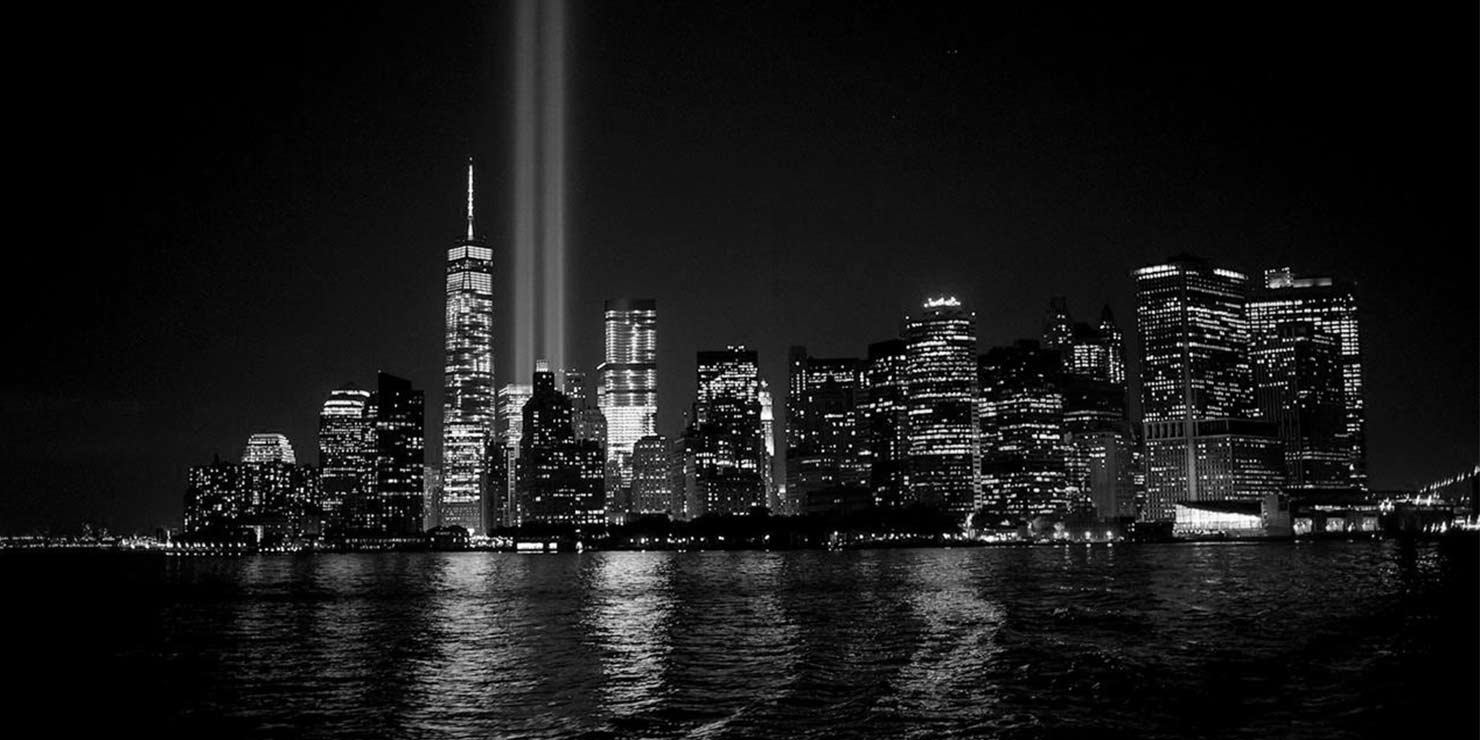
In the fall of 2001, MAS brings together a team of artists and designers in partnership with Creative Time to create a memorial to the victims of September 11. The Tribute in Light debuted on the six month anniversary of the attacks and MAS continued to produce Tribute in Light each September for the next decade. In 2011, MAS transferred the project to the newly-opened National September 11 Memorial & Museum, which has continued to present it annually on the anniversary of the attacks.
Training CITI Youth
MAS’s Planning Center establishes a training program to provide Community Boards with local youth “mapping technicians” as part of the Community Information Technology Initiative (CITI).

MAS Launches the Metropolitan Waterfront Alliance
Following six years of coalition building and advocacy that includes successfully championing a waterfront committee of the City Council, MAS launches the Metropolitan Waterfront Alliance as a new organization.
Livable Neighborhoods Program Launched
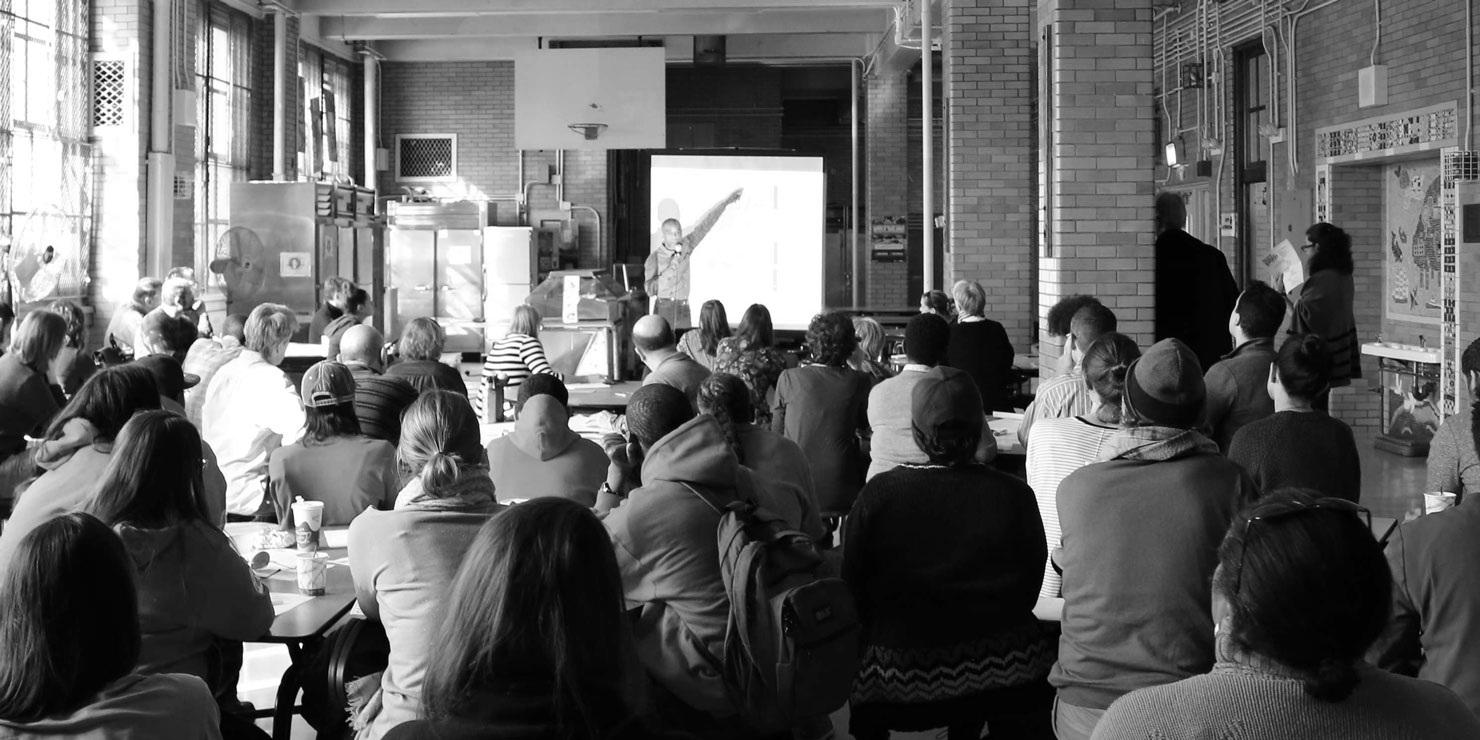
Founded on the principle that community involvement is essential to successful city planning, the MAS Livable Neighborhoods Program (LNP) helps local leaders in under-resourced communities develop the knowledge and tools that they need to participate effectively in public land use review processes and engage in creative, community-based design and planning. In its first decade, LNP trained neighborhood advocates in Port Richmond, Red Hook, Brownsville, Flatbush, Flushing, Corona/Elmhurst, Mott Haven, Jerome Avenue, Bedford Park, and more.
Preserving Admiral’s Row
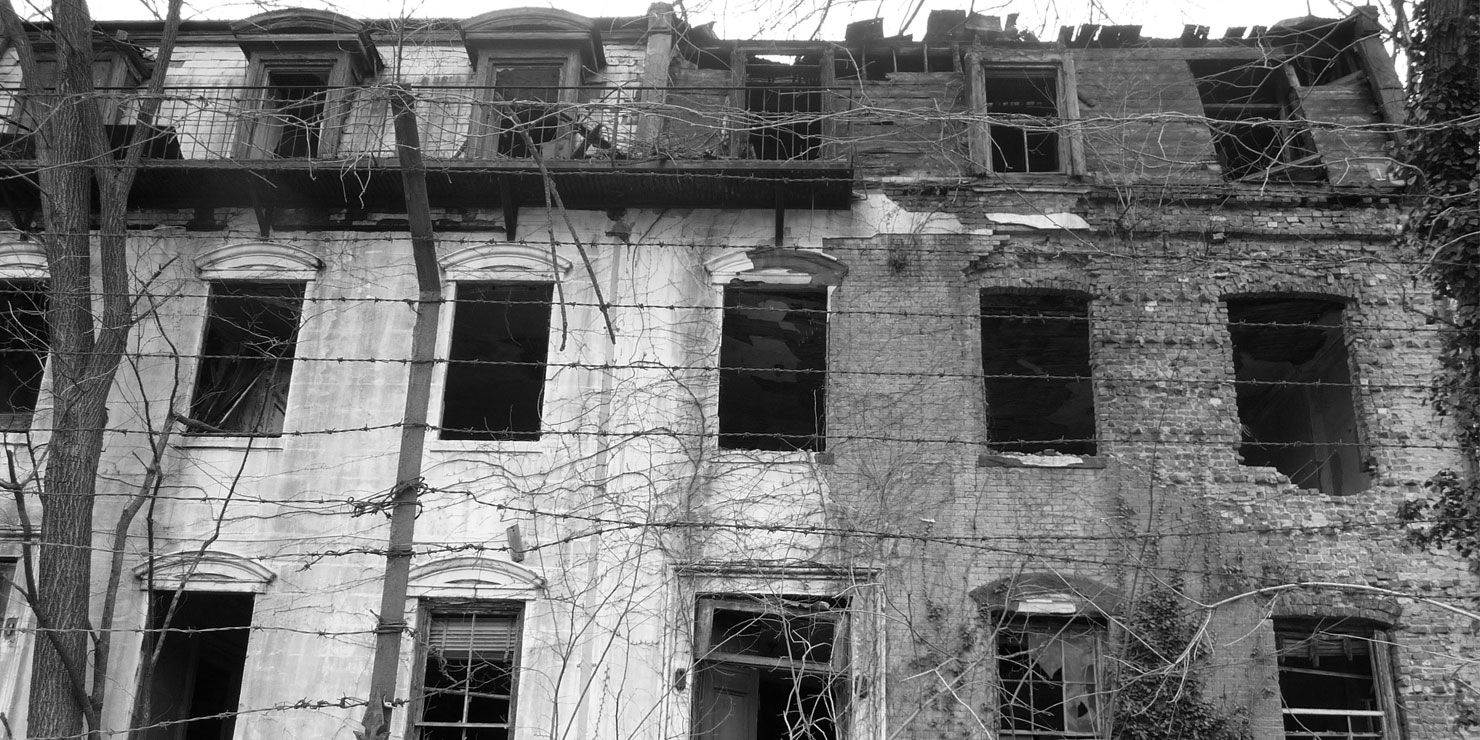
MAS brings together community representatives, architects, preservationists, and other experts in a visioning session to develop alternatives to the proposed demolition of Admiral’s Row, a collection of 11 historic buildings located on the edge of the Brooklyn Navy Yard.
Imagining Coney Island
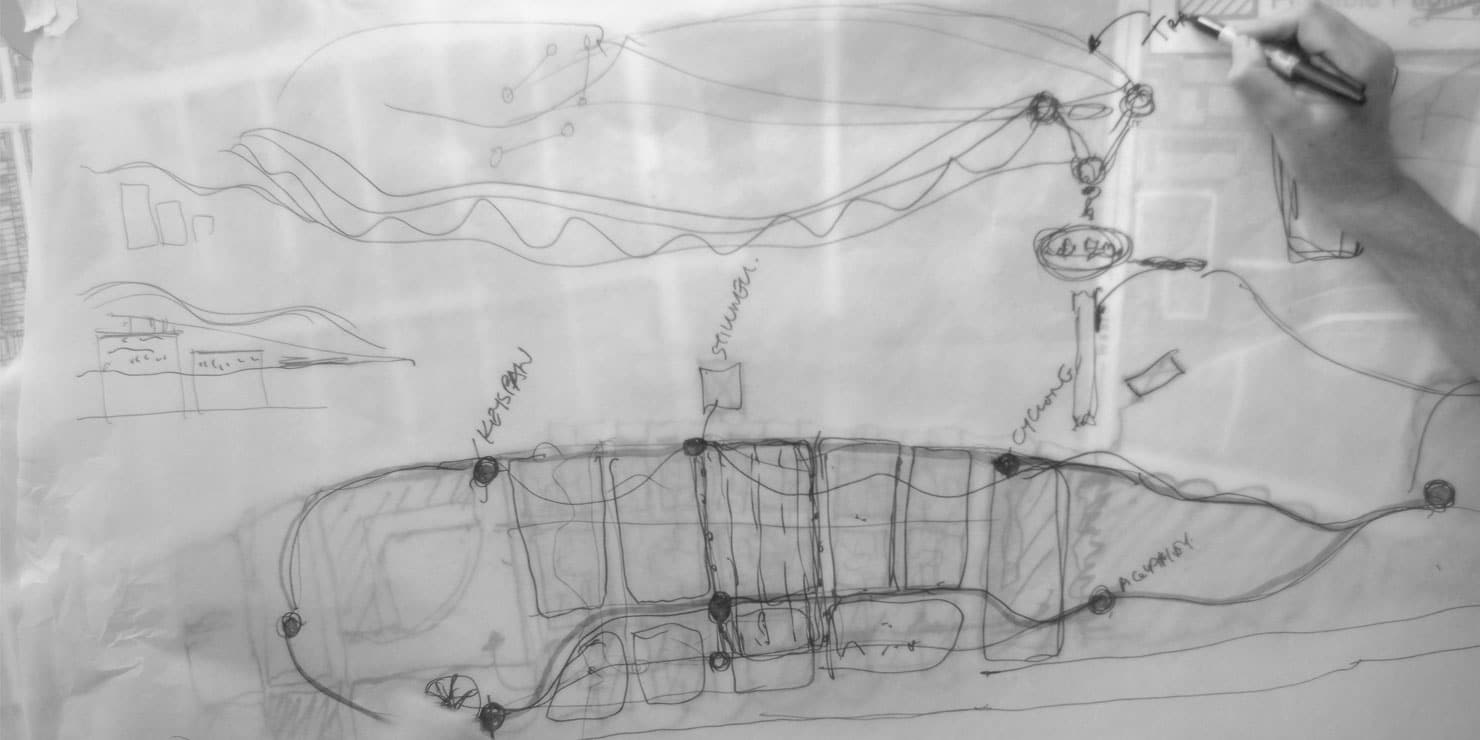
MAS launched an initiative called Imagine Coney, working with local stakeholders and an international team of architects, amusement designers, and economists to hold public workshops that would develop new ideas for the design and programming of Coney Island.
Imagining Flatbush
MAS partners with the Flatbush Development Corporation in the creation of Imagine Flatbush 2030, an initiative to help bridge the gap between Mayor Bloomberg’s PlaNYC’s sustainability goals and consensus-driven community-based planning.
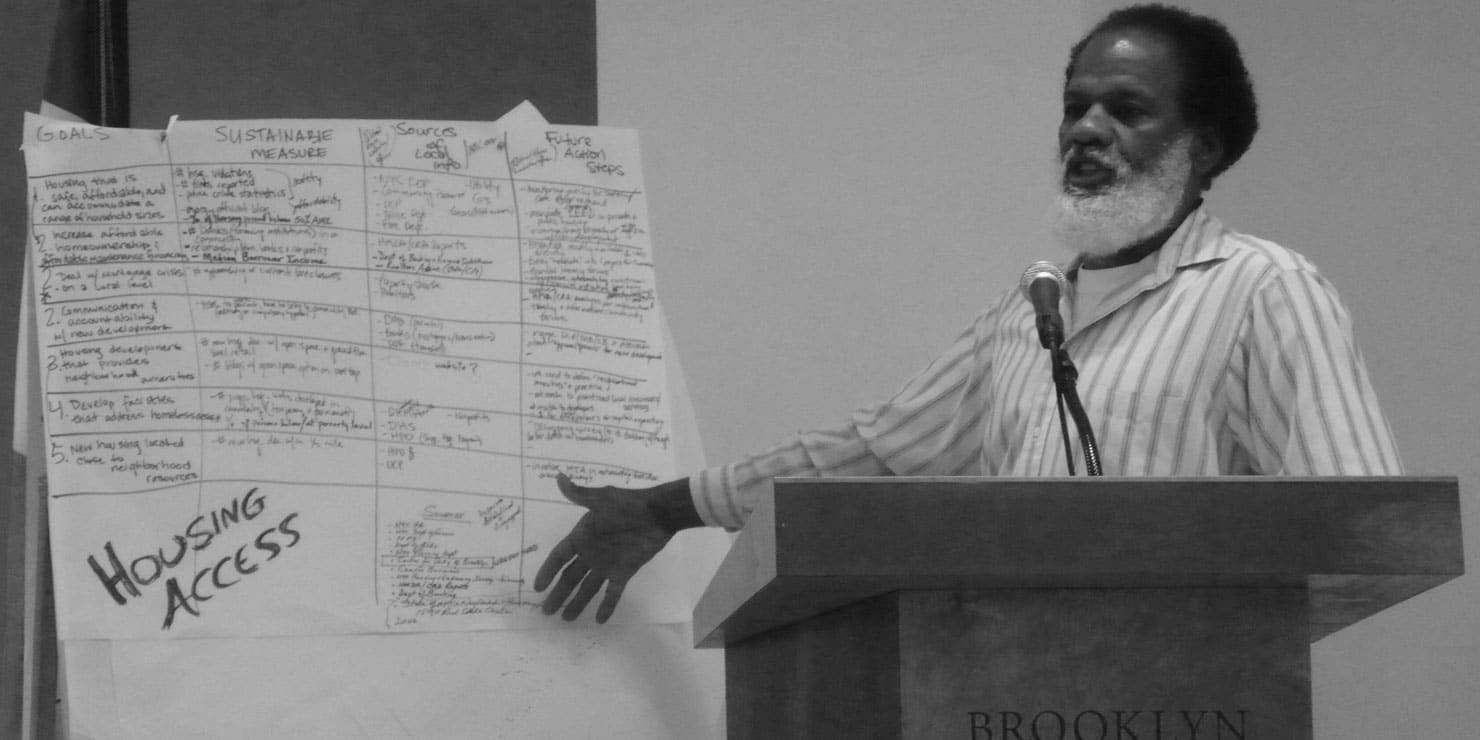
Fashioning the Future: NYC’s Garment District
MAS launches a campaign to protect the Garment District, one of Manhattan’s last industrial hubs, from a Bloomberg administration proposal to rezone the neighborhood. This advocacy led to the release of a report highlighting the continued importance of the district and presenting case studies, new data, historical records, and policy recommendations to create a vision forward for the neighborhood.
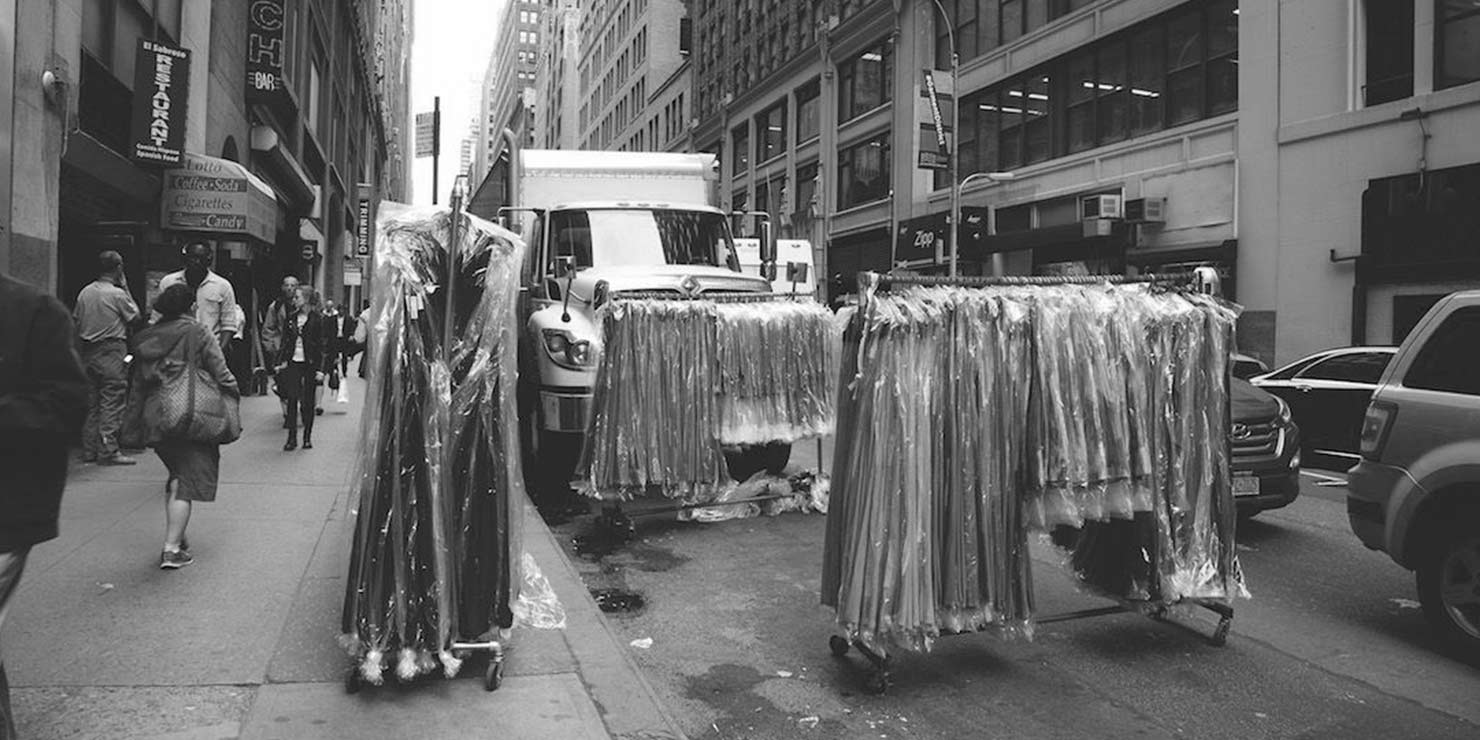
Founding the Summit for New York City
MAS hosts its first Summit, an annual symposium that connects policy-makers, industry leaders, and engaged citizens in a dialogue about contemporary civic issues.
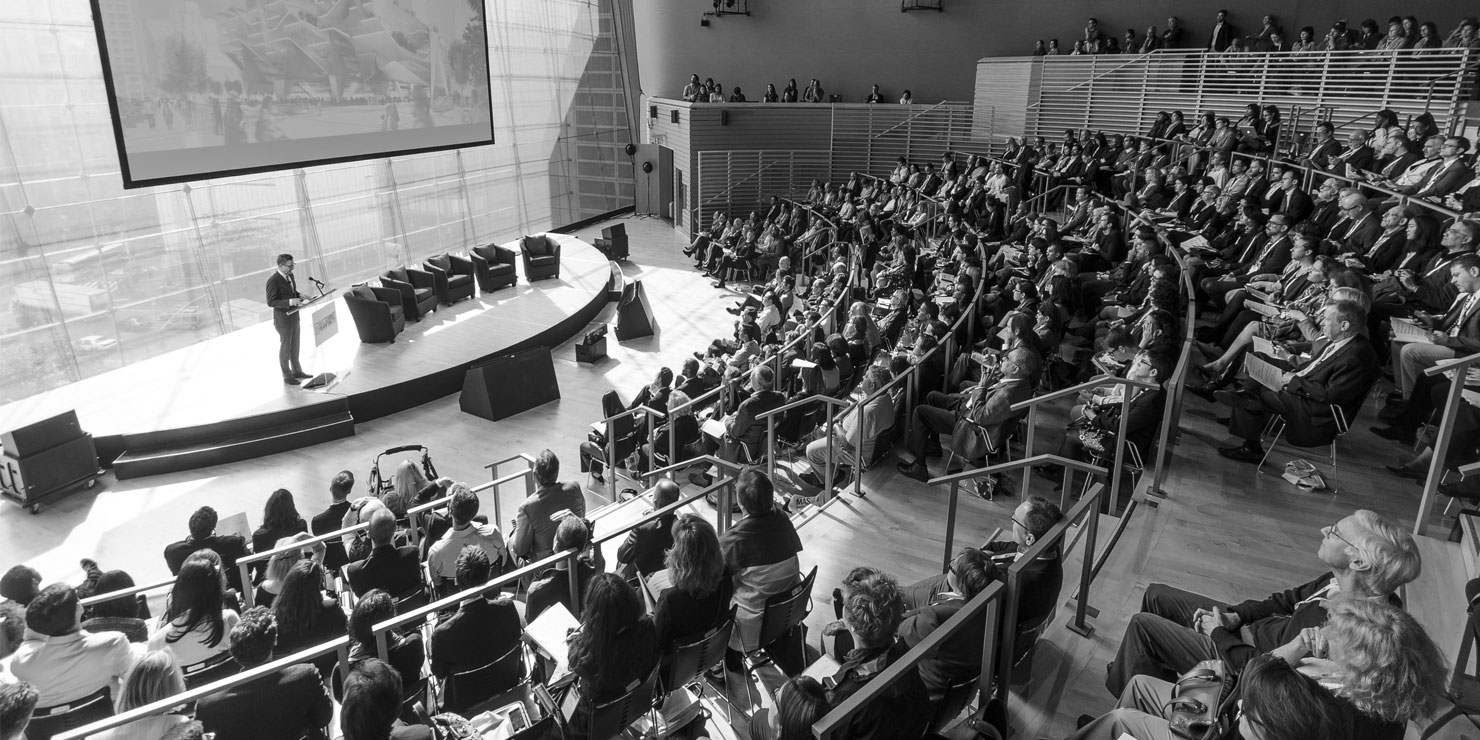
Jane’s Walk NYC
On May 7 and 8, MAS organizes the first annual Jane’s Walk NYC, a weekend of free citizen-led “walking conversations” honoring activist Jane Jacobs. Today, the New York festival is the largest Jane’s Walk in the world, bringing thousands of New Yorkers onto the streets for more than 200+ walks around the five boroughs.
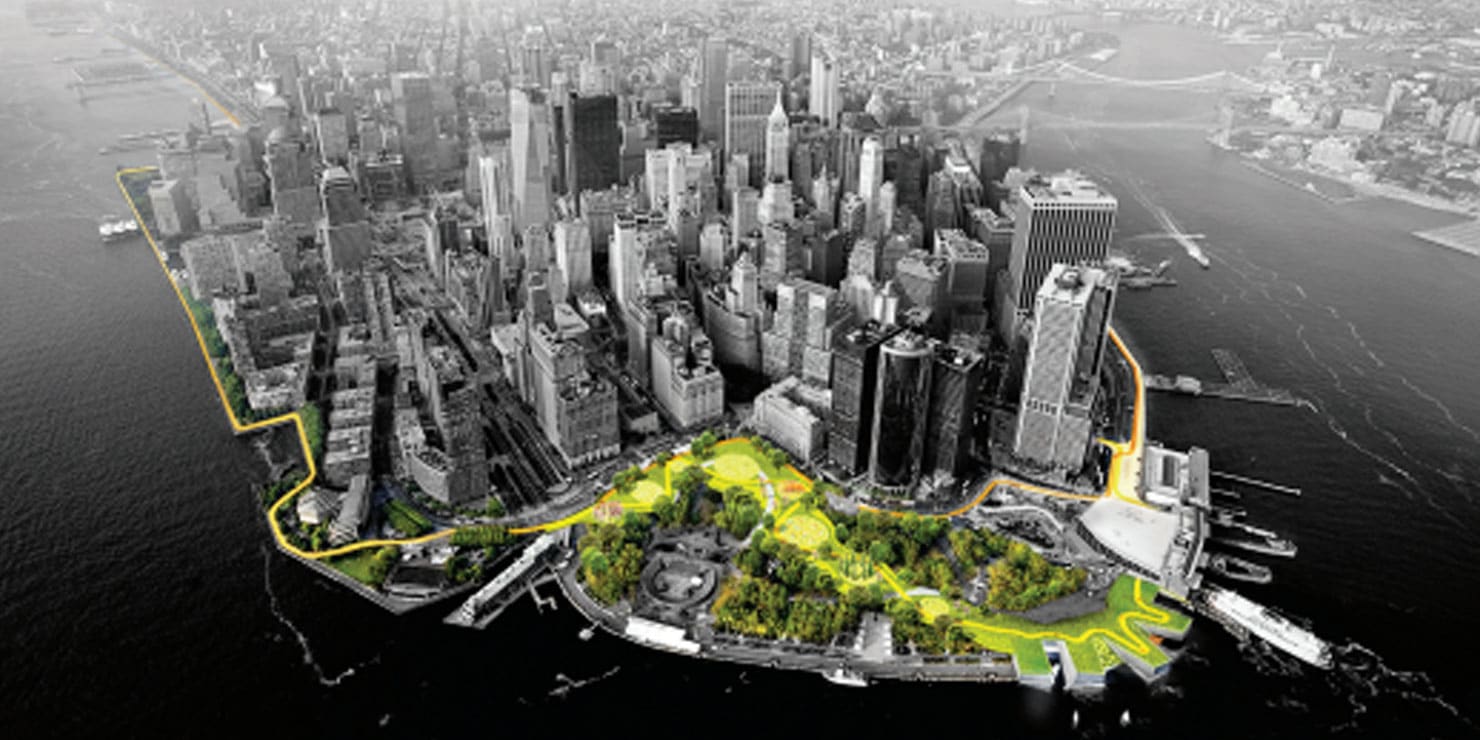
Rebuild by Design
In the wake of Hurricane Sandy, MAS partners with three fellow New York City-based planning organizations to create an alternative model for how the federal government can respond to disasters and how regions other than New York can prepare for climate change uncertainties.
Greening New York City’s Historic Buildings
In partnership with the Landmarks Preservation Commission, MAS publishes Greening New York City’s Historic Buildings, a manual to help property owners and managers improve the energy efficiency of small historic buildings without impacting their character.
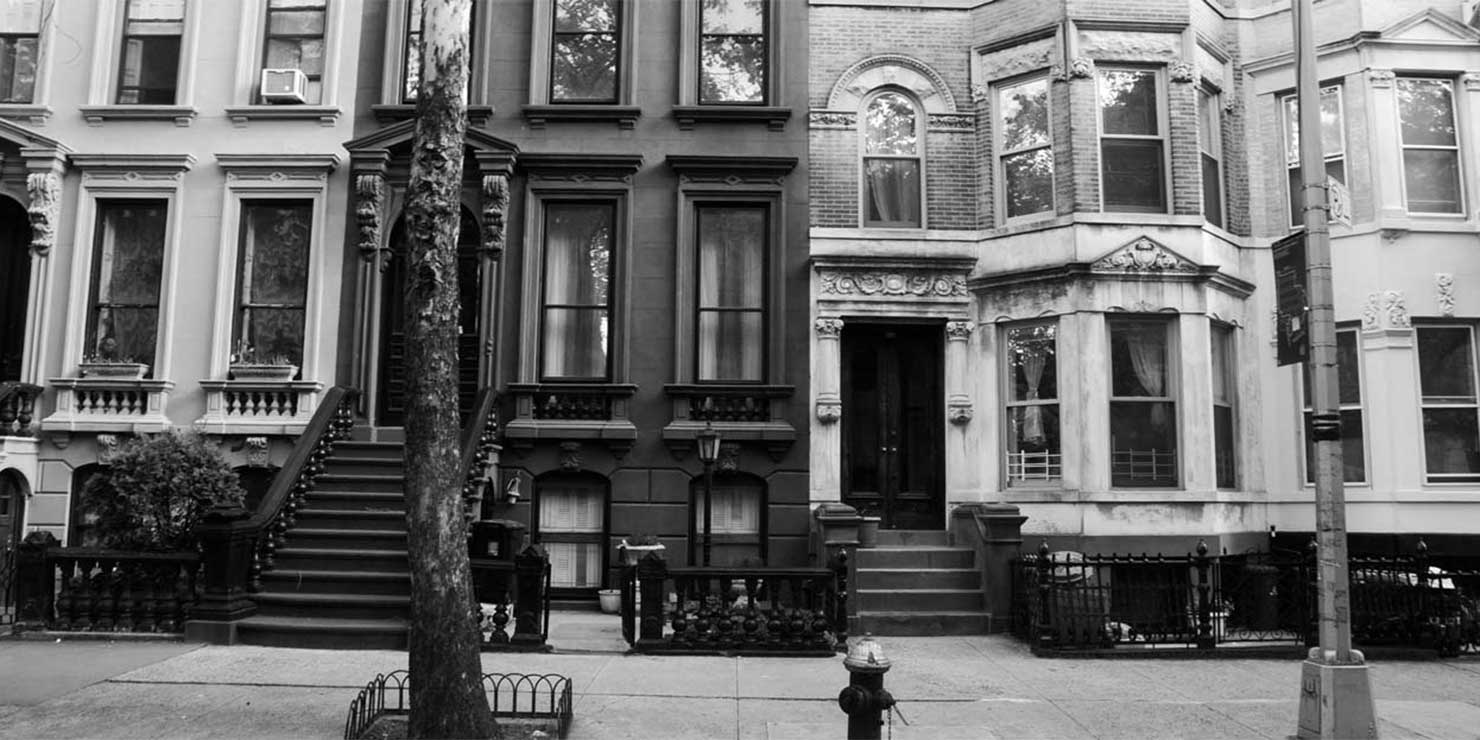
Advocates for Privately Owned Public Space (APOPS)
Drawing on over a decade of research, MAS partners with Jerold Kayden to launch APOPS, an advocacy campaign to better activate the city’s 500+ privately owned public spaces. The book builds on Mr. Kayden’s 2000 book, Privately Owned Public Space: The New York Experience, published by MAS.
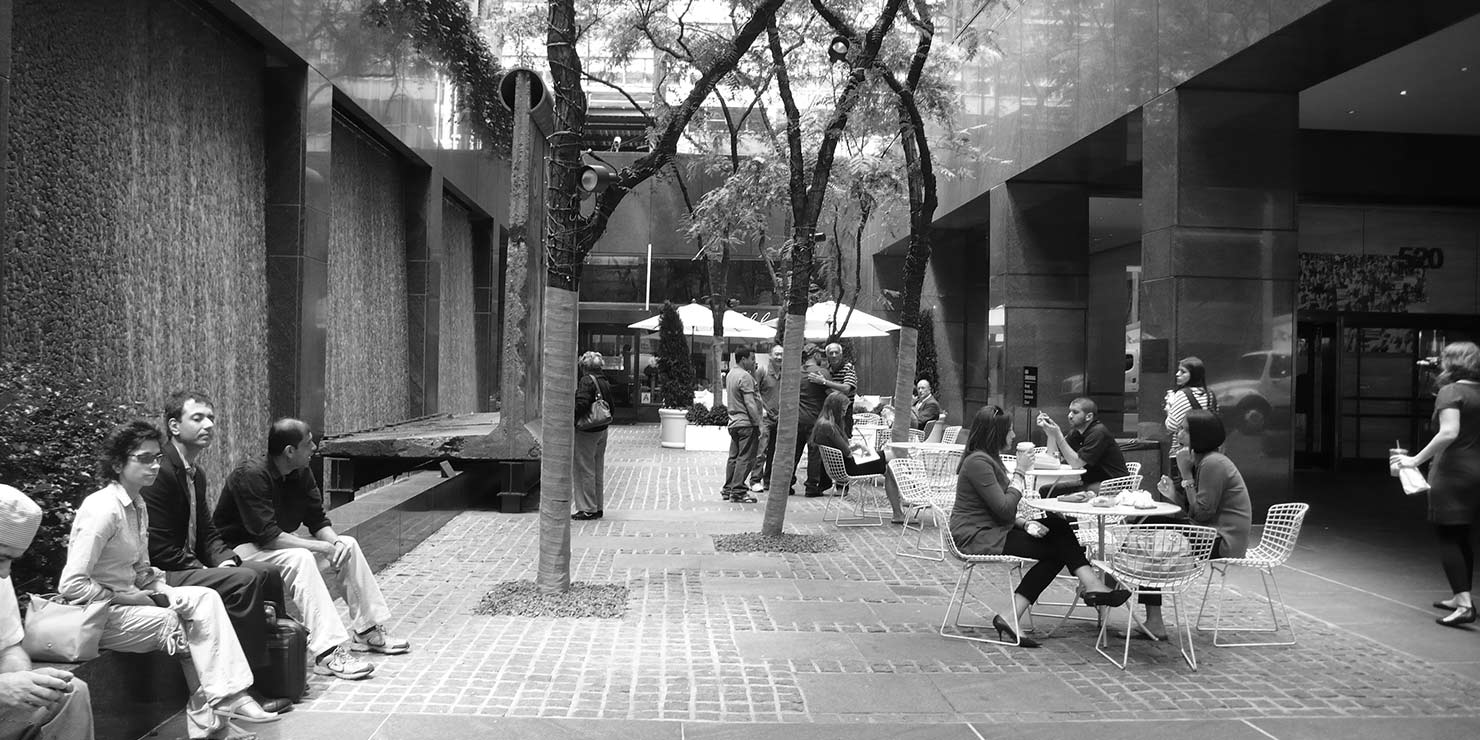
City Council Votes to Limit Madison Square Garden’s Permit at Penn Station
In the summer of 2013, at the urging of MAS, our partners at Regional Plan Association, and many others, the New York City Council votes to limit Madison Square Garden’s permit to operate on top of Penn Station to just ten more years. The decision represents a historic opportunity to shape the future of Manhattan’s west side and ensure the economic health of the city and the region. Over the next several years, the Penn 2023 coalition would release three reports analyzing the future of Penn, the Garden, and West Midtown.
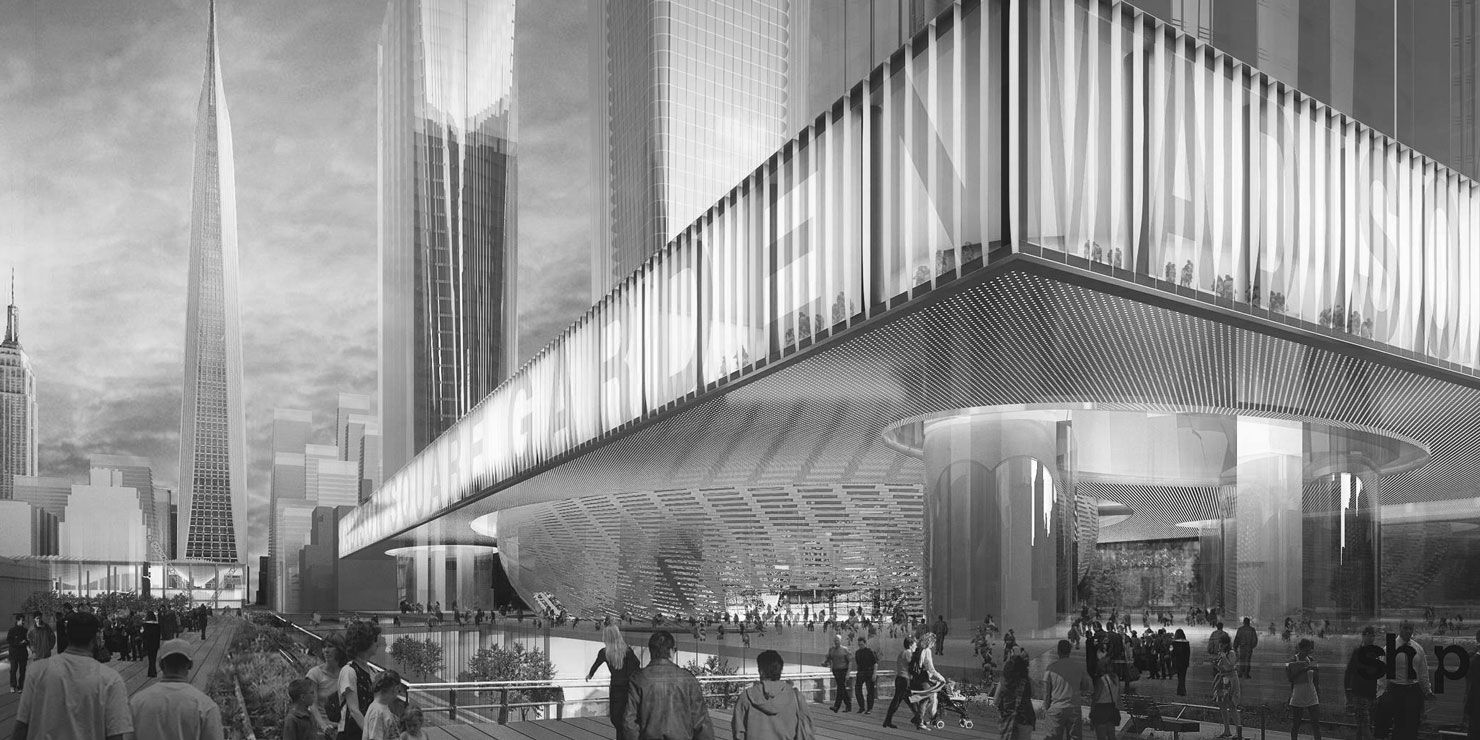
The Accidental Skyline Project Pulls Back the Veil on Supertalls
MAS releases a first-of-its-kind analysis of the impact of supertall towers, raising the alarm about the need for new rules and regulations to protect public assets like light, air, open space, and the character of the city’s neighborhoods from out-of-scale development. In October 2017, the organization released a follow-up report outlining a detailed agenda for achieving these reforms.
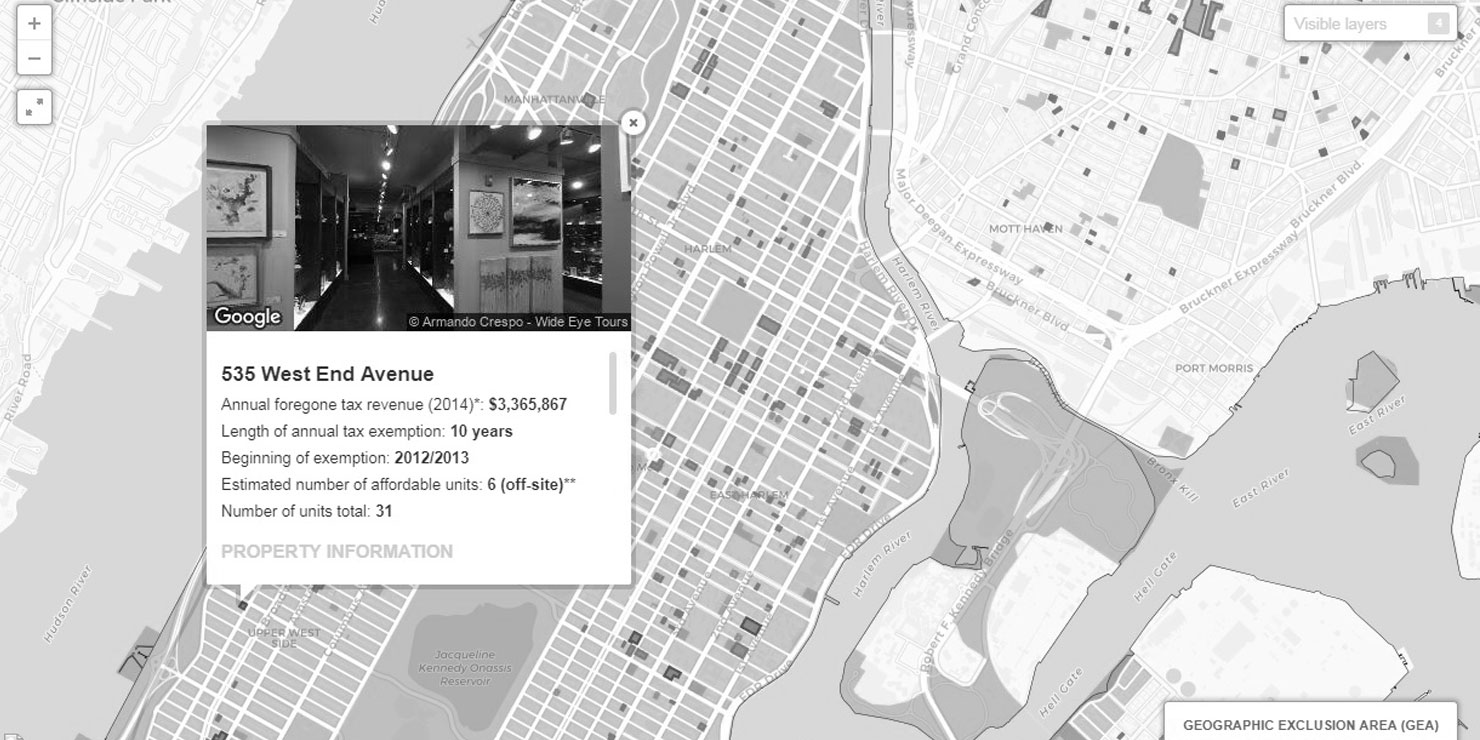
Analyzing the 421-a Tax Exemption
MAS releases a first-ever interactive tool mapping the impact of one of New York City’s most expensive housing incentive programs. The analysis shows that the City forfeited more than $1.1 billion in tax revenue through the program in 2014, 60% of which (nearly $670 million) subsidized buildings in Manhattan.
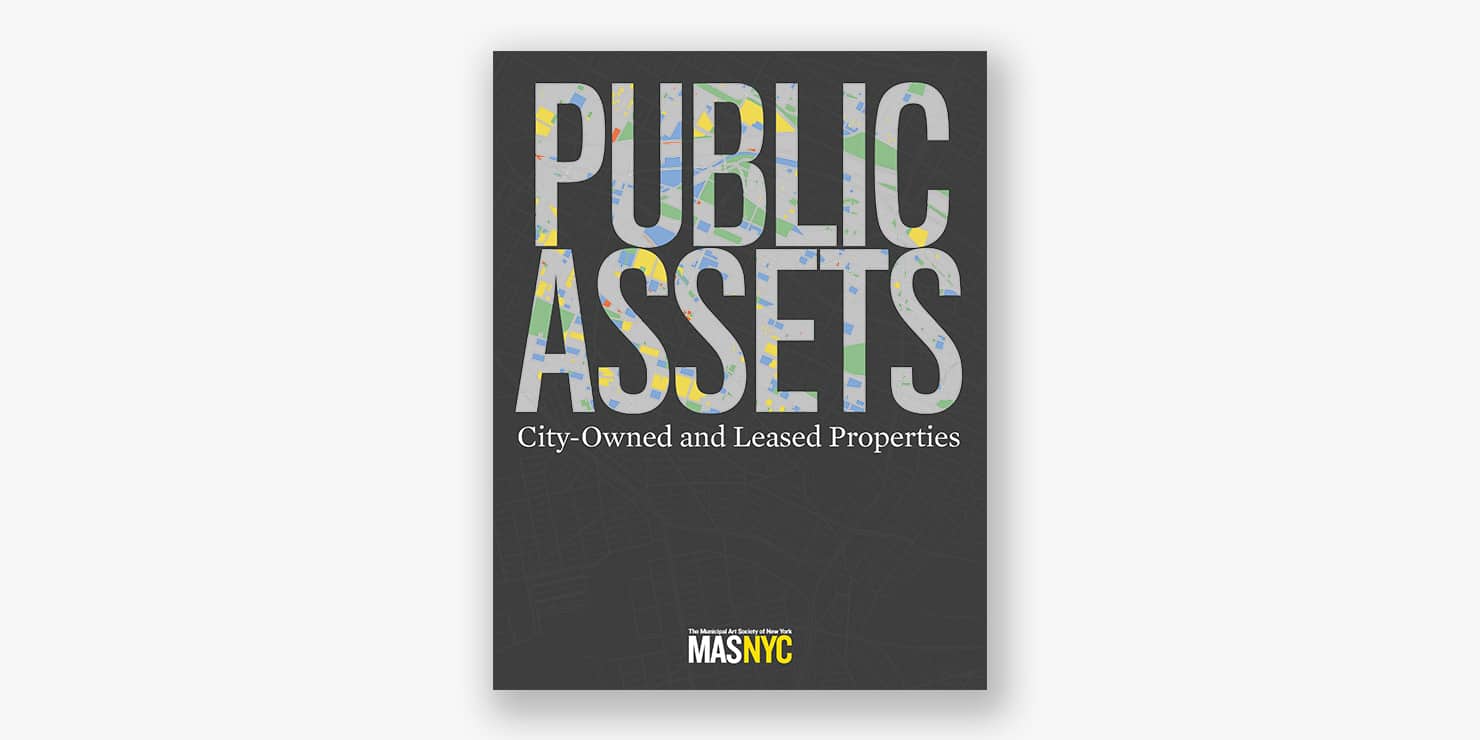
Mapping the Sixth Borough of New York
MAS releases ground-breaking mapping tool that empowers decision makers, planners, and the public to identify opportunities for improving, protecting, and utilizing the 14,000 properties owned or leased by the City of New York–a public asset roughly the size of the Borough of Brooklyn. The accompanying report reveals that an area more than double the size of Central Park is classified by the city as having no current use.
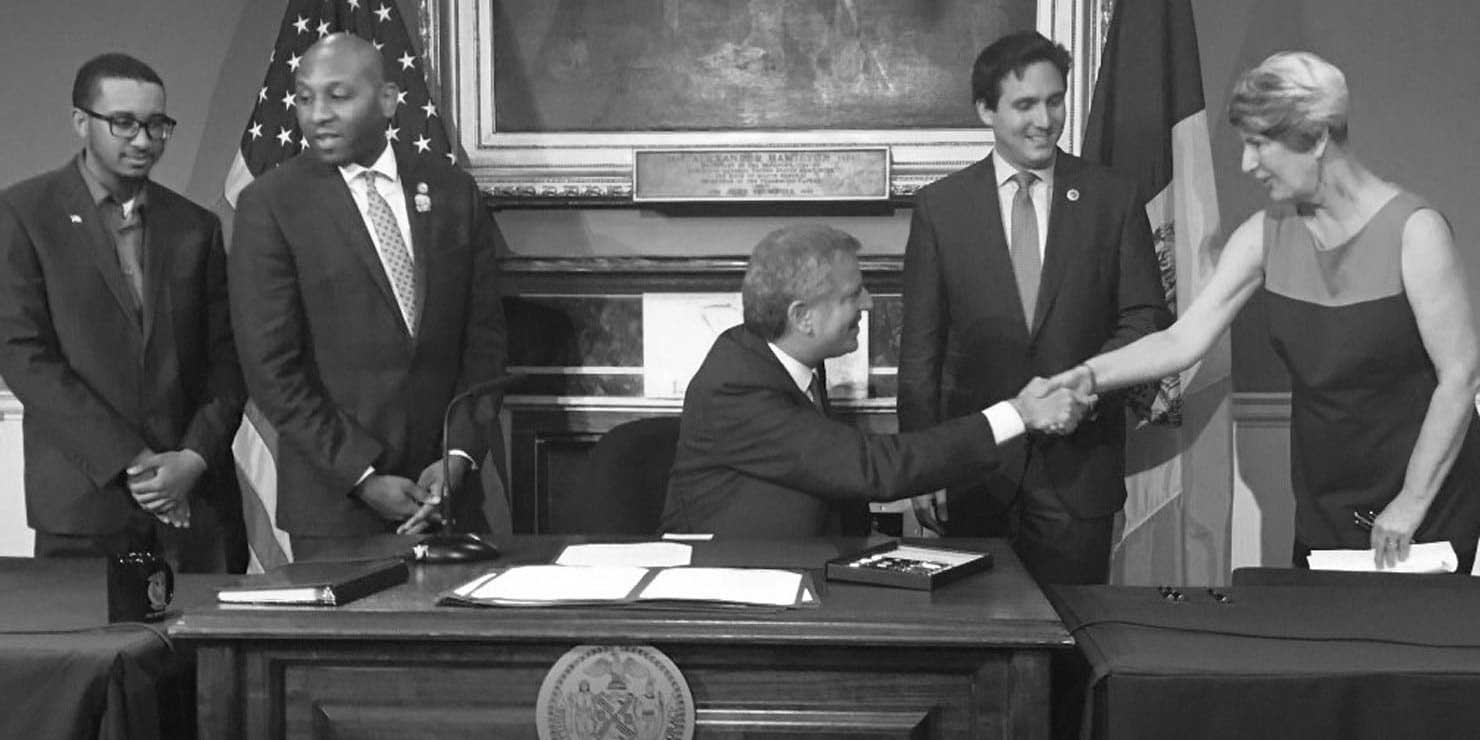
Sweeping Reforms to the Board of Standards and Appeals
In May 2017, the New York City Council passed a series of reforms to the Board of Standards and Appeals zoning variance process that enact reforms long called for by MAS. In 1976 and 2004, MAS released landmark studies identifying abuse and misuse of the variance process, which effectively resulted in the rezoning of certain communities, without taking into account the cumulative impacts on light and air, traffic, parking, school capacity, and other city services.
Mapping Changes to Historic Properties
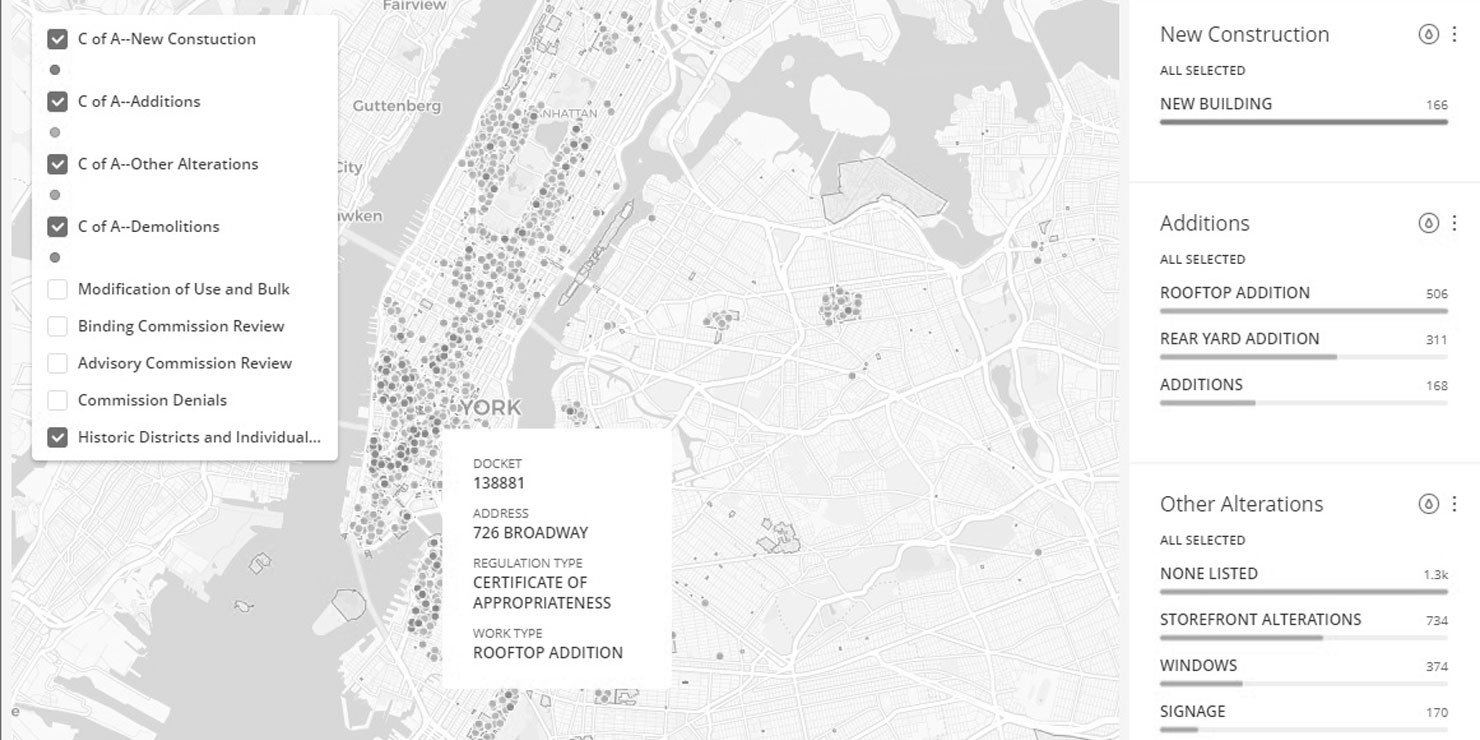
MAS creates a pair of interactive maps to inform preservation professionals and members of the public about how the Landmarks Preservation Commission processes and approves applications to modify designated buildings.
Celebrating 125 Years of Advocacy on Behalf of New York and New Yorkers
For 125 years, the Municipal Art Society of New York (MAS) has worked to educate and inspire New Yorkers to engage in the betterment of our city. We hope you will join us in honoring the generations of MAS board, staff, and members whose dedication made these victories possible.
Fight for Light
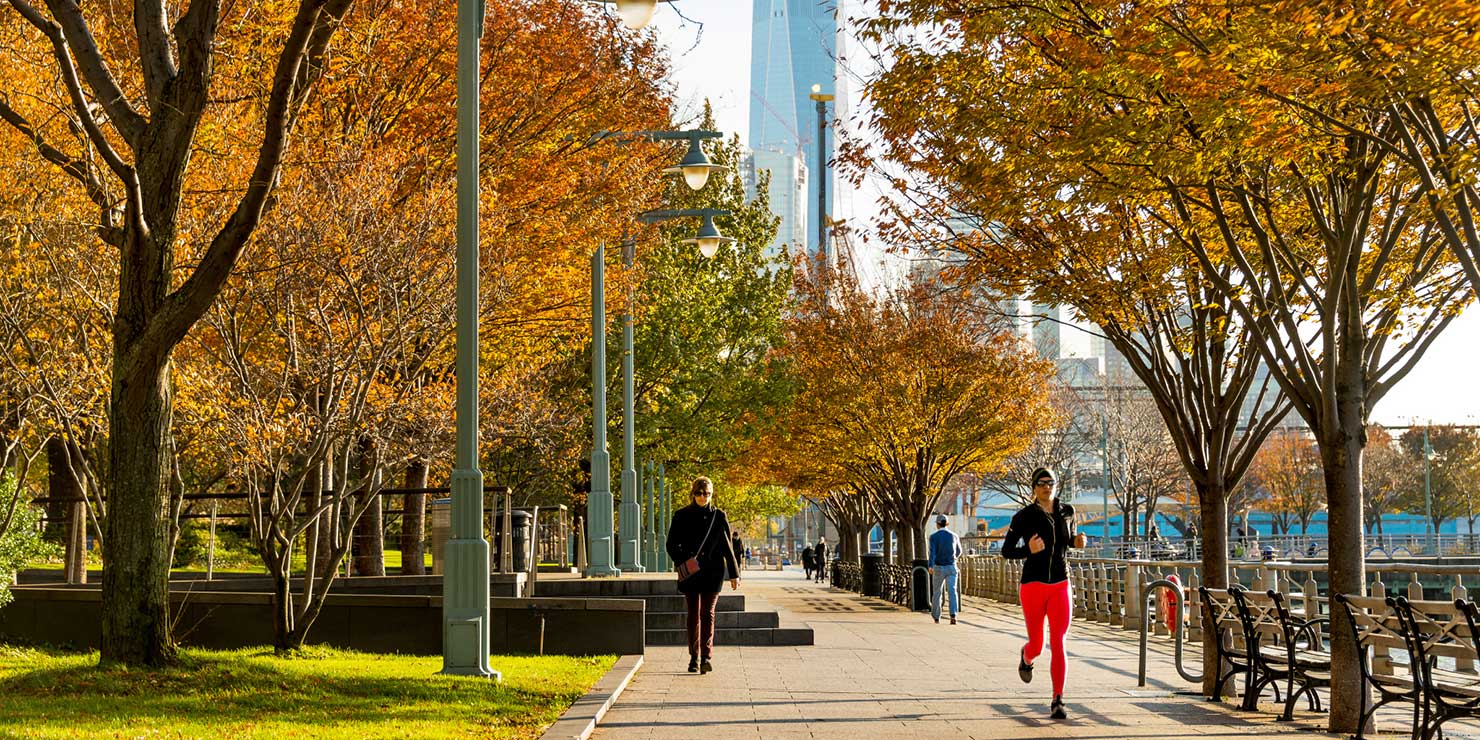
At the 10th Annual Summit for New York City, MAS and New Yorkers for Parks launch a joint campaign entitled Fight for Light. The initiative seeks stronger protections for sunlight and better planning and management for the public realm to improve the health of New York City residents and address the urgent demands for climate change solutions.
Protecting the Brooklyn Botanic Garden
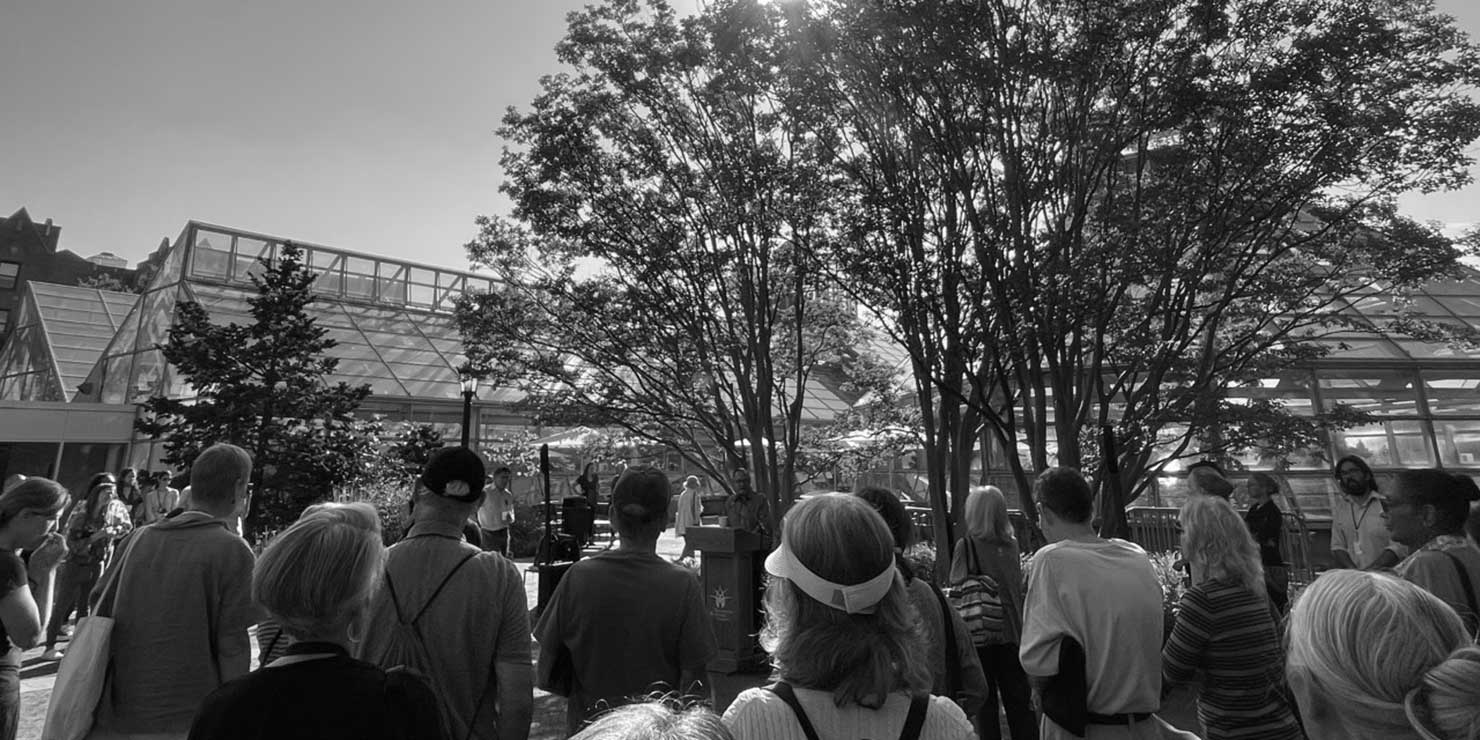
The City Planning Commission unanimously votes to reject the controversial rezoning application for 960 Franklin Avenue, a 34-story tower in Crown Heights that threatened to cast significant new shadows on the Brooklyn Botanic Garden and Jackie Robinson Playground. The decision followed years of research, modeling, and advocacy by MAS about the devastating impacts the development’s shadows would have on these vital spaces.
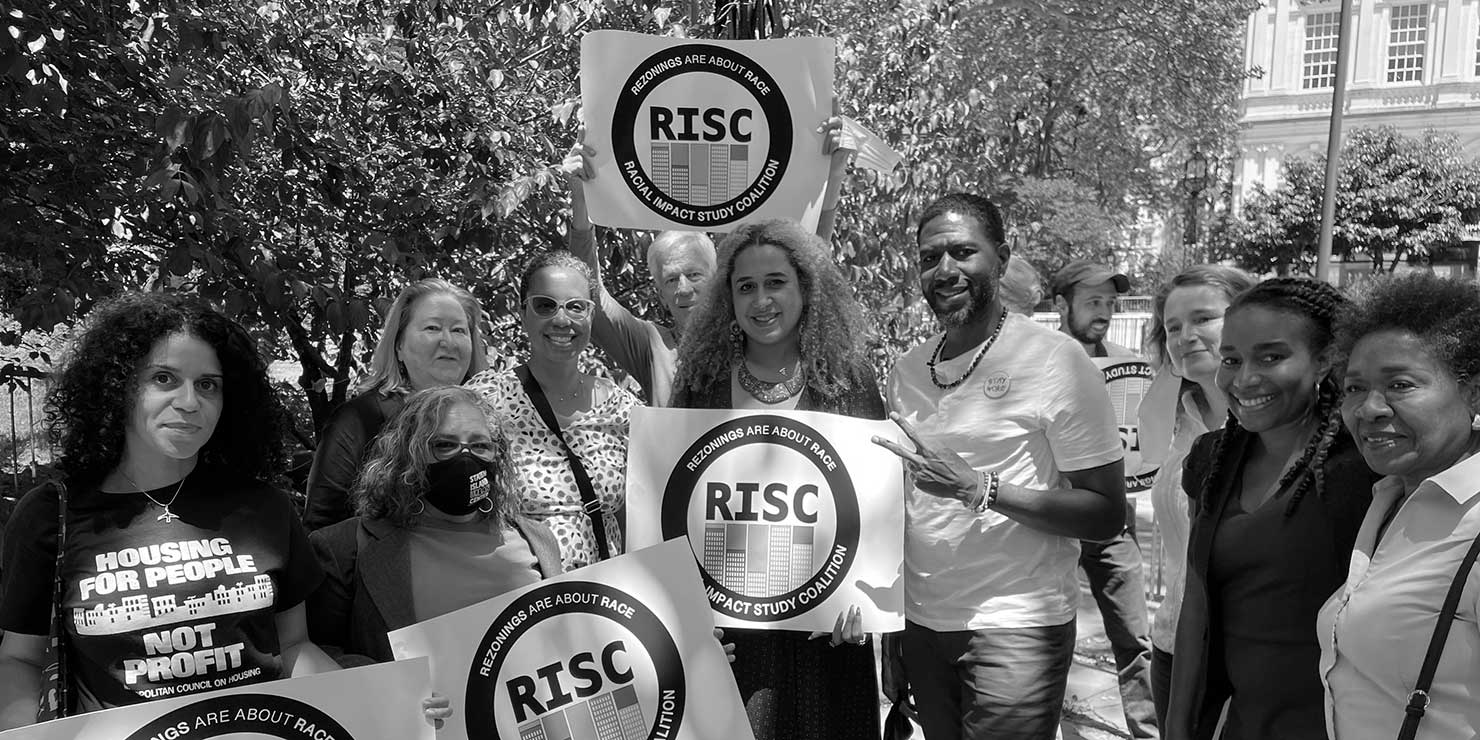
Racial Impact Study Legislation is Passed
Approved by the New York City Council and signed by Mayor Bill de Blasio, Local Law 78 of 2021 requires for the first time that applicants include a Racial Equity Report for most rezonings. The report would be evaluated during ULURP using the Equitable Development Data Explorer, which presents publicly accessible, community-level data on housing production and affordability, demographic conditions, and access to opportunity, as well as a citywide Displacement Risk Index map that evaluates population vulnerabilities, housing conditions, and market pressures. For years MAS advocated for the bill’s passage as a member of the Racial Impact Study Coalition alongside the Public Advocate, Jumaane Williams.
New York City Gets a Chief Public Realm Officer
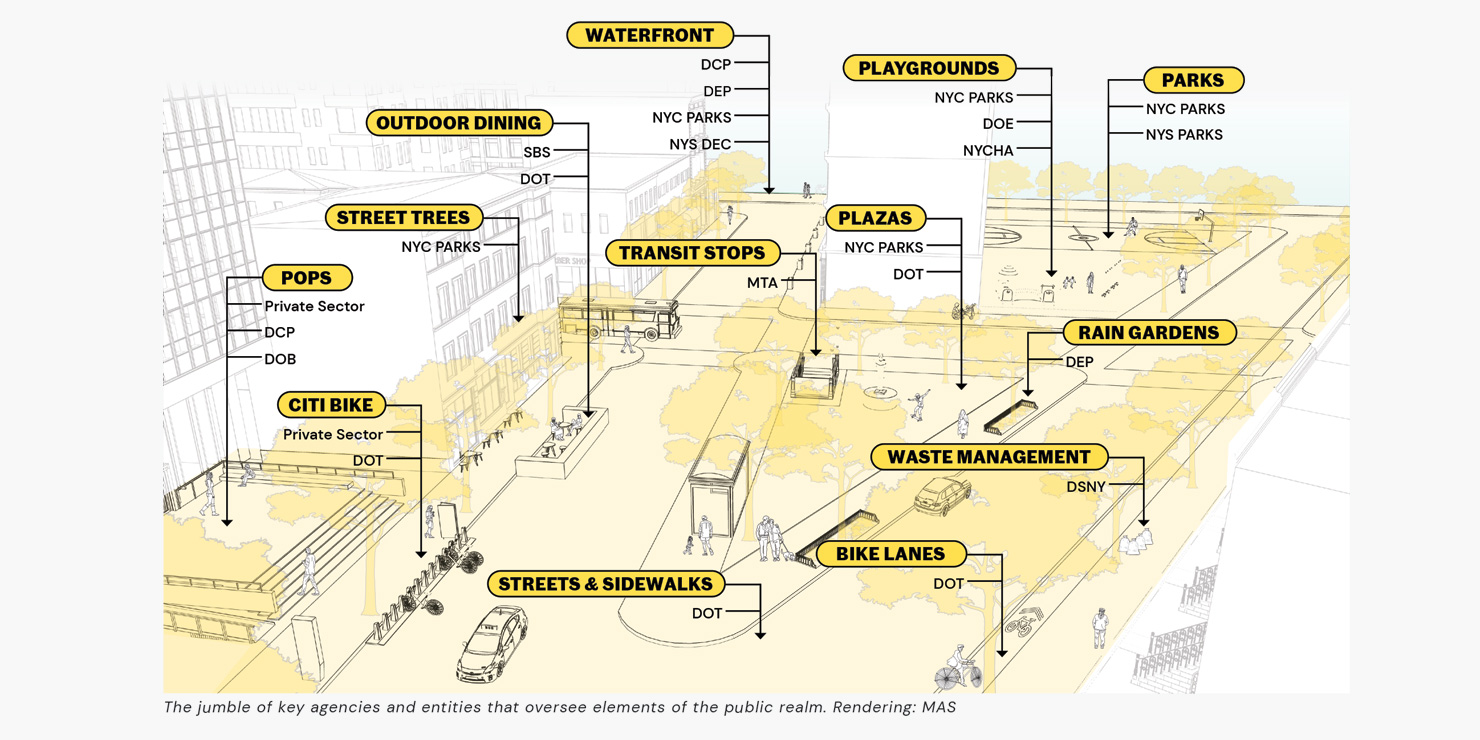
Appointed by Mayor Eric Adams, the Officer is the first such position in the city’s history. The idea for the position originated in MAS’s 2019 Bright Ideas report and was developed and refined in two subsequent MAS reports, A Public Champion for the Public Realm (2020), and A Blueprint for Public Realm Leadership (2022). The appointment is the result of extensive advocacy by MAS as a founding member of the Alliance for Public Space Leadership, a coalition of public space organizations, businesses, conservancies, volunteers, and others that was created in 2022 to ensure equitable public realm solutions and effective management of New York City’s public spaces.

Become a member to enjoy discounts to events and tours.
Learn about membership